THE ADVENTURE COLLECTIVE® · Independent discovery and booking for outdoor travel

Spend a compact 48 hours exploring Jaipur’s crown jewels—Hawa Mahal, Amer Fort, City Palace and hilltop viewpoints—balanced between brisk sightseeing and time to absorb local markets and rooftop views. This short package is ideal for travelers who want curated access to monuments with one comfortable overnight stay.
Spend a compact 48 hours exploring Jaipur’s crown jewels—Hawa Mahal, Amer Fort, City Palace and hilltop viewpoints—balanced between brisk sightseeing and time to absorb local markets and rooftop views. This short package is ideal for travelers who want curated access to monuments with one comfortable overnight stay.
The morning light hits the pink sandstone of Jaipur like a slow reveal—the Hawa Mahal’s latticed windows catching shafts of sun while the Aravalli Hills press a dry green edge against the city.
Verified experiences and guided adventures in the surrounding area.
Operated by All India Travel Agency · Jaipur, Rajasthan
The morning light hits the pink sandstone of Jaipur like a slow reveal—the Hawa Mahal’s latticed windows catching shafts of sun while the Aravalli Hills press a dry green edge against the city.
This 24‑ to 36‑hour loop threads through royal courts and ramparts: a palace façade built for shade, an Amer Fort that channels cool water through marble corridors, Jaigarh’s cannon-guarded escarpments and Nahargarh’s terraces that overlook Jaipur’s grid. Geologically, Jaipur sits on the ancient Aravalli range—low, rocky ridges that shaped settlement and defense here. Culturally the city is Rajput and Mughal in architecture and Rajasthani in temperament: bright turbans, open markets, and a street-level soundtrack of horns and bargaining.
Expect gently paced walking with several stair climbs and cobbled ramps; many sites have uneven floors and carved thresholds to watch. Timing matters: start early at Amer to avoid the mid‑day heat and long queues. Book entry tickets in advance for the Sheesh Mahal if you want to skip waits. Dress conservatively—light layers that cover shoulders and knees work best in temples and palaces. Hydrate often; rooftop cafés offer strategically placed shade and views for rest.
A single overnight stay in a well-located 3★ hotel is enough to absorb the main monuments while leaving pockets of time for bustling bazaars and a sunset from Nahargarh. Bring sturdy shoes, a refillable water bottle, and patience—the city rewards those who move at its pace.
easy.
1–2 days.
Suitable for most fitness levels; involves walking on uneven stone and short climbs—basic mobility required
This package lists admission as included for major sites like Hawa Mahal and Amer Fort—confirm your booking details to verify which tickets are covered.
Some vehicles and public areas are wheelchair accessible, but forts and older palaces have stairs and uneven surfaces that limit access to certain areas.
Expect several hours of walking across two days with short uphill sections and stairs; pace yourself and use viewpoints as rest spots.
Yes—haggling is common in bazaars; start around 30–50% of the asking price and negotiate politely.
Jaipur was founded in 1727 by Maharaja Sawai Jai Singh II and planned on a grid; its forts and palaces reflect Rajput and Mughal influences shaped by the Aravalli terrain.
Heritage sites face wear from heavy visitor numbers; practice leave‑no‑trace, avoid touching delicate frescoes and support local conservation funds when available.
All India Travel Agency operates guided outdoor trips and adventures with an emphasis on safety, stewardship, and memorable experiences.
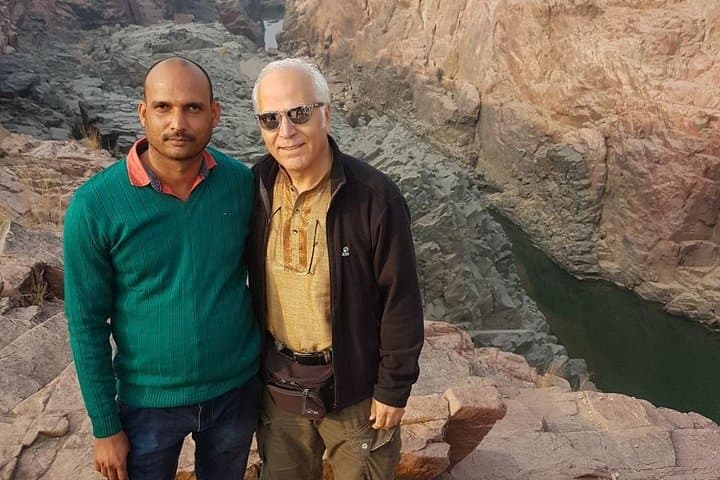

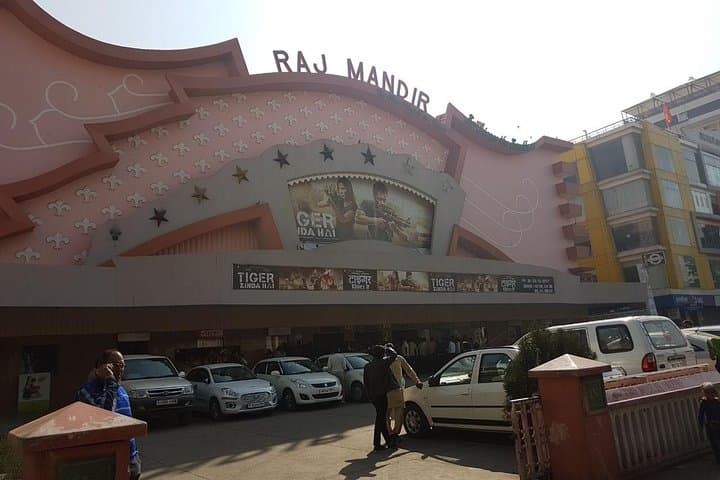

The morning light hits the pink sandstone of Jaipur like a slow reveal—the Hawa Mahal’s latticed windows catching shafts of sun while the Aravalli Hills press a dry green edge against the city.
The morning light hits the pink sandstone of Jaipur like a slow reveal—the Hawa Mahal’s latticed windows catching shafts of sun while the Aravalli Hills press a dry green edge against the city.
This 24‑ to 36‑hour loop threads through royal courts and ramparts: a palace façade built for shade, an Amer Fort that channels cool water through marble corridors, Jaigarh’s cannon-guarded escarpments and Nahargarh’s terraces that overlook Jaipur’s grid. Geologically, Jaipur sits on the ancient Aravalli range—low, rocky ridges that shaped settlement and defense here. Culturally the city is Rajput and Mughal in architecture and Rajasthani in temperament: bright turbans, open markets, and a street-level soundtrack of horns and bargaining.
Expect gently paced walking with several stair climbs and cobbled ramps; many sites have uneven floors and carved thresholds to watch. Timing matters: start early at Amer to avoid the mid‑day heat and long queues. Book entry tickets in advance for the Sheesh Mahal if you want to skip waits. Dress conservatively—light layers that cover shoulders and knees work best in temples and palaces. Hydrate often; rooftop cafés offer strategically placed shade and views for rest.
A single overnight stay in a well-located 3★ hotel is enough to absorb the main monuments while leaving pockets of time for bustling bazaars and a sunset from Nahargarh. Bring sturdy shoes, a refillable water bottle, and patience—the city rewards those who move at its pace.