THE ADVENTURE COLLECTIVE® · Independent discovery and booking for outdoor travel

This full-day trip from Jaipur pairs the dizzy geometry of Chand Baori with the atmospheric ruins of Bhangarh Fort. Expect easy walking, sharp sandstone vistas, and local stories that bring history—and a little mystery—to life.
This full-day trip from Jaipur pairs the dizzy geometry of Chand Baori with the atmospheric ruins of Bhangarh Fort. Expect easy walking, sharp sandstone vistas, and local stories that bring history—and a little mystery—to life.
A morning departure from Jaipur unfolds into ochre desert roads that lead north toward rocky ridgelines; the bus windows frame villages and fields as the air cools. At Abhaneri, the Chand Baori stepwell appears like an inverted ziggurat—thousands of stone steps cutting down into a cool, shadowed well where the light pools in geometric bands. Nearby, the ruined Harshat Mata temple gives context: a civic center for water and worship designed to survive seasonal heat.
Verified experiences and guided adventures in the surrounding area.
Operated by Unseen Tours and Travels · Jaipur, Rajasthan
A morning departure from Jaipur unfolds into ochre desert roads that lead north toward rocky ridgelines; the bus windows frame villages and fields as the air cools. At Abhaneri, the Chand Baori stepwell appears like an inverted ziggurat—thousands of stone steps cutting down into a cool, shadowed well where the light pools in geometric bands. Nearby, the ruined Harshat Mata temple gives context: a civic center for water and worship designed to survive seasonal heat.
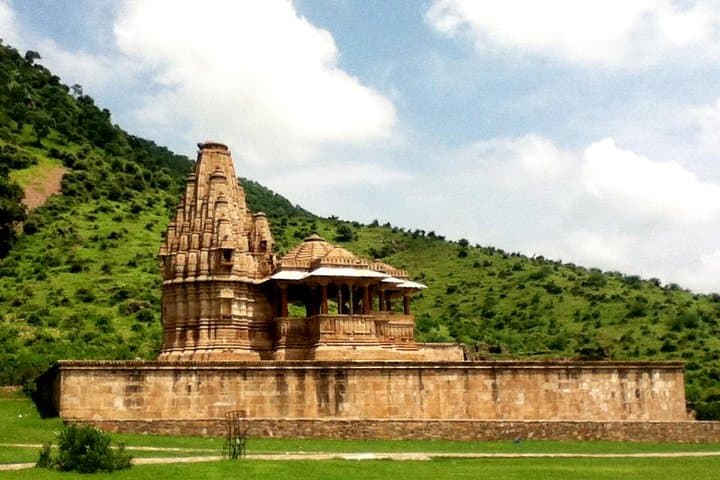
Drive time pushes on toward Bhangarh, where ruins sit at the edge of scrubland and the Sariska reserve. The fort’s sandstone walls rise from stony ground; rooms, temples and gates strain with age. Local history ties the site to 17th-century Rajput dynasties and to oral legends—stories of a curse that keep visitors whispering at the gate. The geology here is small faulted ranges and broken granite outcrops that funnel wind and shade, creating pockets of unexpectedly cool air.
Practically, this is a day of short, mostly flat walks between sites with plenty of stops for photos and shade. Expect uneven stone steps at Chand Baori and loose gravel inside ruins; wear sturdy shoes and bring water. Bhangarh closes after sunset—night visits are prohibited—so plan your timing accordingly. Photography is allowed in most areas but respect conservation signs and restricted zones around fragile carvings. The tour pairs cultural insight with easy walking: a compact, full-day immersion in Rajasthan’s architecture, dry-country ecology, and folklore.
easy.
10 hours.
Light fitness—able to manage short walks (up to 2 hours total) on uneven ground and steps
The round trip is about 3–4 hours of driving total, with roughly 1–1.5 hours each way to Abhaneri and Bhangarh depending on traffic and route.
No—entry to Bhangarh Fort is restricted after sunset for safety and local regulations.
Some packages include monument entry; check your booking option—otherwise you may pay local entrance fees on site.
Yes—walking is short and not strenuous, but supervise children on steps and uneven surfaces.
Chand Baori dates to the 8th–9th century as a functional reservoir and social center; Bhangarh grew as a 17th-century Rajput settlement with layered oral legends about its abandonment.
Both sites are sensitive to erosion and visitor impact—follow posted routes, avoid climbing ruins, and carry out all litter to protect stonework and local ecology.
Unseen Tours and Travels operates guided outdoor trips and adventures with an emphasis on safety, stewardship, and memorable experiences.
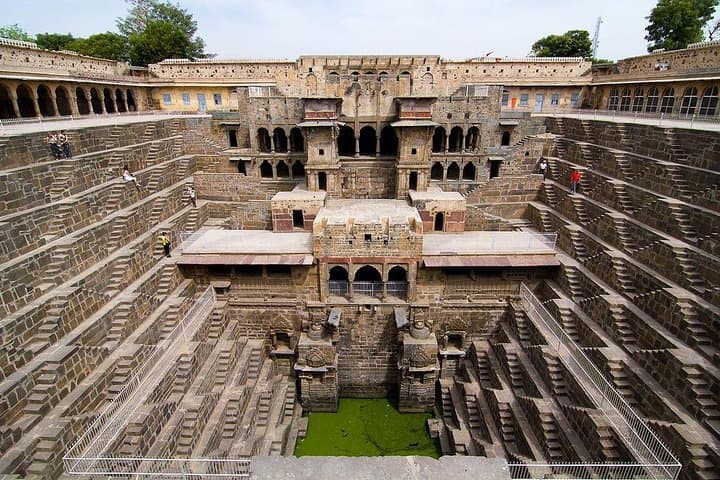
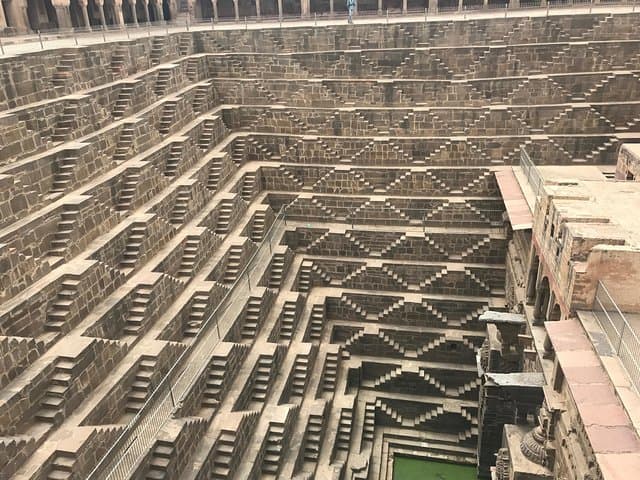
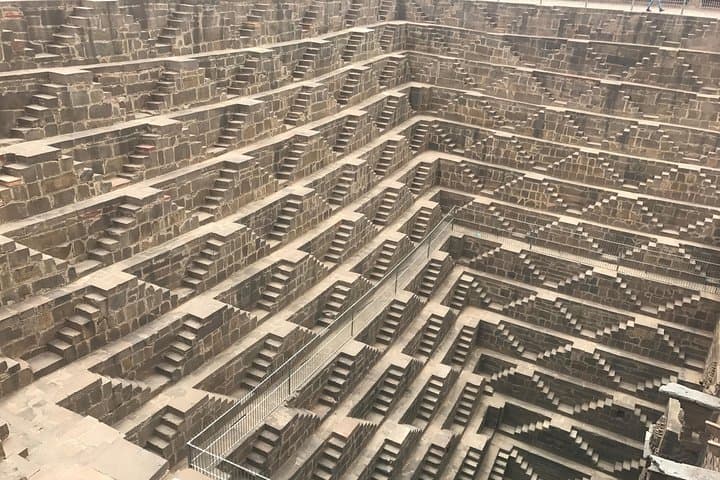
A morning departure from Jaipur unfolds into ochre desert roads that lead north toward rocky ridgelines; the bus windows frame villages and fields as the air cools. At Abhaneri, the Chand Baori stepwell appears like an inverted ziggurat—thousands of stone steps cutting down into a cool, shadowed well where the light pools in geometric bands. Nearby, the ruined Harshat Mata temple gives context: a civic center for water and worship designed to survive seasonal heat.
A morning departure from Jaipur unfolds into ochre desert roads that lead north toward rocky ridgelines; the bus windows frame villages and fields as the air cools. At Abhaneri, the Chand Baori stepwell appears like an inverted ziggurat—thousands of stone steps cutting down into a cool, shadowed well where the light pools in geometric bands. Nearby, the ruined Harshat Mata temple gives context: a civic center for water and worship designed to survive seasonal heat.
Drive time pushes on toward Bhangarh, where ruins sit at the edge of scrubland and the Sariska reserve. The fort’s sandstone walls rise from stony ground; rooms, temples and gates strain with age. Local history ties the site to 17th-century Rajput dynasties and to oral legends—stories of a curse that keep visitors whispering at the gate. The geology here is small faulted ranges and broken granite outcrops that funnel wind and shade, creating pockets of unexpectedly cool air.
Practically, this is a day of short, mostly flat walks between sites with plenty of stops for photos and shade. Expect uneven stone steps at Chand Baori and loose gravel inside ruins; wear sturdy shoes and bring water. Bhangarh closes after sunset—night visits are prohibited—so plan your timing accordingly. Photography is allowed in most areas but respect conservation signs and restricted zones around fragile carvings. The tour pairs cultural insight with easy walking: a compact, full-day immersion in Rajasthan’s architecture, dry-country ecology, and folklore.