THE ADVENTURE COLLECTIVE® · Independent discovery and booking for outdoor travel

Experience Jaipur’s early rhythms on a 2–3 hour private morning tour: e-rickshaw zips, market lanes, temple chants, artisan demos, and a tea break. A compact cultural primer for early risers wanting authentic city life.
Experience Jaipur’s early rhythms on a 2–3 hour private morning tour: e-rickshaw zips, market lanes, temple chants, artisan demos, and a tea break. A compact cultural primer for early risers wanting authentic city life.
Before the sun climbs fully over Jaipur’s sandstone roofs, Jaleb Chowk hums with the soft diesel-free whirr of electric rickshaws and the rustle of early shoppers.
Verified experiences and guided adventures in the surrounding area.
Operated by Vedic Walks Rajasthan · Jaipur, Rajasthan
Before the sun climbs fully over Jaipur’s sandstone roofs, Jaleb Chowk hums with the soft diesel-free whirr of electric rickshaws and the rustle of early shoppers.
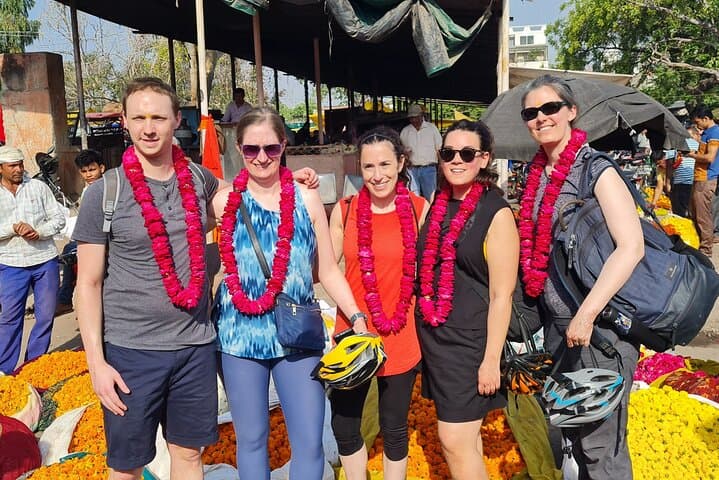
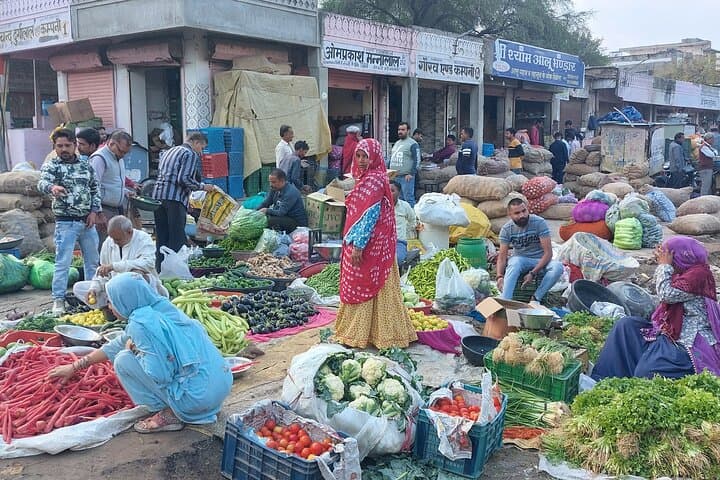
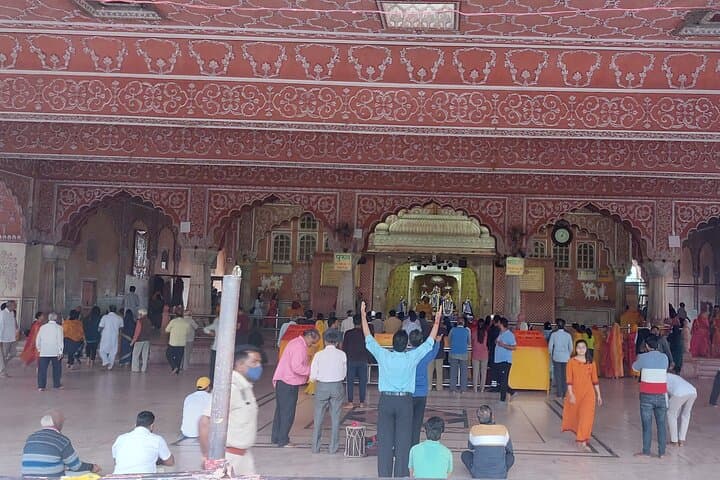
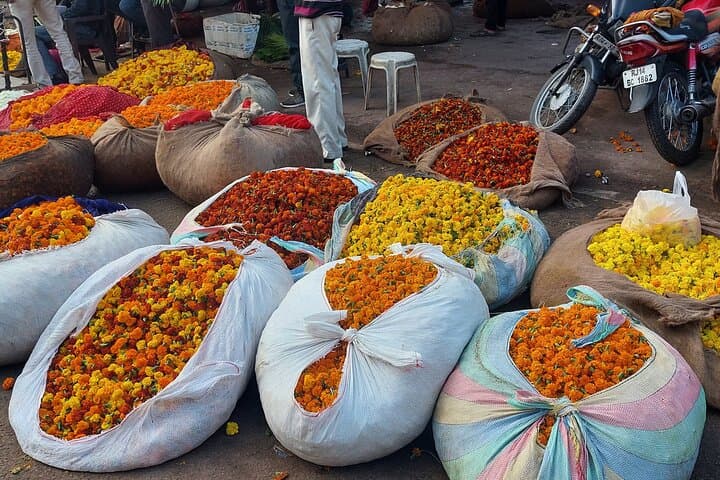
You begin inside the old city where the guide leads you to Govind Dev Ji temple — incense and morning chants shape the air — then slip through a vegetable and flower market where colors and voices compete with the call of vendors. An e-rickshaw zips you past a man-made lake built by a bygone ruler; the water sits like a pale mirror, daring you to slow your pace. The route threads through four-square urban planning laid down by Maharaja Sawai Jai Singh II in 1727, a rare example of planned city design in India, its pink façades receiving a municipal repaint in 1876 to welcome a royal visit.
Geology here is subtle: Jaipur’s built fabric borrows local sandstone and the distant Aravalli foothills shape light and horizon. The tour pauses at artisan workshops — metal beaters and bangle makers — where traditional craft rhythms still set the tempo. A stop at a local sweet shop offers tea and samosa while you learn about Ayurveda’s living presence at a nearby center.
Practical guide: this 2–3 hour private morning tour is low‑impact but involves short walks on uneven lanes and quick e‑rickshaw transfers. Wear closed-toe shoes for cobbled alleys, carry small change for market buys, and respect temple photography rules. Start early to avoid midmorning heat and bring a light layer for pre-dawn cool. The itinerary gives a compact cultural primer — ideal for first-time visitors who want kinetic, human-scale access to Jaipur before the city wakes fully.
easy.
2–3 hours.
Light walking ability; able to stand and walk on uneven surfaces for short stretches
Meet at Jaleb Chowk in the walled city; the private tour runs about 2–3 hours, typically starting at dawn or early morning.
The tour includes a tea/coffee and a local snack like a samosa or kachori, plus a packaged water bottle.
Yes — infants may need to sit on laps during the e-rickshaw portions; notify the operator if you bring children.
Not fully — many narrow lanes, steps, and crowded market areas make wheelchair access difficult; contact the operator for accommodations.
Jaipur was founded in 1727 by Maharaja Sawai Jai Singh II as one of India’s first planned cities, laid out in a grid and later painted pink for a royal visit in 1876.
Support local artisans by buying sensible souvenirs and minimize plastic by using a refillable bottle; respect workshop spaces and avoid disrupting craft processes.
Vedic Walks Rajasthan operates guided outdoor trips and adventures with an emphasis on safety, stewardship, and memorable experiences.
Before the sun climbs fully over Jaipur’s sandstone roofs, Jaleb Chowk hums with the soft diesel-free whirr of electric rickshaws and the rustle of early shoppers.
Before the sun climbs fully over Jaipur’s sandstone roofs, Jaleb Chowk hums with the soft diesel-free whirr of electric rickshaws and the rustle of early shoppers.
You begin inside the old city where the guide leads you to Govind Dev Ji temple — incense and morning chants shape the air — then slip through a vegetable and flower market where colors and voices compete with the call of vendors. An e-rickshaw zips you past a man-made lake built by a bygone ruler; the water sits like a pale mirror, daring you to slow your pace. The route threads through four-square urban planning laid down by Maharaja Sawai Jai Singh II in 1727, a rare example of planned city design in India, its pink façades receiving a municipal repaint in 1876 to welcome a royal visit.
Geology here is subtle: Jaipur’s built fabric borrows local sandstone and the distant Aravalli foothills shape light and horizon. The tour pauses at artisan workshops — metal beaters and bangle makers — where traditional craft rhythms still set the tempo. A stop at a local sweet shop offers tea and samosa while you learn about Ayurveda’s living presence at a nearby center.
Practical guide: this 2–3 hour private morning tour is low‑impact but involves short walks on uneven lanes and quick e‑rickshaw transfers. Wear closed-toe shoes for cobbled alleys, carry small change for market buys, and respect temple photography rules. Start early to avoid midmorning heat and bring a light layer for pre-dawn cool. The itinerary gives a compact cultural primer — ideal for first-time visitors who want kinetic, human-scale access to Jaipur before the city wakes fully.