THE ADVENTURE COLLECTIVE® · Independent discovery and booking for outdoor travel

Walk through centuries of olive culture in the hills outside Jaén and taste extra virgin oils at the Aires de Jaén mill. This two-hour sensory tour combines grove walks, factory insight, and a guided tasting that explains what makes a premium EVOO.
Walk through centuries of olive culture in the hills outside Jaén and taste extra virgin oils at the Aires de Jaén mill. This two-hour sensory tour combines grove walks, factory insight, and a guided tasting that explains what makes a premium EVOO.
Morning light slides across silver-green leaves as wind and sun argue over the slope; the trees seem to lean in and listen. The tour begins in an industrial courtyard that opens into terraces of olive trees, where the scent of crushed leaf and distant earth sets the stage for an edible geography lesson.
Verified experiences and guided adventures in the surrounding area.
Operated by Aires de Jaén · Jaén, Andalusia
Morning light slides across silver-green leaves as wind and sun argue over the slope; the trees seem to lean in and listen. The tour begins in an industrial courtyard that opens into terraces of olive trees, where the scent of crushed leaf and distant earth sets the stage for an edible geography lesson.
Jaén sits at the heart of Spain’s olive country — a landscape shaped by limestone hills, Roman terraces and Andalusian farming traditions that stretch back millennia. Visitors learn how varieties like Picual and Hojiblanca behave in different soils, see the press and bottling line, and watch a reality video about harvest rhythm (note: the live harvest runs October–December). Guides thread cultural context — from Moorish irrigation to modern mill standards — into each tasting, pairing small pours with local bread so flavors land cleanly.
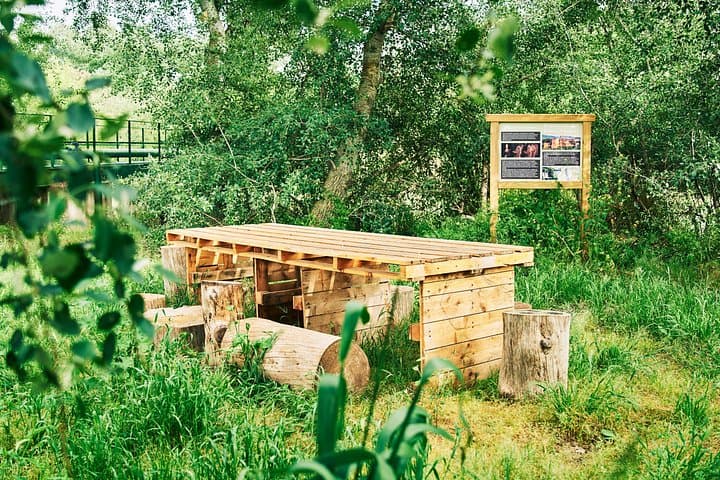
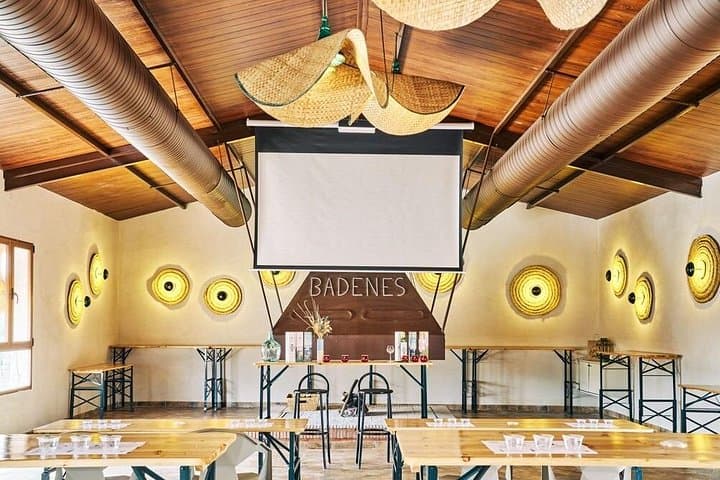
Practically, the two-hour visit balances field time with the production floor and a seated tasting. Paths are compacted dirt and factory floors are level; it’s accessible but expect a short walk in the groves. Taste descriptors are concrete: peppery finish, grassy midpalate, green-fruit acidity — the experience sharpens the senses in sequence: sight, smell, touch, sound and taste. Expect to ask about sustainable pruning, cold extraction, and labeling terms like ‘extra virgin.’
Plan for sun and heat in summer, quieter explanations in shoulder seasons, and busier, more tactile demonstrations during harvest. Bring a reusable water bottle, comfortable shoes, and curiosity — the mill turns a local economy into a concise, sensory story you can bottle and take home.
easy.
2 hours.
Suitable for all fitness levels; involves short, gentle walks on packed dirt.
Yes — the facility reports wheelchair accessibility and level surfaces in the main visitor areas, though some grove paths are compacted dirt and could be uneven.
Yes — the guided tasting covers several premium extra virgin olive oils and explains differences by variety and processing.
Children are welcome; the experience is family-friendly with low physical demand, but tasting portions are geared to adults.
Olive harvest in Jaén typically occurs from October through December; tours outside those months may show a harvest video instead of live pressing.
Jaén’s olive groves have been cultivated since Roman and Moorish times; the province produces the largest share of Spain’s olive oil.
Many mills here emphasize cold-press techniques and integrated pest management, but visitors should respect groves, avoid littering and support producers using sustainable practices.
Aires de Jaén operates guided outdoor trips and adventures with an emphasis on safety, stewardship, and memorable experiences.
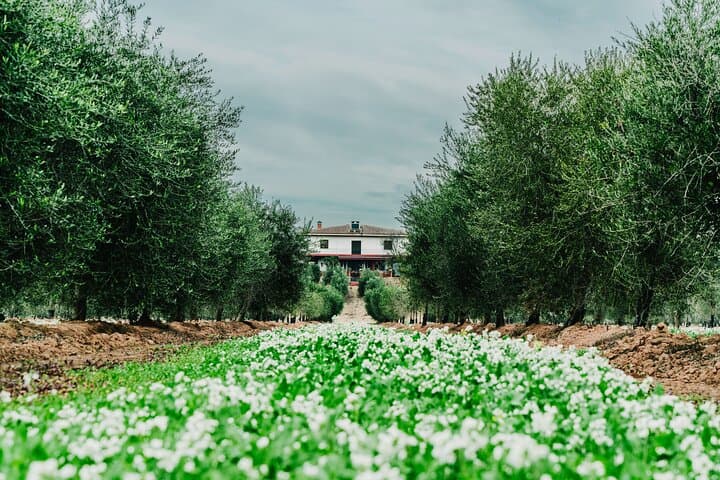
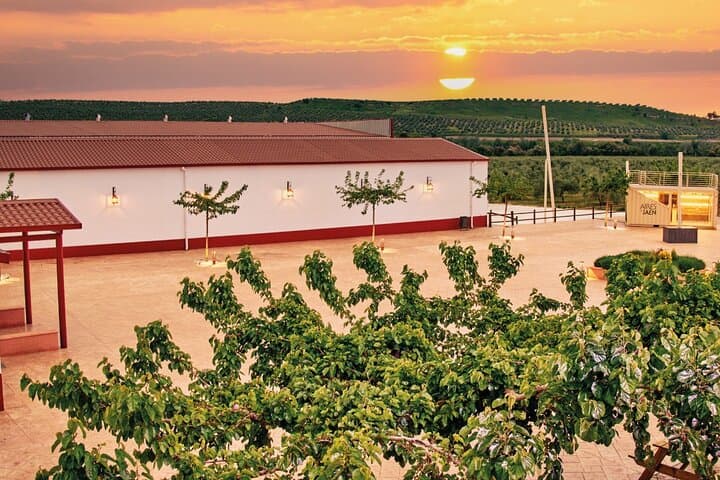
Morning light slides across silver-green leaves as wind and sun argue over the slope; the trees seem to lean in and listen. The tour begins in an industrial courtyard that opens into terraces of olive trees, where the scent of crushed leaf and distant earth sets the stage for an edible geography lesson.
Morning light slides across silver-green leaves as wind and sun argue over the slope; the trees seem to lean in and listen. The tour begins in an industrial courtyard that opens into terraces of olive trees, where the scent of crushed leaf and distant earth sets the stage for an edible geography lesson.
Jaén sits at the heart of Spain’s olive country — a landscape shaped by limestone hills, Roman terraces and Andalusian farming traditions that stretch back millennia. Visitors learn how varieties like Picual and Hojiblanca behave in different soils, see the press and bottling line, and watch a reality video about harvest rhythm (note: the live harvest runs October–December). Guides thread cultural context — from Moorish irrigation to modern mill standards — into each tasting, pairing small pours with local bread so flavors land cleanly.
Practically, the two-hour visit balances field time with the production floor and a seated tasting. Paths are compacted dirt and factory floors are level; it’s accessible but expect a short walk in the groves. Taste descriptors are concrete: peppery finish, grassy midpalate, green-fruit acidity — the experience sharpens the senses in sequence: sight, smell, touch, sound and taste. Expect to ask about sustainable pruning, cold extraction, and labeling terms like ‘extra virgin.’
Plan for sun and heat in summer, quieter explanations in shoulder seasons, and busier, more tactile demonstrations during harvest. Bring a reusable water bottle, comfortable shoes, and curiosity — the mill turns a local economy into a concise, sensory story you can bottle and take home.