THE ADVENTURE COLLECTIVE® · Independent discovery and booking for outdoor travel

Spend a short morning out of Jaco visiting a monkey sanctuary, tasting traditional gallo pinto, and scanning Tarcoles Bridge for American crocodiles. This compact wildlife-and-food tour is a 2–3 hour introduction to Puntarenas’ coastal ecosystems.
Spend a short morning out of Jaco visiting a monkey sanctuary, tasting traditional gallo pinto, and scanning Tarcoles Bridge for American crocodiles. This compact wildlife-and-food tour is a 2–3 hour introduction to Puntarenas’ coastal ecosystems.
Morning light hits the coastal scrub as a minivan pulls away from Jaco toward Puntarenas province. Within 30–40 minutes the landscape shifts from roadside development to low forest and mangrove-lined rivers; here a small monkey sanctuary keeps white-faced capuchins visible and active, darting between branches and calling across the canopy.
Verified experiences and guided adventures in the surrounding area.
Operated by Tours & Travel Jaco Costa Rica · Jaco, Puntarenas
Morning light hits the coastal scrub as a minivan pulls away from Jaco toward Puntarenas province. Within 30–40 minutes the landscape shifts from roadside development to low forest and mangrove-lined rivers; here a small monkey sanctuary keeps white-faced capuchins visible and active, darting between branches and calling across the canopy.
The site grew from local rescue and feeding efforts and sits inside the broader Gulf of Nicoya ecology — a mix of dry forest, riverine wetlands and tidal flats shaped by volcanic soils and Pacific tides. Cultural threads run through the morning: the simple ritual of gallo pinto at a roadside “soda,” coffee brewed strong, and guides who blend natural-history notes with practical caution around wildlife.
From the monkey farm the route follows the Tarcoles River corridor to the famous bridge where American crocodiles haul out on sandbars. The bridge is a reliable vantage: crocodiles range in size and often bask within sight of the road, stirred by tides and fish moving downstream.
Practical guidance: the excursion is short (2–3 hours), low exertion, and suitable for most travelers. Bring sun protection and insect repellent, keep a respectful distance from animals, and follow the guide’s directions — the monkeys move quickly, the crocs do not. Photography is straightforward from trails and viewpoints; avoid feeding wildlife and pack your trash. This morning run is a compact introduction to the region’s wildlife, food culture and coastal geology, ideal for visitors wanting a high-return half-day outing from Jaco.
easy.
2–3 hours.
Minimal fitness required; suitable for most travelers, including families with small children
Yes — the sanctuary allows observation at a respectful distance; follow guide instructions and do not attempt to touch or feed the monkeys.
Often — the Tarcoles Bridge is a reliable spot to view American crocodiles basking on mudbanks, though sightings vary with tide and season.
Yes — a traditional Costa Rican breakfast of gallo pinto with a natural drink or coffee is included in the tour price.
Most operators offer pickup from Jaco hotels; confirm your pickup point when booking and note there’s a two-person minimum for the tour to run.
The Gulf of Nicoya shoreline has long supported fishing and small agricultural communities; local rescue groups developed the monkey site to care for displaced or habituated primates.
Support the sanctuary by following no-feed rules and choosing operators that contribute to local care; avoid single-use plastics and stay on designated paths to protect riparian habitat.
Tours & Travel Jaco Costa Rica operates guided outdoor trips and adventures with an emphasis on safety, stewardship, and memorable experiences.


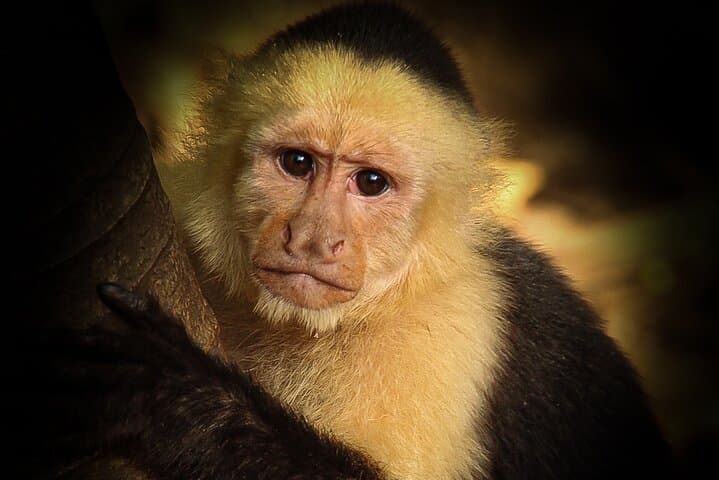
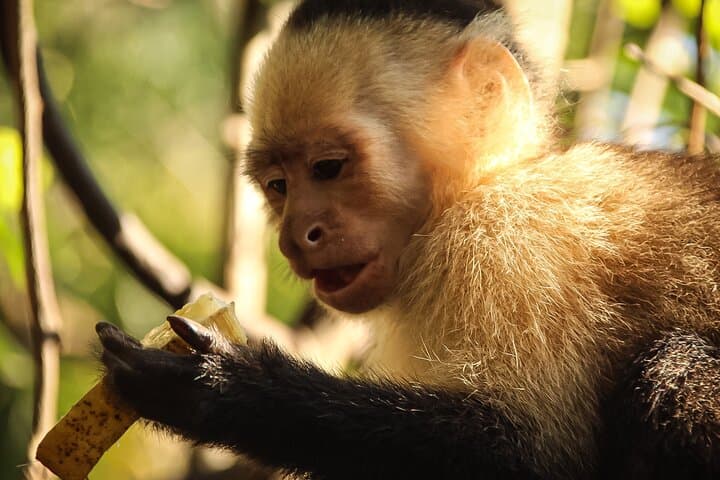
Morning light hits the coastal scrub as a minivan pulls away from Jaco toward Puntarenas province. Within 30–40 minutes the landscape shifts from roadside development to low forest and mangrove-lined rivers; here a small monkey sanctuary keeps white-faced capuchins visible and active, darting between branches and calling across the canopy.
Morning light hits the coastal scrub as a minivan pulls away from Jaco toward Puntarenas province. Within 30–40 minutes the landscape shifts from roadside development to low forest and mangrove-lined rivers; here a small monkey sanctuary keeps white-faced capuchins visible and active, darting between branches and calling across the canopy.
The site grew from local rescue and feeding efforts and sits inside the broader Gulf of Nicoya ecology — a mix of dry forest, riverine wetlands and tidal flats shaped by volcanic soils and Pacific tides. Cultural threads run through the morning: the simple ritual of gallo pinto at a roadside “soda,” coffee brewed strong, and guides who blend natural-history notes with practical caution around wildlife.
From the monkey farm the route follows the Tarcoles River corridor to the famous bridge where American crocodiles haul out on sandbars. The bridge is a reliable vantage: crocodiles range in size and often bask within sight of the road, stirred by tides and fish moving downstream.
Practical guidance: the excursion is short (2–3 hours), low exertion, and suitable for most travelers. Bring sun protection and insect repellent, keep a respectful distance from animals, and follow the guide’s directions — the monkeys move quickly, the crocs do not. Photography is straightforward from trails and viewpoints; avoid feeding wildlife and pack your trash. This morning run is a compact introduction to the region’s wildlife, food culture and coastal geology, ideal for visitors wanting a high-return half-day outing from Jaco.