THE ADVENTURE COLLECTIVE® · Independent discovery and booking for outdoor travel

Short, private boat and mangrove tour from Jaco/Quepos that gets you close to capuchin and howler monkeys in their estuary habitat. Expect accessible transport, knowledgeable guides, and quick, intimate wildlife encounters.
Short, private boat and mangrove tour from Jaco/Quepos that gets you close to capuchin and howler monkeys in their estuary habitat. Expect accessible transport, knowledgeable guides, and quick, intimate wildlife encounters.
You step off an air-conditioned vehicle into the humid, green hush of a mangrove channel; the water smells faintly of salt and mud, and a capuchin’s curious eyes track your movement through the low branches. Boats slide close without disturbing the tangle of roots, and the monkeys—bold, quick, and expressive—move between sunlit perches and shadowed coves as if daring you to keep up.
Verified experiences and guided adventures in the surrounding area.
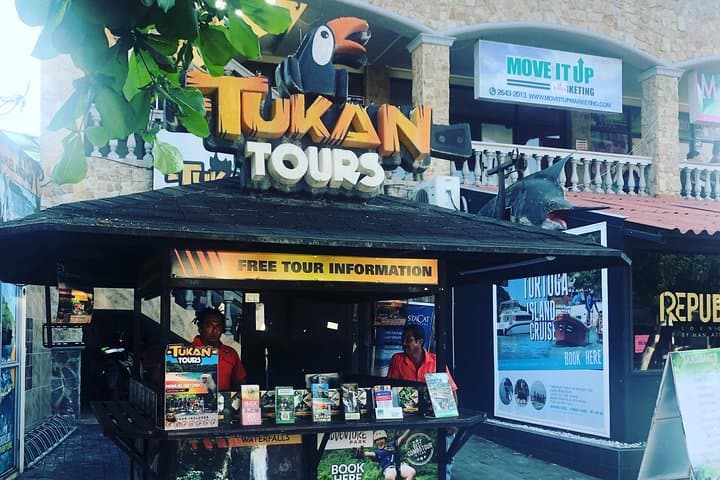
Operated by Tukan tours CR · Quepos, Puntarenas
You step off an air-conditioned vehicle into the humid, green hush of a mangrove channel; the water smells faintly of salt and mud, and a capuchin’s curious eyes track your movement through the low branches. Boats slide close without disturbing the tangle of roots, and the monkeys—bold, quick, and expressive—move between sunlit perches and shadowed coves as if daring you to keep up.
The mangrove corridors around Jaco and Quepos trace a coastal geology of alluvial flats and estuarine inlets carved by rivers that drain the central Pacific slope. Indigenous and colonial histories intersect here: fishing traditions shaped local livelihoods long before tourism arrived, and Manuel Antonio National Park and nearby reserves now protect fragments of that coastal forest.
On a two-hour private tour you should expect close animal encounters from a small boat or riverside vantage, narration from a local guide, and easy boarding thanks to accessible transport. The experience prioritizes brief, observational stops over long treks—this is wildlife watching, not a hike. Cameras and quiet movements yield the best sightings; the guides know which mangrove channels are active with white-faced capuchins and howler monkeys.
Practical tips: plan for midday heat or sudden rain, bring insect repellent and a telephoto or zoom lens, and confirm pickup details for private transport. The tour is suitable for most visitors, including families and those needing mobility accommodations, but remember animals are wild—sightings aren’t guaranteed. Leave no trace, keep a respectful distance, and expect the unexpected when the jungle decides to put on a show.
easy.
2 hours.
Minimal fitness required; passengers should be able to board a small boat and stand briefly for photos.
The tour runs about 2 hours total, including private transport and the mangrove/river viewing portion.
Guides take known active channels to maximize sightings, but wildlife is unpredictable and sightings cannot be guaranteed.
Yes—private, air-conditioned transport with onboard Wi‑Fi is included as part of the tour.
The operator lists wheelchair-accessible transport and surfaces, but check specific boarding assistance needs when booking.
Coastal mangroves supported pre-colonial fishing communities; later, cacao and banana trade shaped settlement patterns in Puntarenas province.
Mangroves are protected for coastal resilience and biodiversity—stay on guided channels and avoid disturbing roots to minimize impact.
Tukan tours CR operates guided outdoor trips and adventures with an emphasis on safety, stewardship, and memorable experiences.
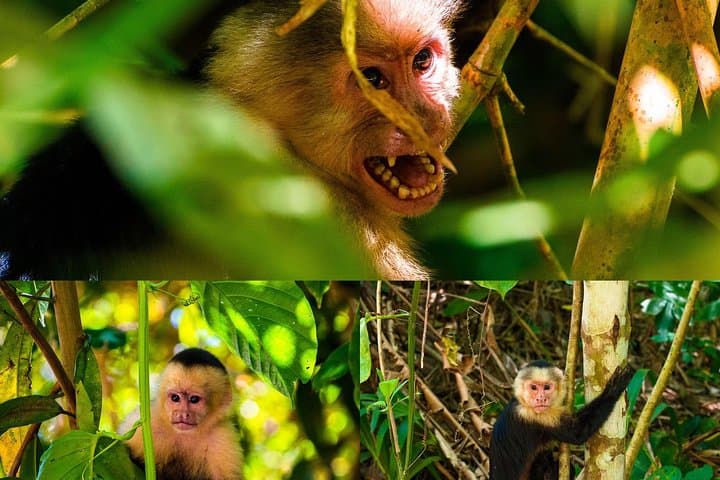
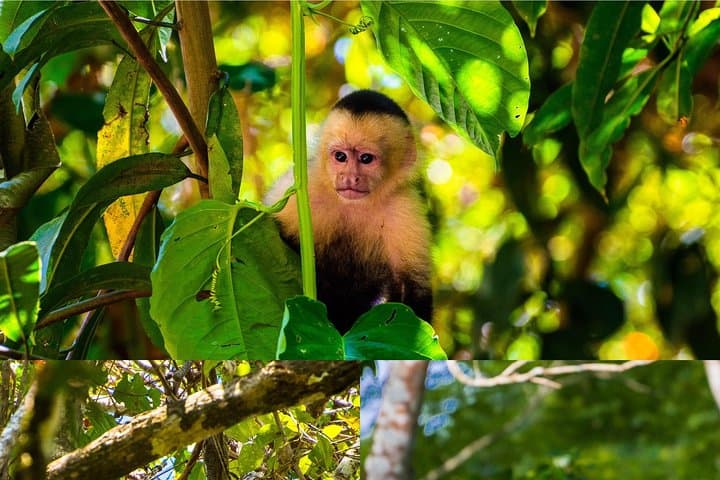
You step off an air-conditioned vehicle into the humid, green hush of a mangrove channel; the water smells faintly of salt and mud, and a capuchin’s curious eyes track your movement through the low branches. Boats slide close without disturbing the tangle of roots, and the monkeys—bold, quick, and expressive—move between sunlit perches and shadowed coves as if daring you to keep up.
You step off an air-conditioned vehicle into the humid, green hush of a mangrove channel; the water smells faintly of salt and mud, and a capuchin’s curious eyes track your movement through the low branches. Boats slide close without disturbing the tangle of roots, and the monkeys—bold, quick, and expressive—move between sunlit perches and shadowed coves as if daring you to keep up.
The mangrove corridors around Jaco and Quepos trace a coastal geology of alluvial flats and estuarine inlets carved by rivers that drain the central Pacific slope. Indigenous and colonial histories intersect here: fishing traditions shaped local livelihoods long before tourism arrived, and Manuel Antonio National Park and nearby reserves now protect fragments of that coastal forest.
On a two-hour private tour you should expect close animal encounters from a small boat or riverside vantage, narration from a local guide, and easy boarding thanks to accessible transport. The experience prioritizes brief, observational stops over long treks—this is wildlife watching, not a hike. Cameras and quiet movements yield the best sightings; the guides know which mangrove channels are active with white-faced capuchins and howler monkeys.
Practical tips: plan for midday heat or sudden rain, bring insect repellent and a telephoto or zoom lens, and confirm pickup details for private transport. The tour is suitable for most visitors, including families and those needing mobility accommodations, but remember animals are wild—sightings aren’t guaranteed. Leave no trace, keep a respectful distance, and expect the unexpected when the jungle decides to put on a show.