THE ADVENTURE COLLECTIVE® · Independent discovery and booking for outdoor travel

Spend a focused morning with a local guide exploring Carara National Park’s edge habitats for scarlet macaws, toucans and motmots. This private, three-hour walk out of Jaco balances easy trails with high species variety—ideal for photographers and beginner birders.
Spend a focused morning with a local guide exploring Carara National Park’s edge habitats for scarlet macaws, toucans and motmots. This private, three-hour walk out of Jaco balances easy trails with high species variety—ideal for photographers and beginner birders.
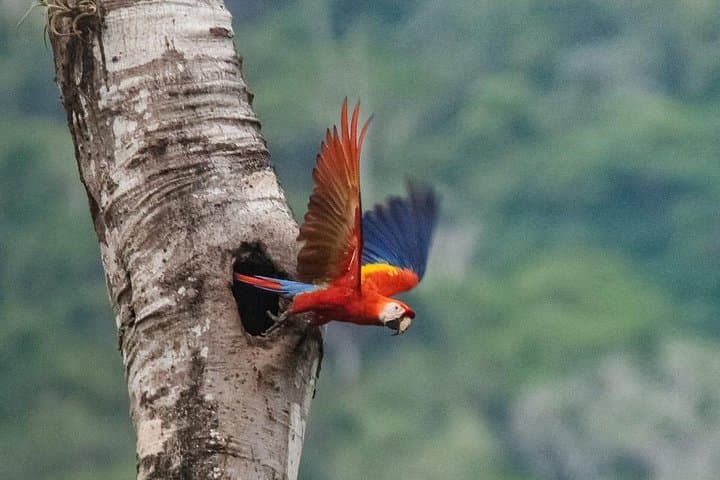
A humid dawn presses against the windshield as Sergio steers away from Jaco’s palm-lined main road toward Carara National Park. The air tastes of salt and wet soil; within minutes the coastal scrub gives way to the dense, lowland forest where toucans chatter and scarlet macaws wheel overhead. The tour moves deliberately—three hours of slow walking on mostly flat, well-maintained trails designed for observation and photography rather than strenuous hiking.
Verified experiences and guided adventures in the surrounding area.
Operated by Sergio Birdwatching · Jaco, Puntarenas
A humid dawn presses against the windshield as Sergio steers away from Jaco’s palm-lined main road toward Carara National Park. The air tastes of salt and wet soil; within minutes the coastal scrub gives way to the dense, lowland forest where toucans chatter and scarlet macaws wheel overhead. The tour moves deliberately—three hours of slow walking on mostly flat, well-maintained trails designed for observation and photography rather than strenuous hiking.
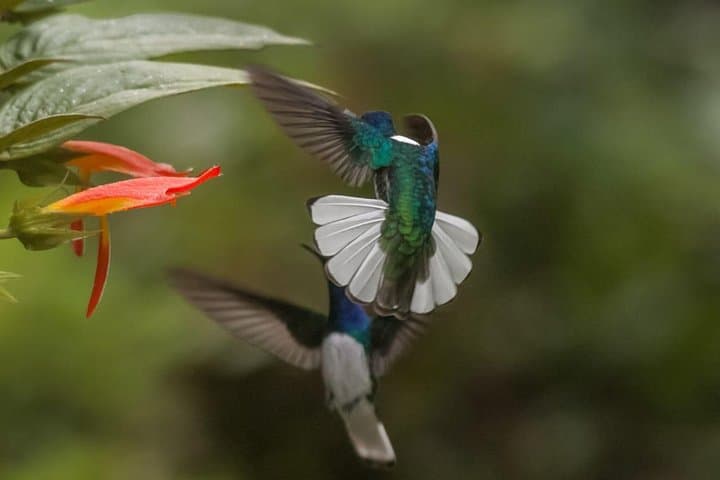
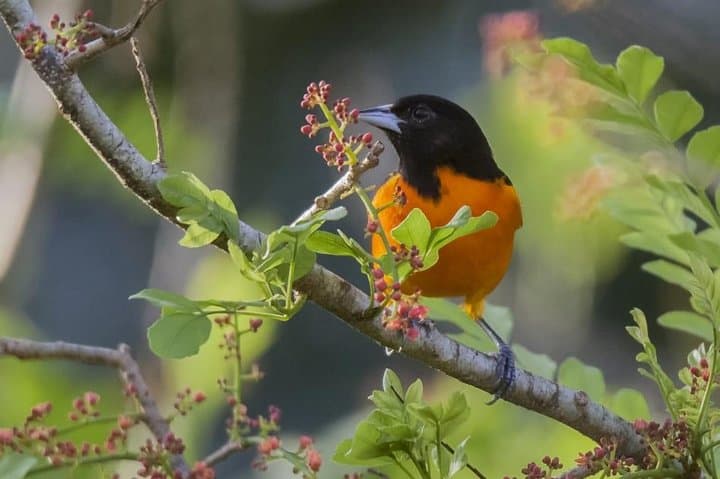
Carara sits at the climatic crossroads between Costa Rica’s drier north and the humid south, a geological fault where river valleys collect rich soils and a mix of dry and wet-forest species coexist. That ecological intersection explains why birdlife here is unusually diverse: you can expect 20–40 species on a good morning, including macaws, motmots, toucans and manakins. Culturally, guide-run operations led by locals like Sergio support community-based tourism—guides often double as natural historians and photographers, passing on local place names and conservation stories.
Practically, the experience is approachable. Trails are short and easy underfoot but shaded and often damp; early starts avoid mid-morning heat and increase sightings. Photographers will want a telephoto lens and a tripod or monopod for stability; birders should bring binoculars and patience. Hydrate before and during the walk, use insect repellent, and keep voices low to avoid flushing birds. Sergio’s small-group, private format also means flexible pacing and targeted search for species of interest.
Whether you’re chasing a perfect macaw shot or learning bird ID, this tour blends accessible trail access with local expertise, making Carara’s tropical edge a compact, high-value birding outing.
easy.
3 hours.
Suitable for all fitness levels; expect slow walking on flat trails for up to three hours
The tour is approximately three hours, typically a morning outing that includes hotel pickup in Jaco and focused time on Carara’s accessible trails.
Carara is known for regular macaw sightings; a good morning and patient, quiet searching with a guide often produces sightings.
No—trails used are generally flat and easy, suitable for guests of various fitness levels; expect some short sections of uneven ground and mud after rain.
Tours may be canceled for heavy rain or unsafe conditions; for this operator, full refunds are available if canceled at least 24 hours beforehand.
Carara protects a transition zone between dry and humid Pacific lowland forests; the reserve was established to conserve this increasingly rare ecological mix and the species it supports.
Support local guides and stick to trails to minimize disturbance; avoid using flash on birds and follow collection rules—photographs only.
Sergio Birdwatching operates guided outdoor trips and adventures with an emphasis on safety, stewardship, and memorable experiences.

A humid dawn presses against the windshield as Sergio steers away from Jaco’s palm-lined main road toward Carara National Park. The air tastes of salt and wet soil; within minutes the coastal scrub gives way to the dense, lowland forest where toucans chatter and scarlet macaws wheel overhead. The tour moves deliberately—three hours of slow walking on mostly flat, well-maintained trails designed for observation and photography rather than strenuous hiking.
A humid dawn presses against the windshield as Sergio steers away from Jaco’s palm-lined main road toward Carara National Park. The air tastes of salt and wet soil; within minutes the coastal scrub gives way to the dense, lowland forest where toucans chatter and scarlet macaws wheel overhead. The tour moves deliberately—three hours of slow walking on mostly flat, well-maintained trails designed for observation and photography rather than strenuous hiking.
Carara sits at the climatic crossroads between Costa Rica’s drier north and the humid south, a geological fault where river valleys collect rich soils and a mix of dry and wet-forest species coexist. That ecological intersection explains why birdlife here is unusually diverse: you can expect 20–40 species on a good morning, including macaws, motmots, toucans and manakins. Culturally, guide-run operations led by locals like Sergio support community-based tourism—guides often double as natural historians and photographers, passing on local place names and conservation stories.
Practically, the experience is approachable. Trails are short and easy underfoot but shaded and often damp; early starts avoid mid-morning heat and increase sightings. Photographers will want a telephoto lens and a tripod or monopod for stability; birders should bring binoculars and patience. Hydrate before and during the walk, use insect repellent, and keep voices low to avoid flushing birds. Sergio’s small-group, private format also means flexible pacing and targeted search for species of interest.
Whether you’re chasing a perfect macaw shot or learning bird ID, this tour blends accessible trail access with local expertise, making Carara’s tropical edge a compact, high-value birding outing.