THE ADVENTURE COLLECTIVE® · Independent discovery and booking for outdoor travel

Spend an afternoon with a local naturalist exploring the Snake River corridor and National Elk Refuge. This four-hour tour focuses on concentrated wildlife viewing—bison, elk, moose, birds of prey and occasional wolves—while providing park entry, guides and binoculars.
Spend an afternoon with a local naturalist exploring the Snake River corridor and National Elk Refuge. This four-hour tour focuses on concentrated wildlife viewing—bison, elk, moose, birds of prey and occasional wolves—while providing park entry, guides and binoculars.
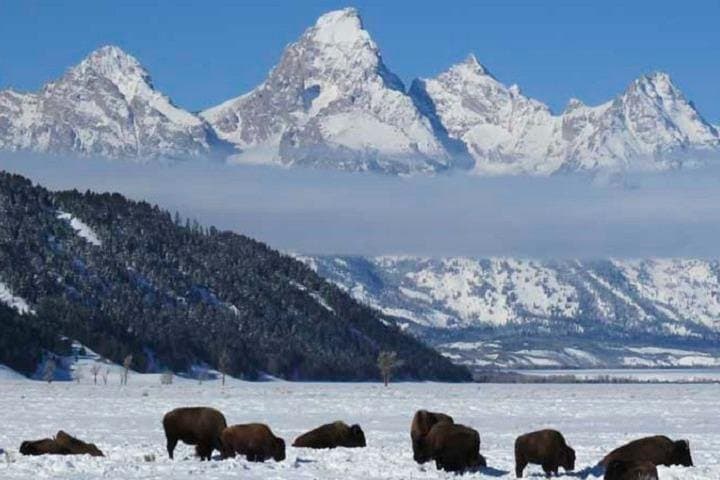
The van eases away from the wooden storefronts of Jackson and the valley exhales — a wash of sage, sun-warmed sagebrush and the hard line of the Tetons rising like a dark, serrated horizon. By 1:00 p.m. a local guide checks binoculars, maps a route along the Snake River corridor and promises four hours of deliberate searching: pullouts, short walks and patient watching where the landscape funnels animals into view.
Verified experiences and guided adventures in the surrounding area.
Operated by Yellowstone Day Tours · Jackson, Wyoming
The van eases away from the wooden storefronts of Jackson and the valley exhales — a wash of sage, sun-warmed sagebrush and the hard line of the Tetons rising like a dark, serrated horizon. By 1:00 p.m. a local guide checks binoculars, maps a route along the Snake River corridor and promises four hours of deliberate searching: pullouts, short walks and patient watching where the landscape funnels animals into view.
This is not high alpine scrambling; it’s reconnaissance across a geologic stage. The jagged peaks of the Teton Range are the exposed backbone of a range uplifted along a fault line 9–13 million years ago, and the surrounding valley — Jackson Hole — is an alluvial bowl where rivers have carved meadows that feed elk, bison and moose. Native tribes, primarily Shoshone peoples, moved seasonally through these lowlands for centuries; settlers arrived in the 19th century and the park was designated a national park in 1929, creating protections that helped wildlife populations rebound.
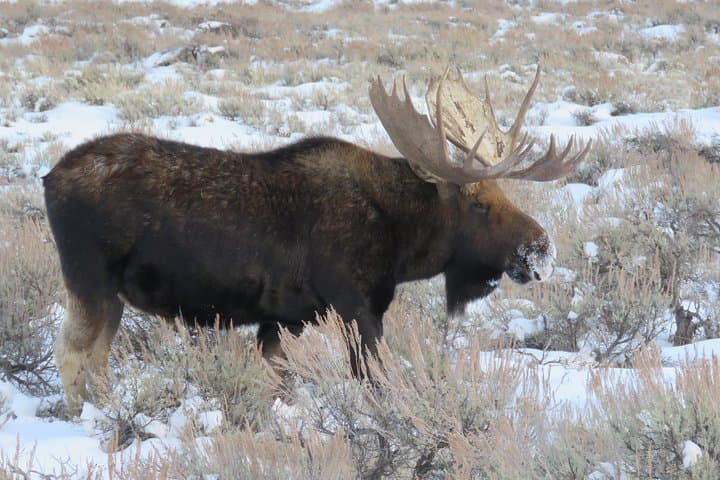
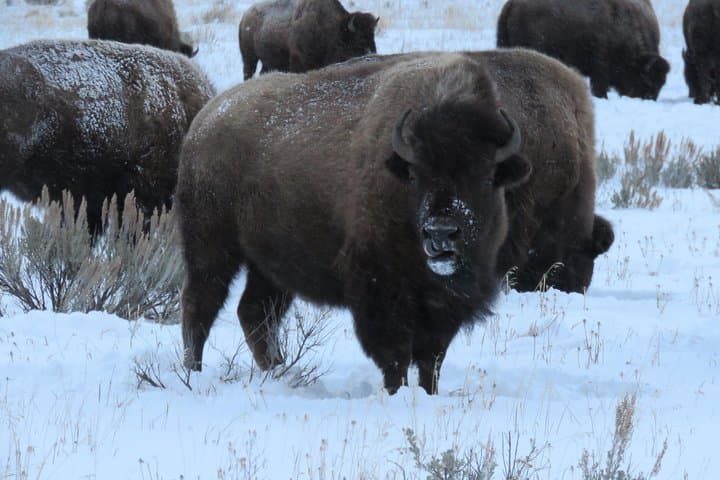
Culturally, the area wears two faces: ranching history that shows in weathered barns on Mormon Row, and modern conservation-driven tourism. Local guides balance both—reading animal behavior from tracks and wind direction, knowing where bison will bed down or where a moose will feed on willow. The National Elk Refuge, a primary stop, is an open plain where elk park at the edges and raptors perch on fence posts like sentinels.
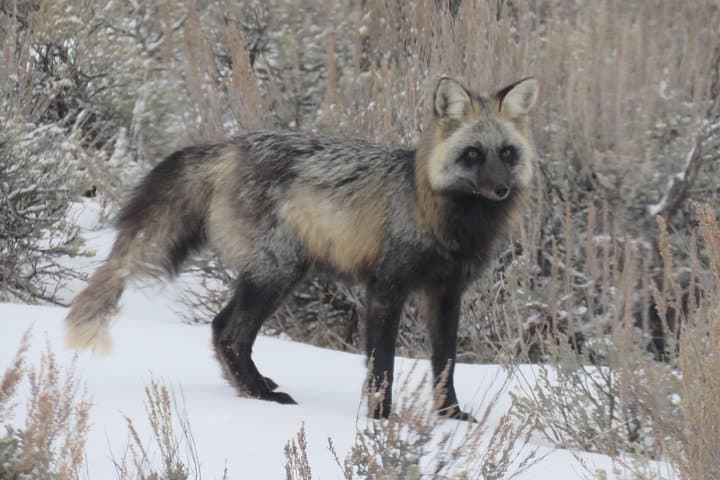
Practically, expect a rolling mix of driving and short, flat walks; trails are easy but terrain can be muddy after rain. The tour includes park entry fees, binoculars and hotel pickup from Jackson or Teton Village, and runs rain or shine. Wildlife sightings are common—bison and elk are almost guaranteed in season; moose, bighorn sheep, coyotes, foxes, eagles and occasionally wolves turn up when conditions are right—but sightings aren’t guaranteed. Guides time the route to avoid midday heat, using late afternoon light to coax animals into view and to give photographers flattering side-light on the peaks.
Preparation is simple but decisive: dress in layers, bring sensible waterproof footwear, and carry a charged camera with at least a 200mm lens if you want tight wildlife shots. Hydrate and arrive five minutes early for pickup; the tour requires a minimum number of participants and will leave on schedule. For first-time visitors, plan additional time in Jackson to visit the National Museum of Wildlife Art or to drive to Snake River Overlook for classic Teton vistas.
This half-day tour is a compact education in big-country wildlife watching — an afternoon where the valley’s rhythms slow, the river dares you to look closer, and the mountains hold their silence as the primary audience.
easy.
4 hours.
Suitable for most fitness levels; involves short, flat walks and long periods of stationary viewing
The tour departs at 1:00 p.m. from Jackson or Teton Village and returns around 5:00 p.m.
Yes—binoculars are supplied, but you’re welcome to bring personal optics for familiar optics and comfort.
No sightings can be guaranteed; however, guides take routes with high probability areas like the National Elk Refuge and Snake River corridor to maximize encounters.
Participants must be at least 6 years old to join the tour.
Gratuities are customary for good service—10–20% of the tour price is typical if you feel the guide enhanced your experience.
The tour requires a minimum of three participants; if it cancels you’ll be offered an alternate date or a full refund.
Grand Teton National Park was established in 1929; the valley has long been seasonally used by Shoshone peoples and later by ranching communities.
Stay on roads and follow guide instructions to reduce stress on animals; the park emphasizes minimizing human-wildlife interactions to protect both visitors and species.
Yellowstone Day Tours operates guided outdoor trips and adventures with an emphasis on safety, stewardship, and memorable experiences.
The van eases away from the wooden storefronts of Jackson and the valley exhales — a wash of sage, sun-warmed sagebrush and the hard line of the Tetons rising like a dark, serrated horizon. By 1:00 p.m. a local guide checks binoculars, maps a route along the Snake River corridor and promises four hours of deliberate searching: pullouts, short walks and patient watching where the landscape funnels animals into view.
The van eases away from the wooden storefronts of Jackson and the valley exhales — a wash of sage, sun-warmed sagebrush and the hard line of the Tetons rising like a dark, serrated horizon. By 1:00 p.m. a local guide checks binoculars, maps a route along the Snake River corridor and promises four hours of deliberate searching: pullouts, short walks and patient watching where the landscape funnels animals into view.
This is not high alpine scrambling; it’s reconnaissance across a geologic stage. The jagged peaks of the Teton Range are the exposed backbone of a range uplifted along a fault line 9–13 million years ago, and the surrounding valley — Jackson Hole — is an alluvial bowl where rivers have carved meadows that feed elk, bison and moose. Native tribes, primarily Shoshone peoples, moved seasonally through these lowlands for centuries; settlers arrived in the 19th century and the park was designated a national park in 1929, creating protections that helped wildlife populations rebound.
Culturally, the area wears two faces: ranching history that shows in weathered barns on Mormon Row, and modern conservation-driven tourism. Local guides balance both—reading animal behavior from tracks and wind direction, knowing where bison will bed down or where a moose will feed on willow. The National Elk Refuge, a primary stop, is an open plain where elk park at the edges and raptors perch on fence posts like sentinels.
Practically, expect a rolling mix of driving and short, flat walks; trails are easy but terrain can be muddy after rain. The tour includes park entry fees, binoculars and hotel pickup from Jackson or Teton Village, and runs rain or shine. Wildlife sightings are common—bison and elk are almost guaranteed in season; moose, bighorn sheep, coyotes, foxes, eagles and occasionally wolves turn up when conditions are right—but sightings aren’t guaranteed. Guides time the route to avoid midday heat, using late afternoon light to coax animals into view and to give photographers flattering side-light on the peaks.
Preparation is simple but decisive: dress in layers, bring sensible waterproof footwear, and carry a charged camera with at least a 200mm lens if you want tight wildlife shots. Hydrate and arrive five minutes early for pickup; the tour requires a minimum number of participants and will leave on schedule. For first-time visitors, plan additional time in Jackson to visit the National Museum of Wildlife Art or to drive to Snake River Overlook for classic Teton vistas.
This half-day tour is a compact education in big-country wildlife watching — an afternoon where the valley’s rhythms slow, the river dares you to look closer, and the mountains hold their silence as the primary audience.