THE ADVENTURE COLLECTIVE® · Independent discovery and booking for outdoor travel

Spend a full winter day in Jackson Hole watching elk by the thousands, riding a horse-drawn sleigh across the National Elk Refuge, and exploring wildlife art at a museum. Expert naturalist guides, optics, and a private vehicle make this an efficient, intimate way to experience Grand Teton’s winter wildlife.
Spend a full winter day in Jackson Hole watching elk by the thousands, riding a horse-drawn sleigh across the National Elk Refuge, and exploring wildlife art at a museum. Expert naturalist guides, optics, and a private vehicle make this an efficient, intimate way to experience Grand Teton’s winter wildlife.
When the valley air is brittle and the Tetons loom pale against morning, a private winter tour moves like a slow, deliberate conversation with the landscape. Guests climb into custom 4x4s with roof hatches, binoculars ready, and roll toward wide sage flats where elk congregate by the thousands on the National Elk Refuge. The guide pauses, voice low, as a bull elk lifts his head and the herd parts — nature taking the spotlight.
Verified experiences and guided adventures in the surrounding area.
Operated by Jackson Hole Eco Tour Adventures · Jackson, Wyoming
When the valley air is brittle and the Tetons loom pale against morning, a private winter tour moves like a slow, deliberate conversation with the landscape. Guests climb into custom 4x4s with roof hatches, binoculars ready, and roll toward wide sage flats where elk congregate by the thousands on the National Elk Refuge. The guide pauses, voice low, as a bull elk lifts his head and the herd parts — nature taking the spotlight.
The route threads Grand Teton’s foothills and the refuge established in 1912 to protect migratory elk. Geology is visible in the sharp, uplifted profiles of the Teton Range — a fault-block ridge that rose relatively recently in geological terms — and in the alluvial fans spilling from its base. Cultural notes surface at the National Museum of Wildlife Art, opened in 1987, where regional wildlife is interpreted through paintings, bronzes, and Rungius works that reflect human relationships with Western fauna.
Expect long stretches of slow, observational driving punctuated by short walks at overlooks, a horse-drawn sleigh approach past elk fields, and an hour or two indoors at the museum. Practicalities matter: winter layers, warm boots, and a good camera telephoto make the day comfortable and productive. Guides provide optics and context, but planning for cold, variable weather and early starts will maximize sightings. This tour pairs field biology, local history, and museum interpretation into an accessible, full-day introduction to Jackson Hole’s winter wildness.
moderate.
8 hours.
Light to moderate fitness—comfortable sitting for several hours with short on-foot segments and sleigh access
Sleigh routes are arranged to allow close viewing while maintaining a safe distance; guides and refuge staff set boundaries to protect wildlife and visitors.
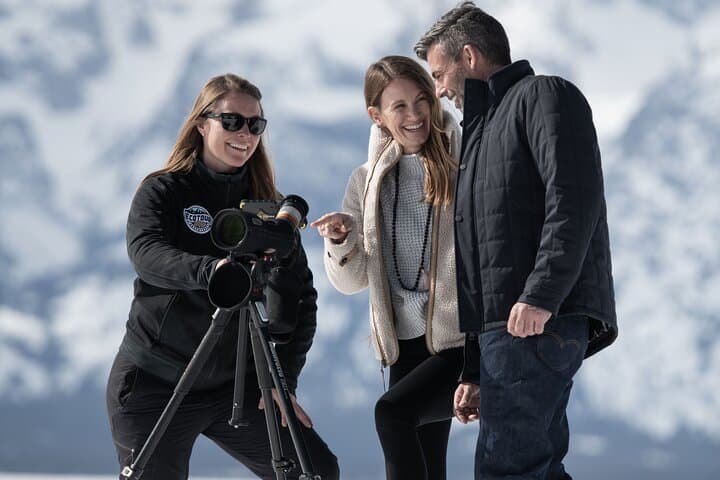
Yes — professional binoculars and spotting scopes are included, though bringing personal optics or a camera is recommended for photos.
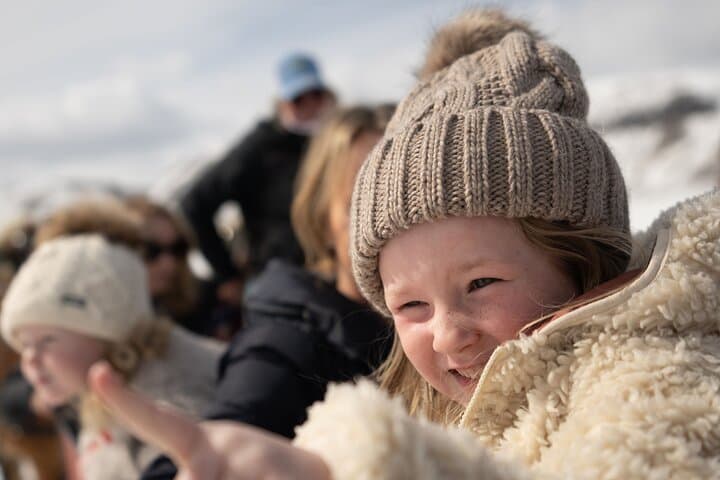
The tour is rated easy physically; vehicles and sleighs accommodate a range of ages, but cold exposure and prolonged sitting should be considered for very young children or those with mobility issues.
Full refunds are typically available if you cancel at least 24 hours before the scheduled departure; check your booking confirmation for specifics.
The National Elk Refuge was created in 1912 to protect wintering elk; the Teton Range is a relatively young fault-block mountain chain whose sharp relief shapes regional ecology.
The refuge uses managed habitat and seasonal visitor guidelines to protect wintering herds; visitors are asked to keep distance and follow guide instructions to minimize disturbance.
Jackson Hole Eco Tour Adventures operates guided outdoor trips and adventures with an emphasis on safety, stewardship, and memorable experiences.
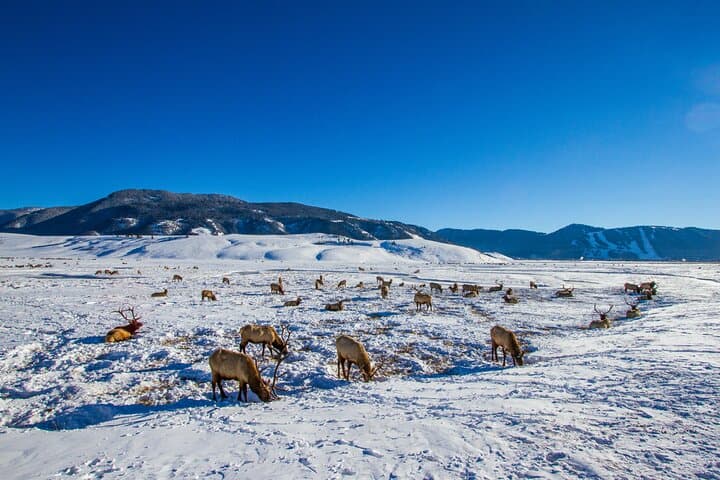
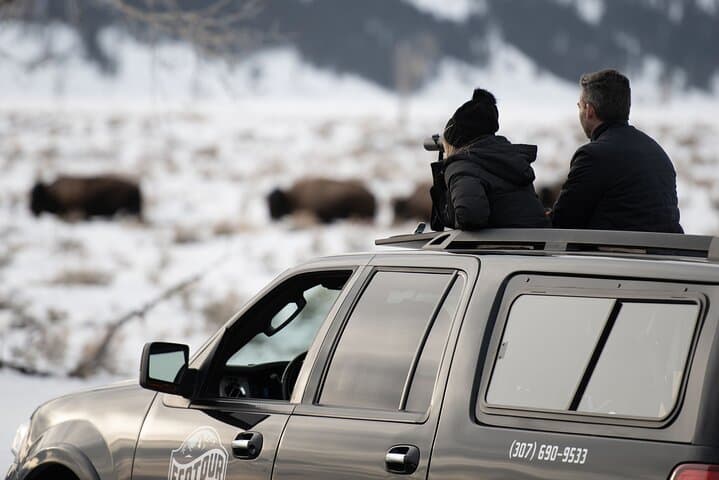
When the valley air is brittle and the Tetons loom pale against morning, a private winter tour moves like a slow, deliberate conversation with the landscape. Guests climb into custom 4x4s with roof hatches, binoculars ready, and roll toward wide sage flats where elk congregate by the thousands on the National Elk Refuge. The guide pauses, voice low, as a bull elk lifts his head and the herd parts — nature taking the spotlight.
When the valley air is brittle and the Tetons loom pale against morning, a private winter tour moves like a slow, deliberate conversation with the landscape. Guests climb into custom 4x4s with roof hatches, binoculars ready, and roll toward wide sage flats where elk congregate by the thousands on the National Elk Refuge. The guide pauses, voice low, as a bull elk lifts his head and the herd parts — nature taking the spotlight.
The route threads Grand Teton’s foothills and the refuge established in 1912 to protect migratory elk. Geology is visible in the sharp, uplifted profiles of the Teton Range — a fault-block ridge that rose relatively recently in geological terms — and in the alluvial fans spilling from its base. Cultural notes surface at the National Museum of Wildlife Art, opened in 1987, where regional wildlife is interpreted through paintings, bronzes, and Rungius works that reflect human relationships with Western fauna.
Expect long stretches of slow, observational driving punctuated by short walks at overlooks, a horse-drawn sleigh approach past elk fields, and an hour or two indoors at the museum. Practicalities matter: winter layers, warm boots, and a good camera telephoto make the day comfortable and productive. Guides provide optics and context, but planning for cold, variable weather and early starts will maximize sightings. This tour pairs field biology, local history, and museum interpretation into an accessible, full-day introduction to Jackson Hole’s winter wildness.