THE ADVENTURE COLLECTIVE® · Independent discovery and booking for outdoor travel

Trace the evidence through Whitechapel’s streets on a focused, daytime walk that examines whether the 1888 murders were the work of a single killer. This two‑hour tour pairs archival data with on‑street investigation at the actual crime sites.
Trace the evidence through Whitechapel’s streets on a focused, daytime walk that examines whether the 1888 murders were the work of a single killer. This two‑hour tour pairs archival data with on‑street investigation at the actual crime sites.
A chill wind threads the narrow lanes east of the City, lifting the scent of fry-up and diesel while the cobbles hold yesterday’s rain. On this two‑hour daytime walk you follow footsteps stamped into London’s Victorian underbelly: courts, lodging houses and the exact site of Mitre Square where the ‘‘Double Event’’ reached its bloodstained climax.
Verified experiences and guided adventures in the surrounding area.
Operated by Sam's Walks · London, England
A chill wind threads the narrow lanes east of the City, lifting the scent of fry-up and diesel while the cobbles hold yesterday’s rain. On this two‑hour daytime walk you follow footsteps stamped into London’s Victorian underbelly: courts, lodging houses and the exact site of Mitre Square where the ‘‘Double Event’’ reached its bloodstained climax.
The tour moves between social history and forensic detail—Victorian poverty, policing limits of 1888, and how newspapers shaped the Ripper mythology. Geology shows in the background: the low Thames marshes and compacted brick earth that made the East End cheap to build on and easy to crowd. Cultural context matters here—the seam of migration, workhouses and lodging houses that created the crowded streets where victims lived and killers moved.
Expect precise, evidence‑led commentary and stops at documented locations: Emma Smith’s attack site, Martha Tabram’s murder scene, Mary Ann Nichols’ last known pub, and Mitre Square. The guide balances archival images and on‑street observation, highlighting how police procedures and forensic limits of the era shaped the mystery.
Practical guidance: the route is urban and flat but uses narrow alleys—comfortable walking shoes and weatherproof layers are recommended. Tours run rain or shine; public transport access is excellent. Photography is allowed but be discreet around memorial plaques and private residences. If you want a sober, analytical reading of the Whitechapel murders rather than sensationalism, this focused daytime tour gives both the evidence and the setting to judge the question: could there have been more than one Ripper?
easy.
2 hours.
Suitable for most fitness levels; requires steady walking and standing for short stops.
Meeting details are provided on booking—typically in the Whitechapel/Aldgate area with public transport access; the route is a loop or short walk between documented sites.
Yes—content deals with historical crimes, so parental discretion is advised for younger children; the physical pace is gentle.
The operator lists wheelchair accessibility; however some narrow alleys and cobbles may be challenging—contact the guide ahead to confirm adaptations.
The guide focuses on evidence, locations and social history rather than sensational gore, but will discuss forensic facts relevant to the case.
Whitechapel in 1888 was a dense mix of lodging houses, cheap tenements and transient labor—conditions that shaped vulnerability and limited policing capacity.
Respect memorials and private property while touring; support local businesses and avoid leaving litter in tight urban spaces.
Sam's Walks operates guided outdoor trips and adventures with an emphasis on safety, stewardship, and memorable experiences.
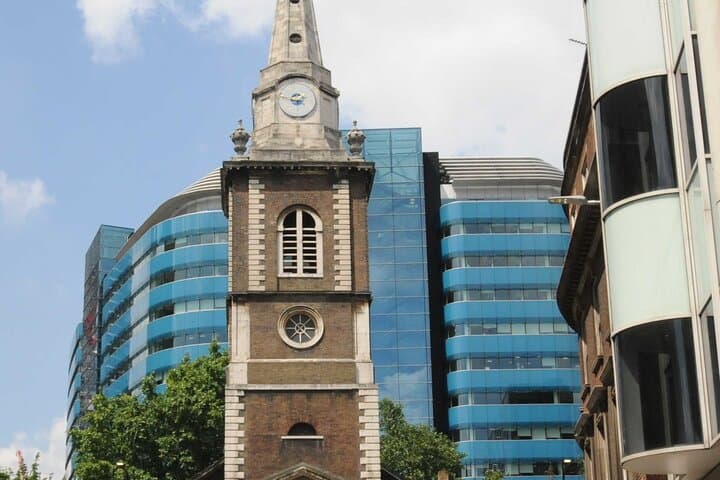
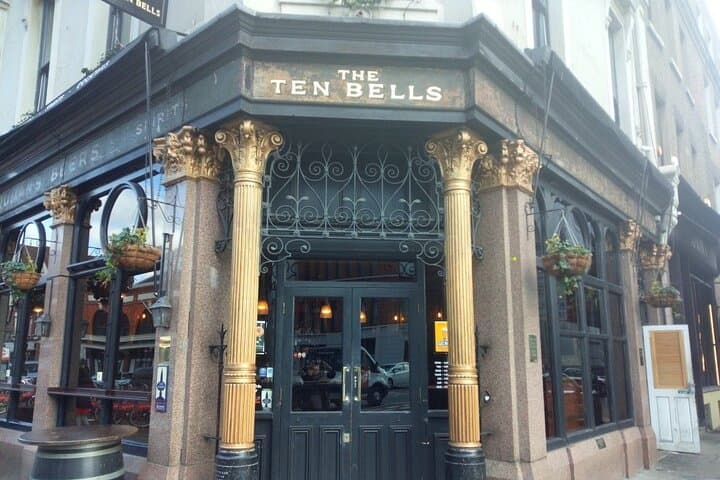
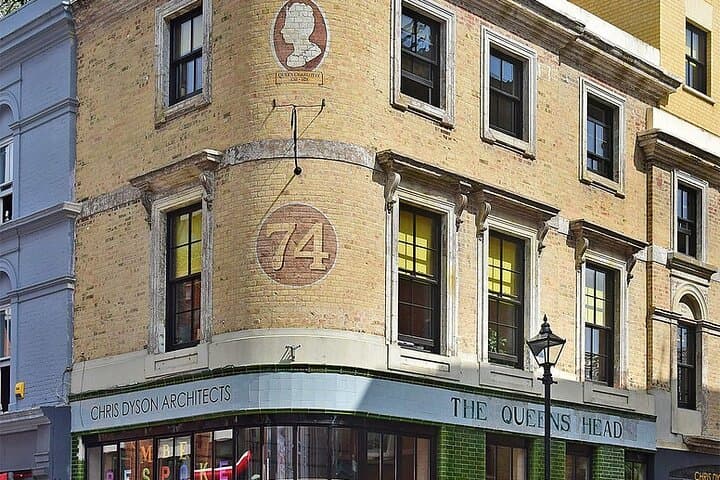
A chill wind threads the narrow lanes east of the City, lifting the scent of fry-up and diesel while the cobbles hold yesterday’s rain. On this two‑hour daytime walk you follow footsteps stamped into London’s Victorian underbelly: courts, lodging houses and the exact site of Mitre Square where the ‘‘Double Event’’ reached its bloodstained climax.
A chill wind threads the narrow lanes east of the City, lifting the scent of fry-up and diesel while the cobbles hold yesterday’s rain. On this two‑hour daytime walk you follow footsteps stamped into London’s Victorian underbelly: courts, lodging houses and the exact site of Mitre Square where the ‘‘Double Event’’ reached its bloodstained climax.
The tour moves between social history and forensic detail—Victorian poverty, policing limits of 1888, and how newspapers shaped the Ripper mythology. Geology shows in the background: the low Thames marshes and compacted brick earth that made the East End cheap to build on and easy to crowd. Cultural context matters here—the seam of migration, workhouses and lodging houses that created the crowded streets where victims lived and killers moved.
Expect precise, evidence‑led commentary and stops at documented locations: Emma Smith’s attack site, Martha Tabram’s murder scene, Mary Ann Nichols’ last known pub, and Mitre Square. The guide balances archival images and on‑street observation, highlighting how police procedures and forensic limits of the era shaped the mystery.
Practical guidance: the route is urban and flat but uses narrow alleys—comfortable walking shoes and weatherproof layers are recommended. Tours run rain or shine; public transport access is excellent. Photography is allowed but be discreet around memorial plaques and private residences. If you want a sober, analytical reading of the Whitechapel murders rather than sensationalism, this focused daytime tour gives both the evidence and the setting to judge the question: could there have been more than one Ripper?