THE ADVENTURE COLLECTIVE® · Independent discovery and booking for outdoor travel

Trace the real stories behind the headlines on a two‑hour walking tour of Whitechapel. Follow an expert guide through crime sites, chapels and pubs to learn about the five women whose lives were lost—and the social conditions that shaped late‑Victorian London.
Trace the real stories behind the headlines on a two‑hour walking tour of Whitechapel. Follow an expert guide through crime sites, chapels and pubs to learn about the five women whose lives were lost—and the social conditions that shaped late‑Victorian London.
Fog clings to cobbles and the gaslight is long gone, but the narrow streets of Whitechapel still hold the cadence of late‑19th century London. Stand where footsteps once hurried past market stalls and factories; listen as a guide names Polly, Annie, Elizabeth, Catherine and Mary Jane and restores biography to headlines.
Verified experiences and guided adventures in the surrounding area.
Operated by See Your City · London, England
Fog clings to cobbles and the gaslight is long gone, but the narrow streets of Whitechapel still hold the cadence of late‑19th century London. Stand where footsteps once hurried past market stalls and factories; listen as a guide names Polly, Annie, Elizabeth, Catherine and Mary Jane and restores biography to headlines.
This walk moves through the heart of the East End—an industrial fringe shaped by Docklands trade, cramped lodging houses and Victorian social policy. Geology is incidental here: reclaimed marsh and river silt gave the area its low, damp ground and dense development. Culturally, Whitechapel was a landing ground for immigrants and seasonal laborers; the Ripper murders exposed how poverty, overcrowding and policing blind spots intersected in the urban landscape.
The tour focuses on historical context as much as crime scenes: you’ll see churches that served sex workers, alleys that once hid lodging houses, and pubs that carried rumors. Guides use contemporary research to separate myth from documentation and emphasize the victims’ lives rather than the legend of violence.
Practical notes: the route is about 1–2 miles over uneven pavement and cobbles; expect two hours standing and walking at a steady but accessible pace. Wear grippy shoes, bring layered weather protection and a charged phone for maps. Public transport connects easily (Aldgate East, Whitechapel), and tours run into the evening—consider earlier slots if you prefer daylight. Be respectful at sites and photographs: these are real places tied to real people.
easy.
2 hours.
Suitable for most fitness levels; involves continuous walking and standing for up to two hours.
Meeting points are usually near Aldgate East or Whitechapel Underground—your booking confirmation lists the exact address and an on‑map pin.
The subject matter is mature and potentially distressing; parents should judge suitability for older teens and review content with the guide if needed.
Yes, but be mindful at sensitive locations and follow any photographer guidance from the guide out of respect for victims and residents.
Full refund available if you cancel at least 24 hours before the scheduled start; check your booking confirmation for specifics.
The Whitechapel murders of 1888 occurred against a backdrop of rapid urbanization and extreme poverty; press coverage and policing practices amplified the case into a public obsession.
Respect for historic sites is critical—avoid touching plaques or markers and support local heritage groups that preserve East End buildings and records.
See Your City operates guided outdoor trips and adventures with an emphasis on safety, stewardship, and memorable experiences.
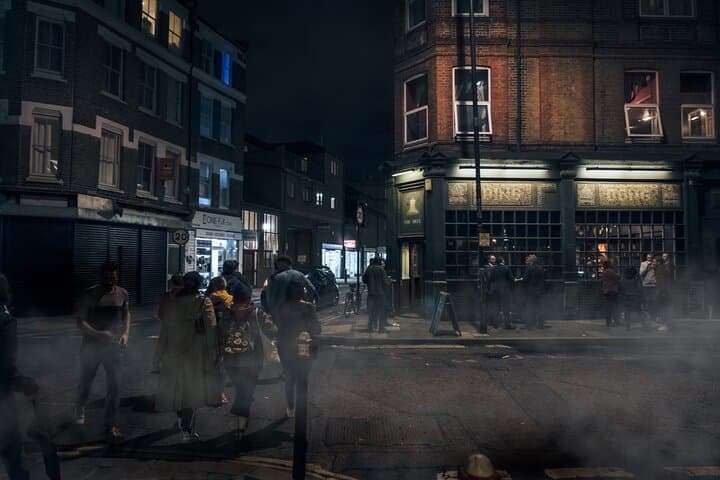
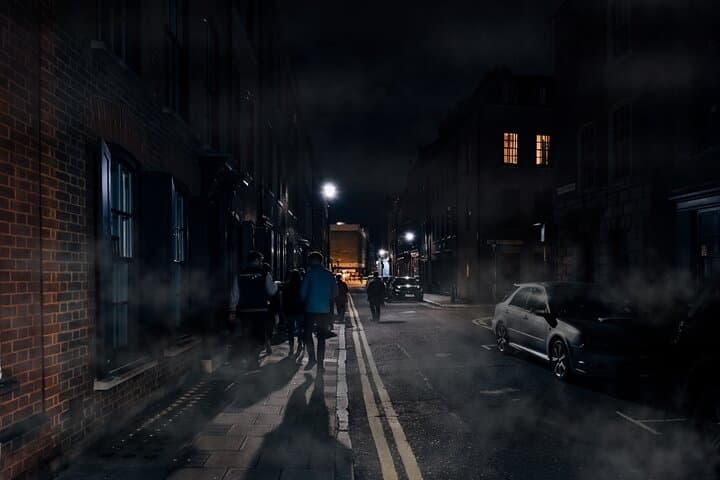
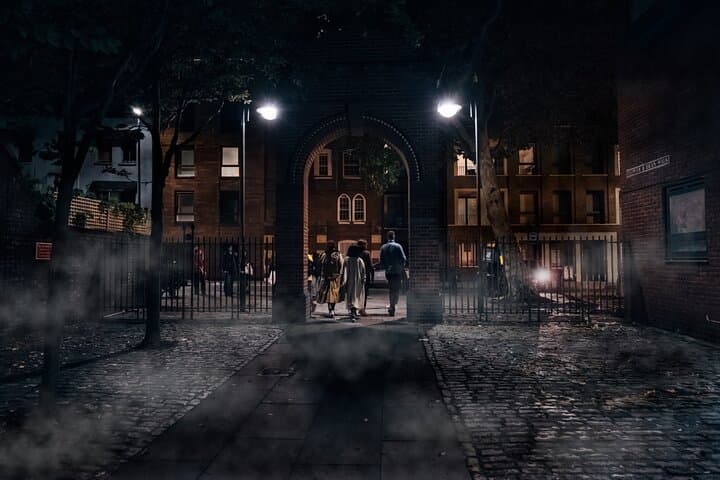
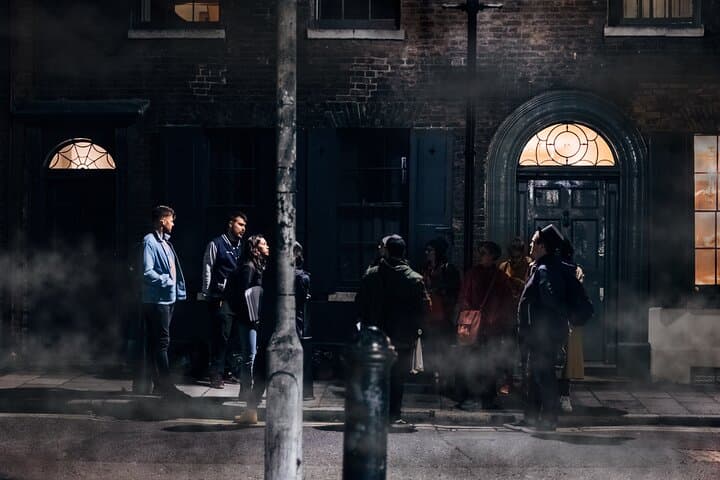
Fog clings to cobbles and the gaslight is long gone, but the narrow streets of Whitechapel still hold the cadence of late‑19th century London. Stand where footsteps once hurried past market stalls and factories; listen as a guide names Polly, Annie, Elizabeth, Catherine and Mary Jane and restores biography to headlines.
Fog clings to cobbles and the gaslight is long gone, but the narrow streets of Whitechapel still hold the cadence of late‑19th century London. Stand where footsteps once hurried past market stalls and factories; listen as a guide names Polly, Annie, Elizabeth, Catherine and Mary Jane and restores biography to headlines.
This walk moves through the heart of the East End—an industrial fringe shaped by Docklands trade, cramped lodging houses and Victorian social policy. Geology is incidental here: reclaimed marsh and river silt gave the area its low, damp ground and dense development. Culturally, Whitechapel was a landing ground for immigrants and seasonal laborers; the Ripper murders exposed how poverty, overcrowding and policing blind spots intersected in the urban landscape.
The tour focuses on historical context as much as crime scenes: you’ll see churches that served sex workers, alleys that once hid lodging houses, and pubs that carried rumors. Guides use contemporary research to separate myth from documentation and emphasize the victims’ lives rather than the legend of violence.
Practical notes: the route is about 1–2 miles over uneven pavement and cobbles; expect two hours standing and walking at a steady but accessible pace. Wear grippy shoes, bring layered weather protection and a charged phone for maps. Public transport connects easily (Aldgate East, Whitechapel), and tours run into the evening—consider earlier slots if you prefer daylight. Be respectful at sites and photographs: these are real places tied to real people.