THE ADVENTURE COLLECTIVE® · Independent discovery and booking for outdoor travel

Walk the streets of Whitechapel with a knowledgeable guide and primary-source material that traces the 1888 murders. This 2–3 hour tour mixes hard facts, neighborhood history, and practical urban routing for a grounded, atmospheric experience.
Walk the streets of Whitechapel with a knowledgeable guide and primary-source material that traces the 1888 murders. This 2–3 hour tour mixes hard facts, neighborhood history, and practical urban routing for a grounded, atmospheric experience.
The lamp-lit alleys of Whitechapel pull you back into a London of soot and gaslight: cobbles slick from drizzle, a cold breath from the Thames pressing at the edge of the streets, and narrow lanes that funnel sound and suspicion. A guide steps forward with photographs and period letters projected onto walls, and the past begins to speak in facts rather than fable.
Verified experiences and guided adventures in the surrounding area.
Operated by Tourope UK · London, Greater London
The lamp-lit alleys of Whitechapel pull you back into a London of soot and gaslight: cobbles slick from drizzle, a cold breath from the Thames pressing at the edge of the streets, and narrow lanes that funnel sound and suspicion. A guide steps forward with photographs and period letters projected onto walls, and the past begins to speak in facts rather than fable.
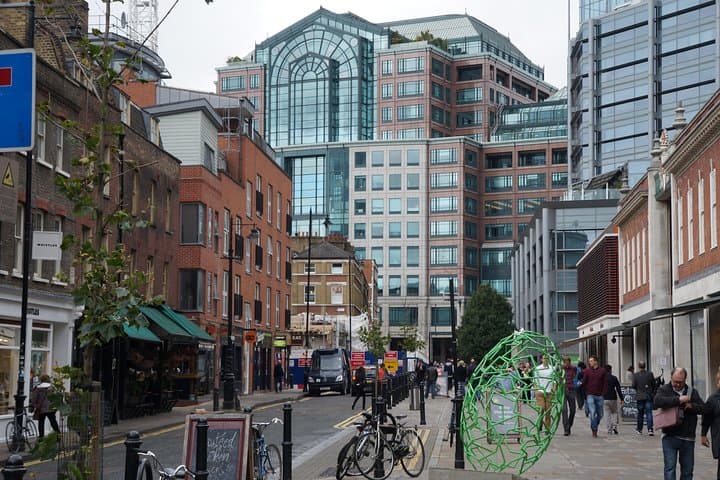
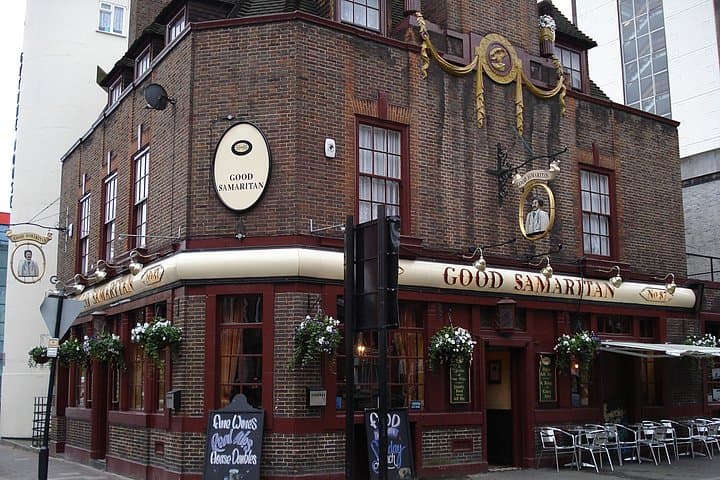
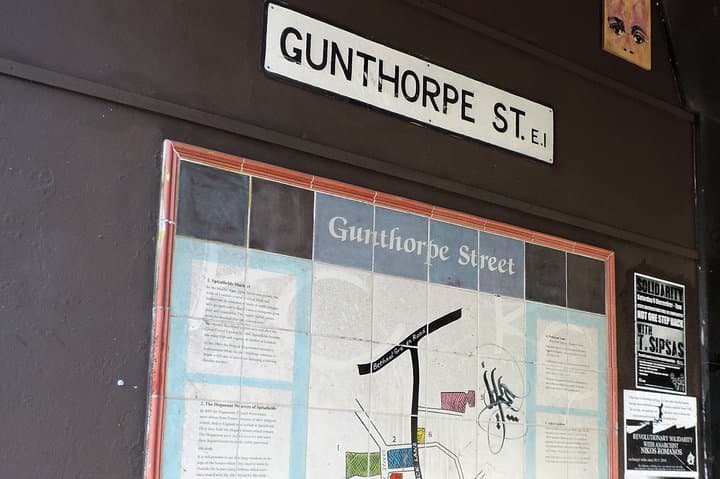
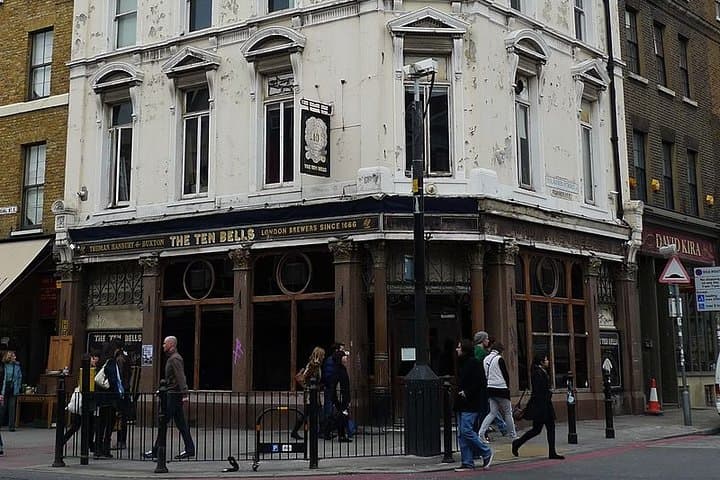
This walking tour threads the sites tied to the 1888 Whitechapel murders — Gunthorpe Street, Brick Lane, The Frying Pan and The Ten Bells — and outlines the social forces that shaped them: rapid urban growth, dense lodging houses, and policing methods still developing in a city built on reclaimed marshland. Geological context matters here; the low-lying, alluvial flats beside the Thames created the cramped medieval street plan that allowed someone to vanish easily into the maze.
Culturally, Whitechapel has evolved from Victorian poverty to a diverse, vibrant neighborhood; the tour points out surviving Victorian architecture, working pubs, and the urban markers left by investigators — including the Goulston Street scrawl that remains a contested clue.
Practical guidance: the route is a 2–3 hour private walking tour on mostly flat, paved surfaces; bring sturdy shoes and a weatherproof layer. Tours often run after dusk for atmosphere; expect close-set streets and occasional steps. The experience handles sensitive material factually — guides emphasize victims’ stories over sensationalism. Public transport meets easily at central Whitechapel points; wheelchair access is advertised, but check with the operator if mobility concerns are significant. Keep your camera ready but keep voices low at memorial sites: historical curiosity pairs best with respectful conduct.
easy.
2–3 hours.
Requires basic mobility to walk on flat but sometimes uneven pavements for up to three hours; suitable for most fitness levels.
The tour covers violent historical crimes and is generally recommended for older teens and adults; check with the operator about age suitability.
Operators advertise wheelchair-accessible options and mostly paved surfaces, but contact the provider in advance to confirm specifics for mobility needs.
Yes, photos are allowed on public streets and at external sites; however, guides may request restraint at memorial spots out of respect.
Tours are led in English and typically use projectors and historic photographs; ask about translation or private-guide accommodations when booking.
Whitechapel in the late 19th century was a densely populated, impoverished district where migration, workhouses and lodging houses concentrated vulnerability — conditions that framed the Ripper murders and the subsequent policing response.
Respectful interpretation matters: avoid treating victims as spectacle, stick to established public routes, and support local businesses rather than trampling fragile heritage sites.
Tourope UK operates guided outdoor trips and adventures with an emphasis on safety, stewardship, and memorable experiences.
The lamp-lit alleys of Whitechapel pull you back into a London of soot and gaslight: cobbles slick from drizzle, a cold breath from the Thames pressing at the edge of the streets, and narrow lanes that funnel sound and suspicion. A guide steps forward with photographs and period letters projected onto walls, and the past begins to speak in facts rather than fable.
The lamp-lit alleys of Whitechapel pull you back into a London of soot and gaslight: cobbles slick from drizzle, a cold breath from the Thames pressing at the edge of the streets, and narrow lanes that funnel sound and suspicion. A guide steps forward with photographs and period letters projected onto walls, and the past begins to speak in facts rather than fable.
This walking tour threads the sites tied to the 1888 Whitechapel murders — Gunthorpe Street, Brick Lane, The Frying Pan and The Ten Bells — and outlines the social forces that shaped them: rapid urban growth, dense lodging houses, and policing methods still developing in a city built on reclaimed marshland. Geological context matters here; the low-lying, alluvial flats beside the Thames created the cramped medieval street plan that allowed someone to vanish easily into the maze.
Culturally, Whitechapel has evolved from Victorian poverty to a diverse, vibrant neighborhood; the tour points out surviving Victorian architecture, working pubs, and the urban markers left by investigators — including the Goulston Street scrawl that remains a contested clue.
Practical guidance: the route is a 2–3 hour private walking tour on mostly flat, paved surfaces; bring sturdy shoes and a weatherproof layer. Tours often run after dusk for atmosphere; expect close-set streets and occasional steps. The experience handles sensitive material factually — guides emphasize victims’ stories over sensationalism. Public transport meets easily at central Whitechapel points; wheelchair access is advertised, but check with the operator if mobility concerns are significant. Keep your camera ready but keep voices low at memorial sites: historical curiosity pairs best with respectful conduct.