THE ADVENTURE COLLECTIVE® · Independent discovery and booking for outdoor travel

Trace the 1888 Whitechapel murders on a focused, small-group walking tour that visits key crime scenes and East End landmarks. The guide uses historical profiles and on‑hand images to reconnect archival evidence to the streets themselves.
Trace the 1888 Whitechapel murders on a focused, small-group walking tour that visits key crime scenes and East End landmarks. The guide uses historical profiles and on‑hand images to reconnect archival evidence to the streets themselves.
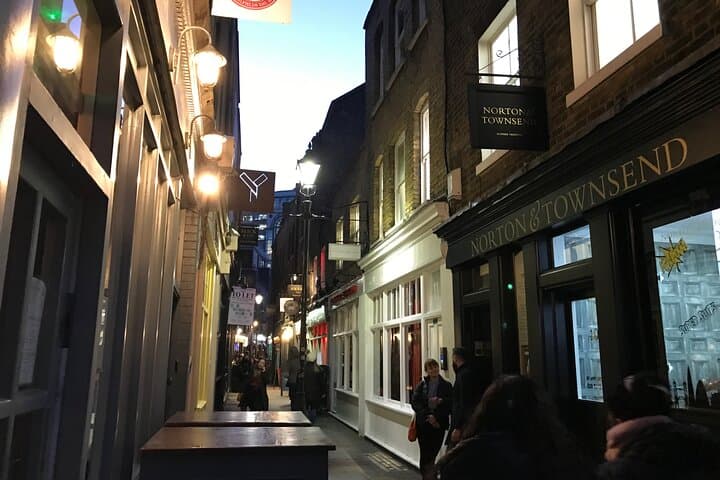
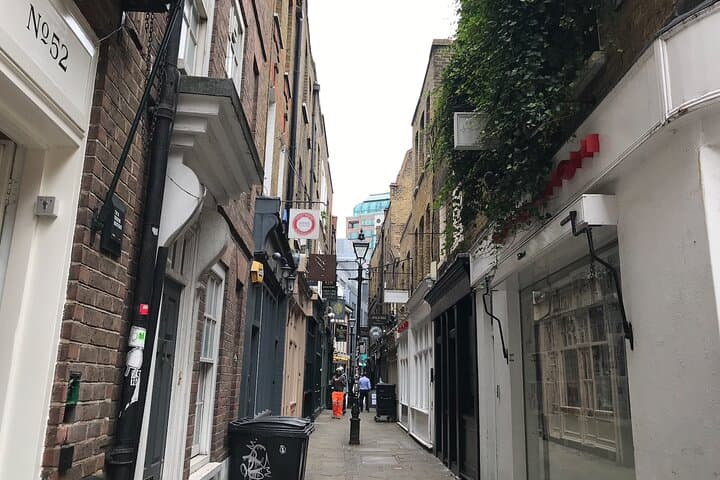
Fog crawls along Whitechapel Road as the guide switches on the radio transmitter and the group tightens its scarves against the chill. You stand opposite the old London Hospital where Emma Smith’s last hours began, then step onto the narrow lanes where gaslight once threw long shadows and a serial killer moved with brutal efficiency.
Verified experiences and guided adventures in the surrounding area.
Operated by Richard Walker · London, England
Fog crawls along Whitechapel Road as the guide switches on the radio transmitter and the group tightens its scarves against the chill. You stand opposite the old London Hospital where Emma Smith’s last hours began, then step onto the narrow lanes where gaslight once threw long shadows and a serial killer moved with brutal efficiency.
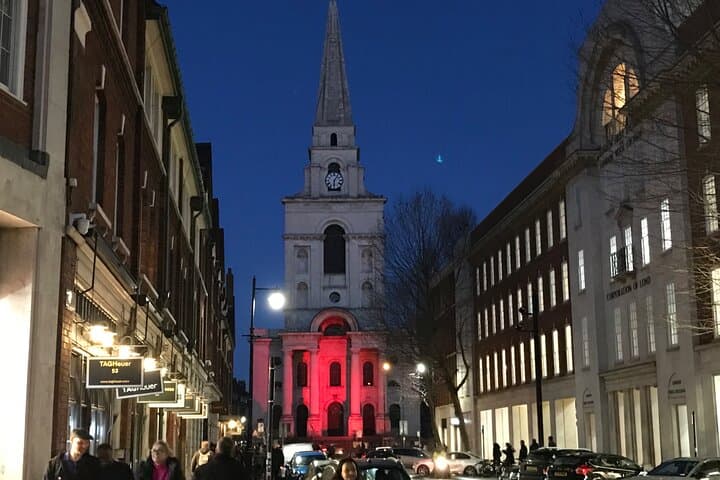
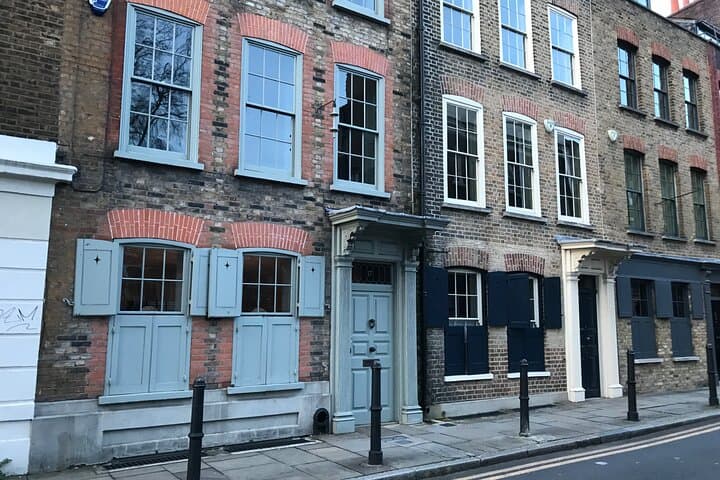
This two-hour walking tour follows the 1888 Whitechapel murders from Buck’s Row to Dorset Street, layering historical detail with investigative context: victims’ lives, working‑class housing, and the policing limits of Victorian London. The guide draws on Scotland Yard’s 2008 geographical profile and FBI profiler John Douglas’s 1988 work to map suspects against the streets and lodging houses that defined the East End. The area’s built fabric—Hawksmoor’s Christchurch Spitalfields, tenement blocks, and the markets of Brick Lane—tells a social and economic story as much as a criminal one.
Expect close-up stops at Buck’s Row, Flower and Dean Street, the Ten Bells pub and Old Spitalfields Market, with images shown on an iPad so the physical evidence lines up with archival photographs. The walk is urban and on paved streets, but some sections are narrow and busy.
Practical notes: wear sturdy walking shoes, bring a waterproof layer, and charge a phone (radio headsets are provided). Tours are limited to small groups—good for questions and a measured pace—but they move steadily and require a moderate level of fitness and steadiness on crowded sidewalks.
moderate.
2–2.5 hours.
Able to stand and walk for up to 2¼ hours on city pavements and occasional uneven cobbles; moderate mobility required
The tour runs about 135 minutes and covers roughly 1.5–2 miles across Whitechapel and Spitalfields with multiple short stops.
Yes—the tour supplies a radio transmitter and earphones so you can hear the guide clearly in busy streets.
The walk requires steady footing and at least moderate fitness; it may not be suitable for very young children or people with significant mobility issues.
Bookings are final—this tour’s policy states all sales are final with no refunds for cancellations.
The walk follows sites tied to the 1888 Whitechapel murders and highlights living conditions, lodging houses and policing limits of Victorian London.
Tours promote historic preservation and respectful visitation—stay on pavements, support local businesses, and avoid disturbing memorials or private property.
Richard Walker operates guided outdoor trips and adventures with an emphasis on safety, stewardship, and memorable experiences.
Fog crawls along Whitechapel Road as the guide switches on the radio transmitter and the group tightens its scarves against the chill. You stand opposite the old London Hospital where Emma Smith’s last hours began, then step onto the narrow lanes where gaslight once threw long shadows and a serial killer moved with brutal efficiency.
Fog crawls along Whitechapel Road as the guide switches on the radio transmitter and the group tightens its scarves against the chill. You stand opposite the old London Hospital where Emma Smith’s last hours began, then step onto the narrow lanes where gaslight once threw long shadows and a serial killer moved with brutal efficiency.
This two-hour walking tour follows the 1888 Whitechapel murders from Buck’s Row to Dorset Street, layering historical detail with investigative context: victims’ lives, working‑class housing, and the policing limits of Victorian London. The guide draws on Scotland Yard’s 2008 geographical profile and FBI profiler John Douglas’s 1988 work to map suspects against the streets and lodging houses that defined the East End. The area’s built fabric—Hawksmoor’s Christchurch Spitalfields, tenement blocks, and the markets of Brick Lane—tells a social and economic story as much as a criminal one.
Expect close-up stops at Buck’s Row, Flower and Dean Street, the Ten Bells pub and Old Spitalfields Market, with images shown on an iPad so the physical evidence lines up with archival photographs. The walk is urban and on paved streets, but some sections are narrow and busy.
Practical notes: wear sturdy walking shoes, bring a waterproof layer, and charge a phone (radio headsets are provided). Tours are limited to small groups—good for questions and a measured pace—but they move steadily and require a moderate level of fitness and steadiness on crowded sidewalks.