THE ADVENTURE COLLECTIVE® · Independent discovery and booking for outdoor travel

Walk the real streets of Whitechapel on a three‑hour evening tour that traces the Jack the Ripper murders. Local guides map crime scenes, social history, and Victorian London detail while inviting you to weigh the evidence.
Walk the real streets of Whitechapel on a three‑hour evening tour that traces the Jack the Ripper murders. Local guides map crime scenes, social history, and Victorian London detail while inviting you to weigh the evidence.
Fog clings low over Whitechapel as footfalls echo on cobbled lanes — the city breathes around you and the streetlamps throw pale halos on brick. This three‑hour evening walk follows the actual routes and sites linked to the Jack the Ripper murders of 1888, retracing where victims were found and the neighborhoods that shaped the case.
Verified experiences and guided adventures in the surrounding area.
Operated by Top Sights Tours Group LLC · London, England
Fog clings low over Whitechapel as footfalls echo on cobbled lanes — the city breathes around you and the streetlamps throw pale halos on brick. This three‑hour evening walk follows the actual routes and sites linked to the Jack the Ripper murders of 1888, retracing where victims were found and the neighborhoods that shaped the case.
Whitechapel sits on London Clay and the urban fabric reflects Victorian industry: narrow alleys, old pubs, and market streets where working‑class life collided with imperial wealth. The tour weaves social history — poverty, policing, and press sensationalism — with forensic details from the period, and even touches on the Royal connections that figure in some theories. Guides who grew up or lived in the East End bring local vocabulary and building‑level knowledge that helps place the crimes in their real urban context.
Expect a mix of paved streets and short alleyways, low lighting, and stops at pubs, lanes, and memorial markers. The narrative balances documented facts with informed interpretation; this is not a ghost walk but a historical reconstruction that invites you to weigh evidence and ask questions.
Practical notes: the route is mostly flat and accessible but relies on public transport and walking at night — bring layers, a compact light, and sensible footwear. Tours run rain or shine; check meeting point details and arrive 10–15 minutes early. Photography is allowed but respect memorial spaces and fellow guests. Whether you come to learn, test a theory, or simply feel the pulse of the East End after dark, the walk lays out history plainly and allows you to form your own verdict.
easy.
3 hours.
Suitable for most fitness levels; requires standing and walking up to 3 hours with short breaks
The tour discusses real violent crimes and is recommended for older teens and adults; operators note it is not for the faint‑hearted.
Meeting point details are provided at booking; arrive 10–15 minutes early to check in and avoid delaying the group.
The provider lists the tour as wheelchair and stroller accessible, though some older paving may be uneven — contact the operator if you have specific mobility needs.
Photography is generally allowed, but guests should avoid flash at sensitive sites and respect memorials and the privacy of residents.
Whitechapel in 1888 was a dense, working‑class district shaped by immigration, dockside labor, and limited policing — conditions that complicated both daily life and criminal investigations.
Many Ripper‑era buildings survive as historic structures; visitors are asked to respect private property and follow guidance to limit wear on plaques and small memorials.
Top Sights Tours Group LLC operates guided outdoor trips and adventures with an emphasis on safety, stewardship, and memorable experiences.
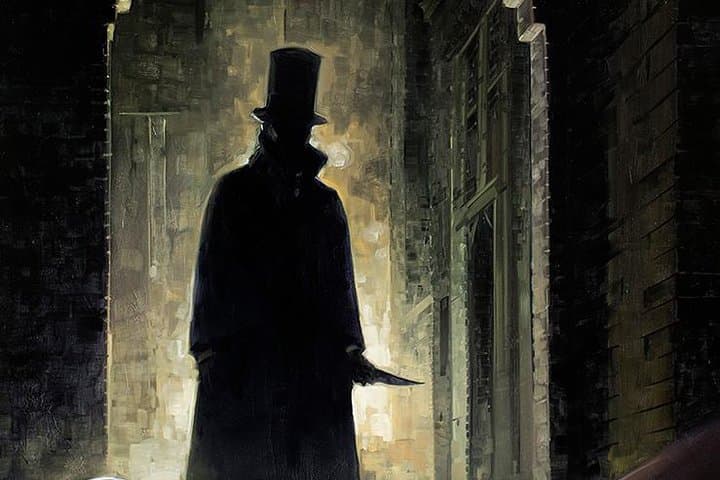
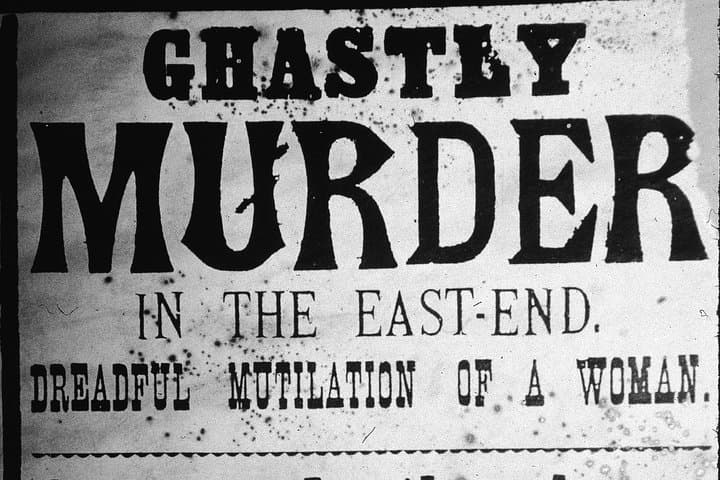
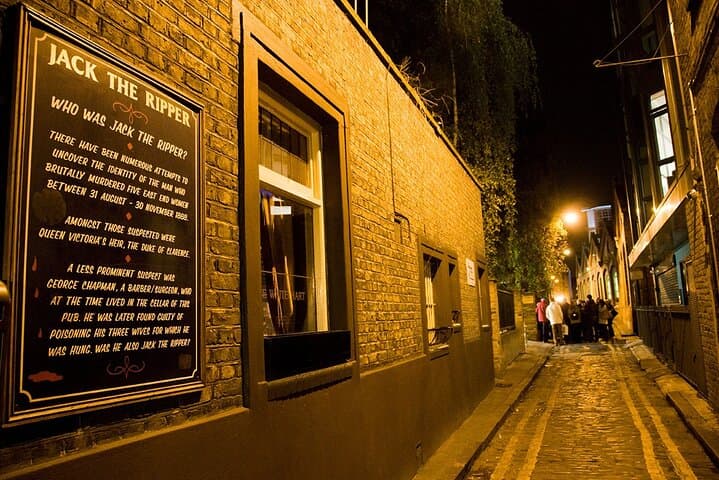
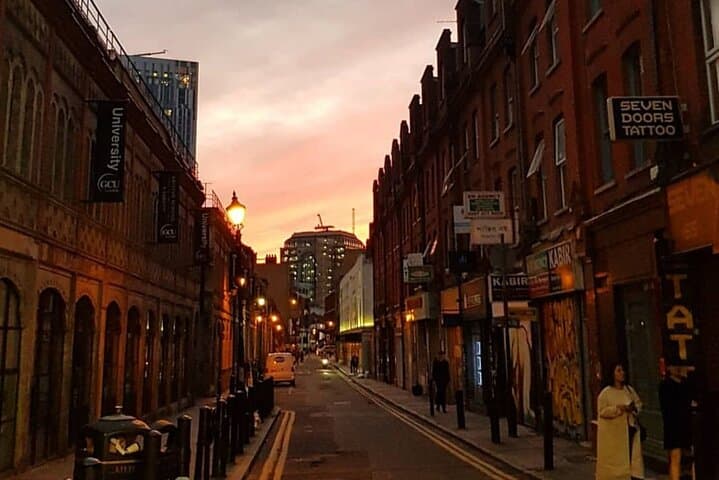
Fog clings low over Whitechapel as footfalls echo on cobbled lanes — the city breathes around you and the streetlamps throw pale halos on brick. This three‑hour evening walk follows the actual routes and sites linked to the Jack the Ripper murders of 1888, retracing where victims were found and the neighborhoods that shaped the case.
Fog clings low over Whitechapel as footfalls echo on cobbled lanes — the city breathes around you and the streetlamps throw pale halos on brick. This three‑hour evening walk follows the actual routes and sites linked to the Jack the Ripper murders of 1888, retracing where victims were found and the neighborhoods that shaped the case.
Whitechapel sits on London Clay and the urban fabric reflects Victorian industry: narrow alleys, old pubs, and market streets where working‑class life collided with imperial wealth. The tour weaves social history — poverty, policing, and press sensationalism — with forensic details from the period, and even touches on the Royal connections that figure in some theories. Guides who grew up or lived in the East End bring local vocabulary and building‑level knowledge that helps place the crimes in their real urban context.
Expect a mix of paved streets and short alleyways, low lighting, and stops at pubs, lanes, and memorial markers. The narrative balances documented facts with informed interpretation; this is not a ghost walk but a historical reconstruction that invites you to weigh evidence and ask questions.
Practical notes: the route is mostly flat and accessible but relies on public transport and walking at night — bring layers, a compact light, and sensible footwear. Tours run rain or shine; check meeting point details and arrive 10–15 minutes early. Photography is allowed but respect memorial spaces and fellow guests. Whether you come to learn, test a theory, or simply feel the pulse of the East End after dark, the walk lays out history plainly and allows you to form your own verdict.