THE ADVENTURE COLLECTIVE® · Independent discovery and booking for outdoor travel

Walk the streets of Whitechapel with an expert guide and retrace the routes tied to the Jack the Ripper case. This compact, two‑hour small‑group tour blends rigorous history with on‑the‑ground context in the heart of East London.
Walk the streets of Whitechapel with an expert guide and retrace the routes tied to the Jack the Ripper case. This compact, two‑hour small‑group tour blends rigorous history with on‑the‑ground context in the heart of East London.
A late‑day fog curls off the Thames as you step from Commercial Street into the narrow veins of Whitechapel. Streetlamps throw long shadows across uneven cobbles; the Ten Bells pub sits at a corner where stories begin and stop. The guide’s voice cuts through the hush, factual and unsparing, mapping route and rumor as you move between alleys that once echoed with carriage wheels and dockworkers’ calls.
Verified experiences and guided adventures in the surrounding area.
Operated by London By Night - Christmas Lights · London, England
A late‑day fog curls off the Thames as you step from Commercial Street into the narrow veins of Whitechapel. Streetlamps throw long shadows across uneven cobbles; the Ten Bells pub sits at a corner where stories begin and stop. The guide’s voice cuts through the hush, factual and unsparing, mapping route and rumor as you move between alleys that once echoed with carriage wheels and dockworkers’ calls.
East London in 1888 was shaped by rapid industrial growth, a crowded dockland economy, and Victorian policing that struggled to keep pace. The tour traces the geography of that era—poor housing squeezed into former marshland near the river, backstreets carved through reclaimed ground—and explains how social conditions and urban layout fed both crime and legend. You’ll learn about investigators, suspects, and the victims whose lives provide the real frame for the case.
Beyond the headlines, Whitechapel’s character is layered: Georgian churches, market stalls, and street art that reflect waves of immigration and working‑class resilience. The River Thames still dares you from the south, its pull evident in the district’s gritty tempo.
Practically: the walk covers about 1.5–2 miles over uneven pavement and lasts roughly two hours. Expect standing, short stair sections, and close‑quarters streets; the provider keeps groups small (max 12) for atmosphere and conversation. Bring sturdy shoes, a waterproof layer, and an open mind—this is history that asks for respect as much as curiosity.
easy.
2 hours.
Suitable for most fitness levels; requires standing and walking 1.5–2 miles over uneven urban surfaces.
The tour covers graphic historical crimes and is best for older teens and adults; check with the operator if unsure.
Some parts of Whitechapel have uneven pavements and narrow passages; the operator lists wheelchair accessibility—contact them to confirm accommodations.
Yes—photography is allowed, but be respectful at sites tied to victims and private properties.
The meeting point is near Ten Bells on Commercial Street; arrive by Tube (Aldgate East or Whitechapel), bus, or on foot from Liverpool Street station.
The murders of 1888 occurred amid overcrowded housing, dockside poverty, and limited social services—conditions that shaped police work and public reaction in Victorian London.
Respect the neighborhood: follow local waste rules, stick to public paths, and support small businesses; historic alleys are fragile and benefit from considerate visitation.
London By Night - Christmas Lights operates guided outdoor trips and adventures with an emphasis on safety, stewardship, and memorable experiences.
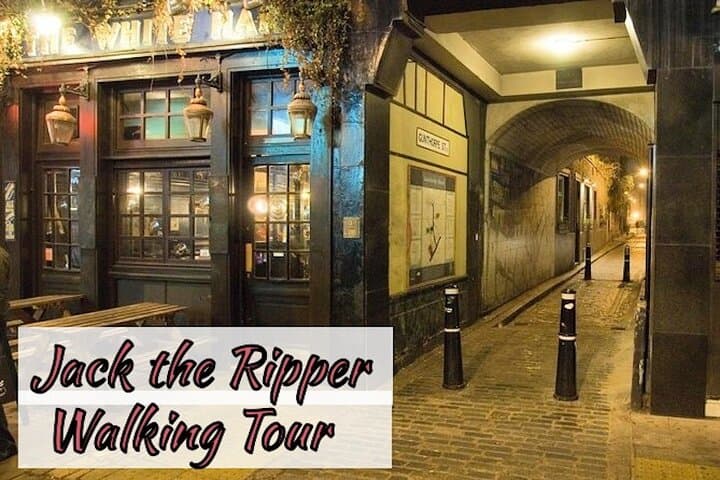
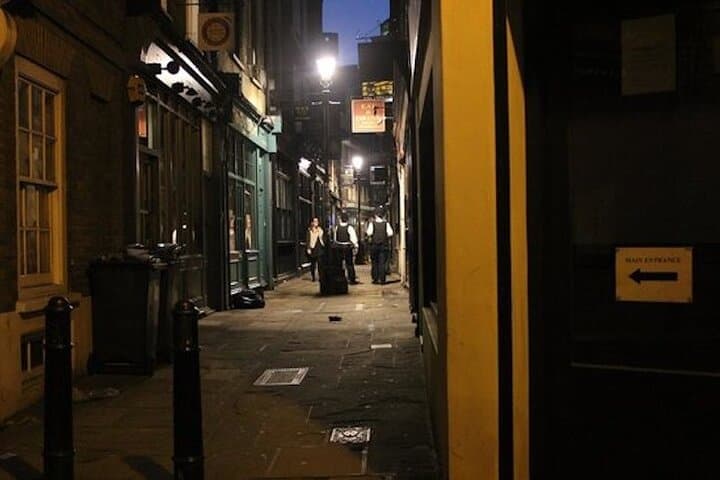
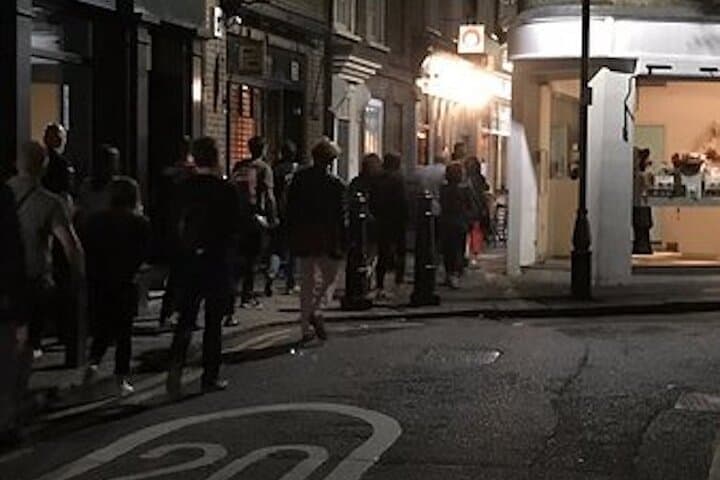
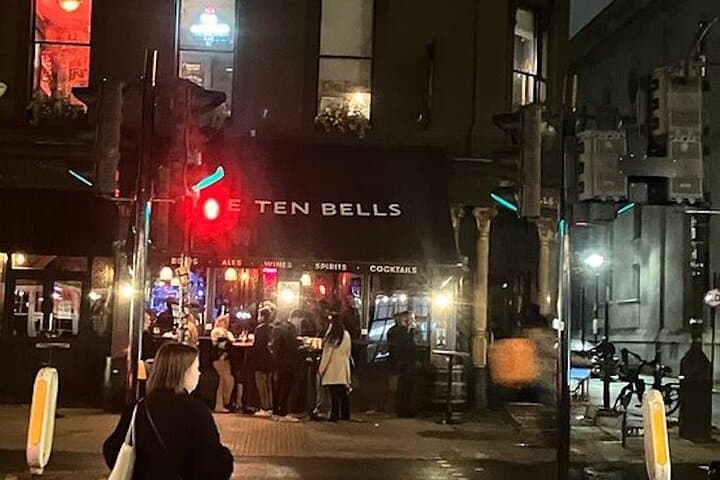
A late‑day fog curls off the Thames as you step from Commercial Street into the narrow veins of Whitechapel. Streetlamps throw long shadows across uneven cobbles; the Ten Bells pub sits at a corner where stories begin and stop. The guide’s voice cuts through the hush, factual and unsparing, mapping route and rumor as you move between alleys that once echoed with carriage wheels and dockworkers’ calls.
A late‑day fog curls off the Thames as you step from Commercial Street into the narrow veins of Whitechapel. Streetlamps throw long shadows across uneven cobbles; the Ten Bells pub sits at a corner where stories begin and stop. The guide’s voice cuts through the hush, factual and unsparing, mapping route and rumor as you move between alleys that once echoed with carriage wheels and dockworkers’ calls.
East London in 1888 was shaped by rapid industrial growth, a crowded dockland economy, and Victorian policing that struggled to keep pace. The tour traces the geography of that era—poor housing squeezed into former marshland near the river, backstreets carved through reclaimed ground—and explains how social conditions and urban layout fed both crime and legend. You’ll learn about investigators, suspects, and the victims whose lives provide the real frame for the case.
Beyond the headlines, Whitechapel’s character is layered: Georgian churches, market stalls, and street art that reflect waves of immigration and working‑class resilience. The River Thames still dares you from the south, its pull evident in the district’s gritty tempo.
Practically: the walk covers about 1.5–2 miles over uneven pavement and lasts roughly two hours. Expect standing, short stair sections, and close‑quarters streets; the provider keeps groups small (max 12) for atmosphere and conversation. Bring sturdy shoes, a waterproof layer, and an open mind—this is history that asks for respect as much as curiosity.