THE ADVENTURE COLLECTIVE® · Independent discovery and booking for outdoor travel

Trace the footsteps and crime scenes of Victorian Whitechapel on a combined visit to the Jack the Ripper Museum and a guided walking tour. Expect museum exhibits, narrow cobbled alleys, and detailed historical narration—this is a six-hour, graphic look into one of London's most infamous cases.
Trace the footsteps and crime scenes of Victorian Whitechapel on a combined visit to the Jack the Ripper Museum and a guided walking tour. Expect museum exhibits, narrow cobbled alleys, and detailed historical narration—this is a six-hour, graphic look into one of London's most infamous cases.
A chill rides the Thames breeze as you step from Cable Street into a maze of narrow alleys and low brick facades. The Jack the Ripper Museum’s dim galleries set the tone: case files pinned under yellow lamp light, period photos that make faces feel present. When the group moves outside, the streets themselves take over—cobbles underfoot, gaslight shadows that seem to lean in, and the smell of old pubs and frying oil marking an East End that still carries the imprint of 1888.
Verified experiences and guided adventures in the surrounding area.
Operated by Top Sights Tours Group LLC · London, England
A chill rides the Thames breeze as you step from Cable Street into a maze of narrow alleys and low brick facades. The Jack the Ripper Museum’s dim galleries set the tone: case files pinned under yellow lamp light, period photos that make faces feel present. When the group moves outside, the streets themselves take over—cobbles underfoot, gaslight shadows that seem to lean in, and the smell of old pubs and frying oil marking an East End that still carries the imprint of 1888.
This is history that reads like a police blotter: the late-Victorian surge of population, poverty, and makeshift housing created the environment Jack the Ripper exploited. Many buildings along the route retain Georgian and Victorian fabric—narrow courts, back lanes, and a few surviving doorways—offering a tangible link to the crimes and the era’s forensic limits.
Culturally, the tour moves through a neighborhood shaped by waves of immigration and working-class industry; guides point out pubs, market streets, and small chapels that anchored daily life. Practical notes: the combined museum visit and walking tour lasts around six hours including stops; wear sturdy shoes for uneven cobbles and bring rain protection. The subject matter is explicit and historical—participants should be prepared for graphic detail.
Logistics are straightforward: meet at the museum entrance, public transport access is excellent (Aldgate East, Whitechapel), and tours are accessible to most fitness levels. Respect for private homes, quiet in residential stretches, and tipping guides are standard—this walk blends forensic curiosities, living streets, and a vivid slice of London’s darker past.
easy.
6 hours.
Suitable for most fitness levels; requires standing and walking on uneven urban surfaces for several hours.
The tour covers violent historical crimes and includes explicit descriptions; it’s recommended for older teens and adults—check content with the operator if unsure.
The museum and many parts of the route are listed as accessible, but some alleyways have uneven surfaces; contact the operator ahead to confirm accommodations for specific needs.
Photography is generally allowed outside; inside the museum some exhibits may restrict flash photography—follow guide and signage instructions.
A mobile ticket is accepted, but have it ready on your phone and arrive early to allow time for check-in.
Whitechapel in the late 19th century was densely populated, impoverished, and home to incoming immigrant communities—conditions that shaped the social backdrop to the Ripper murders.
Respect private property and residential privacy during the walk; support nearby businesses and follow Leave No Trace principles even in urban settings.
Top Sights Tours Group LLC operates guided outdoor trips and adventures with an emphasis on safety, stewardship, and memorable experiences.
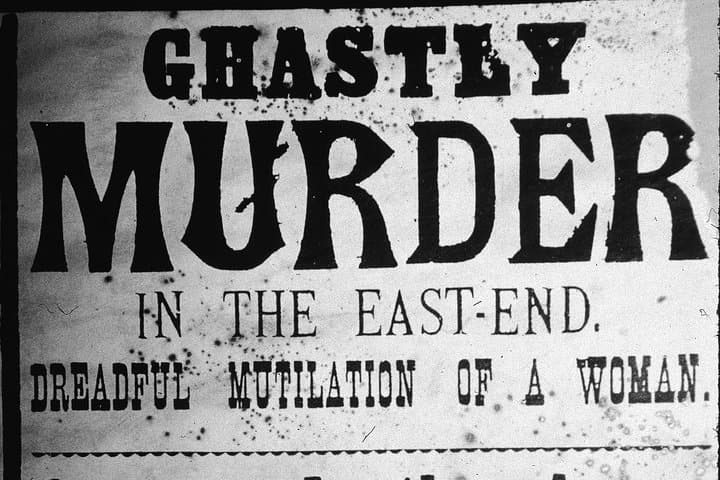
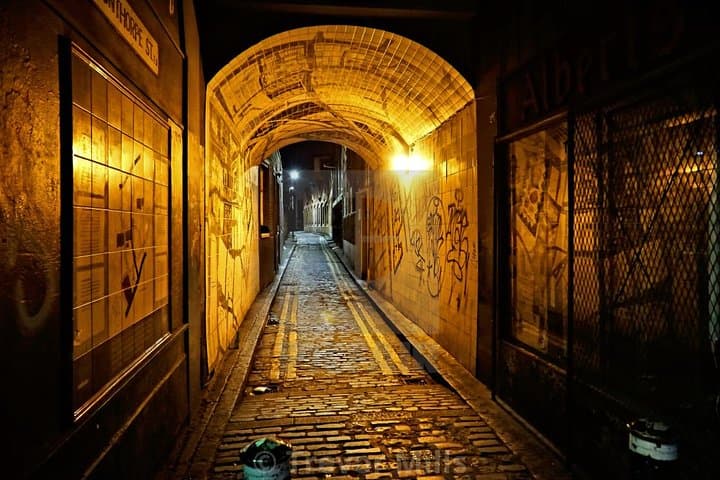
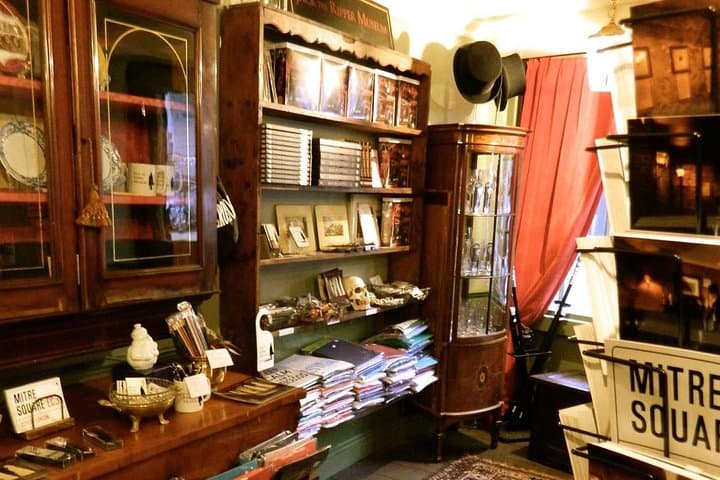
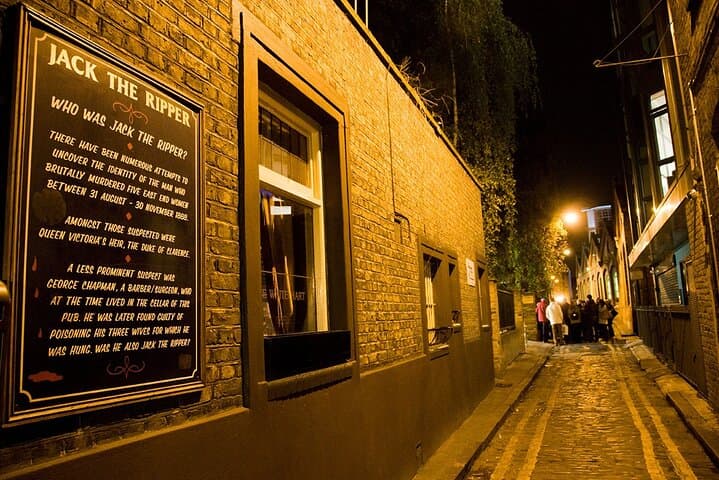
A chill rides the Thames breeze as you step from Cable Street into a maze of narrow alleys and low brick facades. The Jack the Ripper Museum’s dim galleries set the tone: case files pinned under yellow lamp light, period photos that make faces feel present. When the group moves outside, the streets themselves take over—cobbles underfoot, gaslight shadows that seem to lean in, and the smell of old pubs and frying oil marking an East End that still carries the imprint of 1888.
A chill rides the Thames breeze as you step from Cable Street into a maze of narrow alleys and low brick facades. The Jack the Ripper Museum’s dim galleries set the tone: case files pinned under yellow lamp light, period photos that make faces feel present. When the group moves outside, the streets themselves take over—cobbles underfoot, gaslight shadows that seem to lean in, and the smell of old pubs and frying oil marking an East End that still carries the imprint of 1888.
This is history that reads like a police blotter: the late-Victorian surge of population, poverty, and makeshift housing created the environment Jack the Ripper exploited. Many buildings along the route retain Georgian and Victorian fabric—narrow courts, back lanes, and a few surviving doorways—offering a tangible link to the crimes and the era’s forensic limits.
Culturally, the tour moves through a neighborhood shaped by waves of immigration and working-class industry; guides point out pubs, market streets, and small chapels that anchored daily life. Practical notes: the combined museum visit and walking tour lasts around six hours including stops; wear sturdy shoes for uneven cobbles and bring rain protection. The subject matter is explicit and historical—participants should be prepared for graphic detail.
Logistics are straightforward: meet at the museum entrance, public transport access is excellent (Aldgate East, Whitechapel), and tours are accessible to most fitness levels. Respect for private homes, quiet in residential stretches, and tipping guides are standard—this walk blends forensic curiosities, living streets, and a vivid slice of London’s darker past.