THE ADVENTURE COLLECTIVE® · Independent discovery and booking for outdoor travel

Trace the tense, narrow streets where the Whitechapel murders unfolded, then warm up with a Brick Lane curry. This brisk 75-minute walking tour combines forensic tale-telling with local history and a taste of east London night life.
Trace the tense, narrow streets where the Whitechapel murders unfolded, then warm up with a Brick Lane curry. This brisk 75-minute walking tour combines forensic tale-telling with local history and a taste of east London night life.
Lamp-light catches the wet cobbles as a small group falls in behind a guide dressed in period coat and top hat. The streets of Whitechapel narrow and hush; the city’s modern hum recedes and the tour moves at a brisk, purposeful pace — 75 minutes that stitch together murder sites, public houses and the curry houses of Brick Lane.
Verified experiences and guided adventures in the surrounding area.
Operated by Jack the Ripper Walks · London, England
Lamp-light catches the wet cobbles as a small group falls in behind a guide dressed in period coat and top hat. The streets of Whitechapel narrow and hush; the city’s modern hum recedes and the tour moves at a brisk, purposeful pace — 75 minutes that stitch together murder sites, public houses and the curry houses of Brick Lane.
Whitechapel in the late 19th century was a locus of industrial expansion, overcrowded housing and visible poverty, conditions that shaped the story of the Ripper murders and the sensational press that followed. The tour passes sites tied to victims and theories: Hanbury Street, Millers Court and the Ten Bells, each corner a frame for social history as much as criminology. Geology is urban — Victorian brick and cobbles, surviving 18th-century facades — with the area’s layered development visible in alleyways and former market buildings.
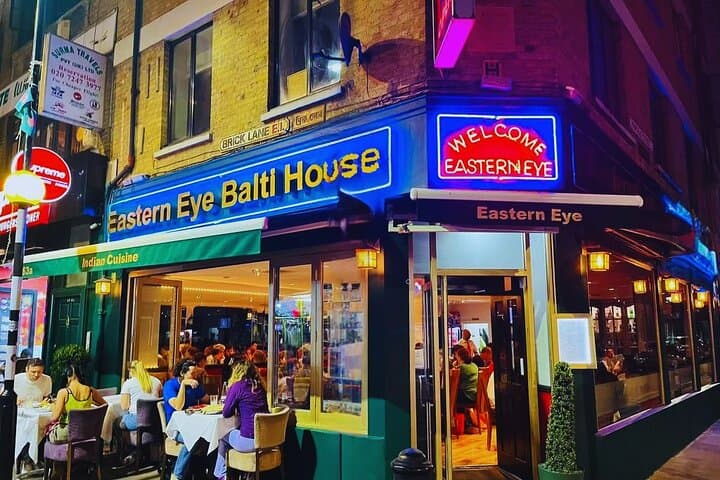
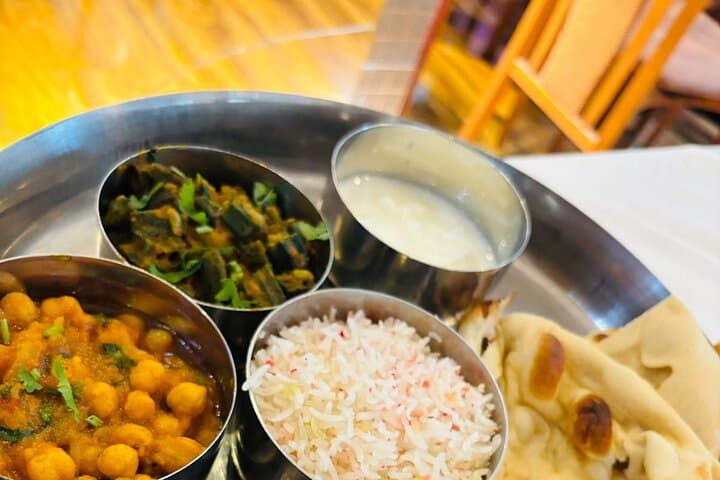
Culturally, the route traces waves of immigration: Huguenots, Eastern European Jews and, later, Bangladeshi restaurateurs whose curries now define Brick Lane’s evening pulse. Guides typically close at a Brick Lane restaurant for a set curry, turning grim history into contemporary neighborhood life.
Practical guidance: wear comfortable walking shoes and dress for rain; the tour is mostly on paved streets with short standing intervals. Expect vivid, sometimes graphic narration — not recommended for nervous guests or young children. Bring a charged phone camera for façades and market colors, and arrive 10 minutes early for registration. The walk is compact but intense: listen, ask questions, and leave room afterward to explore the markets and curry houses on your own.
moderate.
1–1.5 hours.
Participants should be able to stand and walk at a steady pace for 75 minutes on paved urban streets, with occasional steps and standing at sites.
The experience runs about 75 minutes at a brisk walking pace with short stops at several sites; expect standing and moving in tight streets.
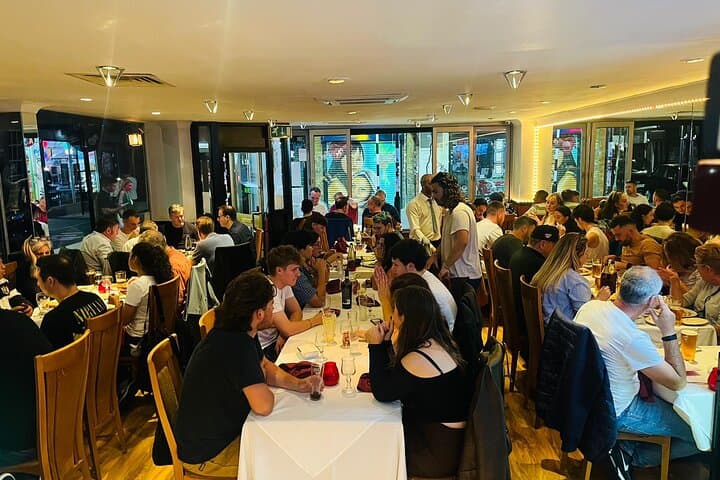
A set curry at an Eastern Eye restaurant on Brick Lane is included as described — confirm dietary needs when booking.
The tour contains graphic historical detail and is not recommended for young children or anyone sensitive to violent descriptions.
Typical meeting points are on Whitechapel High Street near the named pub; the tour finishes near Brick Lane at the restaurant listed in the itinerary.
Whitechapel’s late-Victorian overcrowding and immigrant communities shaped the social backdrop of the 1888 murders and press frenzy.
Respect memorials and former crime sites by photographing discreetly and supporting local businesses; many operators emphasize responsible storytelling to avoid sensationalism.
Jack the Ripper Walks operates guided outdoor trips and adventures with an emphasis on safety, stewardship, and memorable experiences.
Lamp-light catches the wet cobbles as a small group falls in behind a guide dressed in period coat and top hat. The streets of Whitechapel narrow and hush; the city’s modern hum recedes and the tour moves at a brisk, purposeful pace — 75 minutes that stitch together murder sites, public houses and the curry houses of Brick Lane.
Lamp-light catches the wet cobbles as a small group falls in behind a guide dressed in period coat and top hat. The streets of Whitechapel narrow and hush; the city’s modern hum recedes and the tour moves at a brisk, purposeful pace — 75 minutes that stitch together murder sites, public houses and the curry houses of Brick Lane.
Whitechapel in the late 19th century was a locus of industrial expansion, overcrowded housing and visible poverty, conditions that shaped the story of the Ripper murders and the sensational press that followed. The tour passes sites tied to victims and theories: Hanbury Street, Millers Court and the Ten Bells, each corner a frame for social history as much as criminology. Geology is urban — Victorian brick and cobbles, surviving 18th-century facades — with the area’s layered development visible in alleyways and former market buildings.
Culturally, the route traces waves of immigration: Huguenots, Eastern European Jews and, later, Bangladeshi restaurateurs whose curries now define Brick Lane’s evening pulse. Guides typically close at a Brick Lane restaurant for a set curry, turning grim history into contemporary neighborhood life.
Practical guidance: wear comfortable walking shoes and dress for rain; the tour is mostly on paved streets with short standing intervals. Expect vivid, sometimes graphic narration — not recommended for nervous guests or young children. Bring a charged phone camera for façades and market colors, and arrive 10 minutes early for registration. The walk is compact but intense: listen, ask questions, and leave room afterward to explore the markets and curry houses on your own.