THE ADVENTURE COLLECTIVE® · Independent discovery and booking for outdoor travel

Walk the East End streets where history and mystery collide. This guided Jack the Ripper tour traces the real sites of the 1888 murders while explaining Victorian society, policing, and the enduring mystery.
Walk the East End streets where history and mystery collide. This guided Jack the Ripper tour traces the real sites of the 1888 murders while explaining Victorian society, policing, and the enduring mystery.
A low mist hangs over Whitechapel as the group gathers beneath a streetlamp; the city breathes around them—taxi horns, the distant River Thames, the hush of alleys that have kept their stories for more than a century. Walking this route at dusk places you on the same cobbles and narrow lanes where the 1888 murders shocked Victorian London.
Verified experiences and guided adventures in the surrounding area.
A low mist hangs over Whitechapel as the group gathers beneath a streetlamp; the city breathes around them—taxi horns, the distant River Thames, the hush of alleys that have kept their stories for more than a century. Walking this route at dusk places you on the same cobbles and narrow lanes where the 1888 murders shocked Victorian London.
The tour threads through the East End’s history: rapid industrial growth, overcrowded housing, and the social fractures that made the area vulnerable. Guides point out the real crime sites and archival details about the canonical five victims—Mary Ann Nichols, Annie Chapman, Elizabeth Stride, Catherine Eddowes and Mary Jane Kelly—while explaining how policing, press, and poverty shaped the investigation.
Geology here matters only as much as the land’s past—reclaimed marshland by the Thames, streets built atop medieval lanes—so expect uneven cobbles and tight passages rather than climbs. Culture and local life are visible in market stalls, curry houses, and pubs that replaced Victorian lodging houses.
Practical guidance: tours run 2–3 hours and are primarily on foot across uneven, often dimly lit pavement—comfortable footwear and a light jacket are practical. Tours require respect for memorials and private property; photography is usually allowed but be considerate around residential doors. Nighttime timing sharply improves atmosphere but consider personal safety: stick with the group, keep valuables secure, and follow the guide’s directions.
This is a blend of true-crime history and urban walking—grim, instructive, and rooted in a real London that still hums with life.
moderate.
2–3 hours.
Suitable for anyone who can walk 2–3 hours with short pauses; minimal elevation but extended standing and walking on uneven surfaces.
The tour typically lasts 2–3 hours, depending on group pace and questions from participants.
Older teens who can handle a long, evening walk and understand sensitive historical content are generally okay; check operator age policies for children.
Meeting points vary by operator but are usually in central Whitechapel or near Aldgate; check your booking confirmation for the exact location and arrival time.
Guides provide factual accounts including violent details; if you’re sensitive to descriptions of murder, consider a daytime historical walk instead.
The canonical Jack the Ripper murders occurred in 1888 in Whitechapel, exposing the East End’s overcrowding and influencing modern forensic and policing debates.
Respect for historic sites is emphasized—stay on public sidewalks, avoid disturbing plaques or doorways, and support local businesses that sustain the neighborhood.
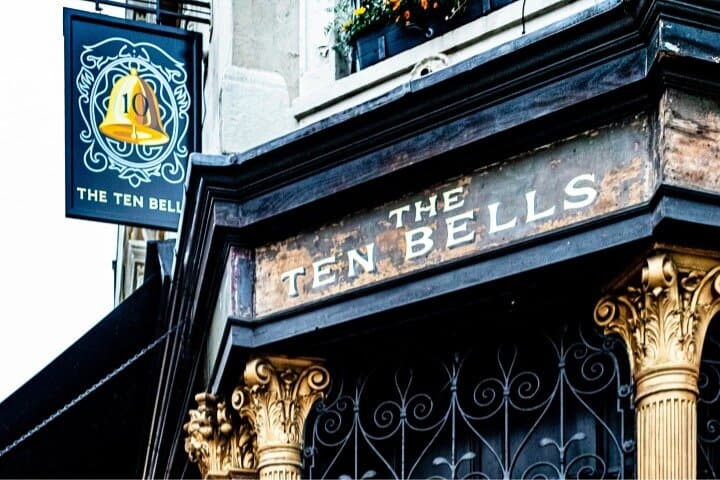
A low mist hangs over Whitechapel as the group gathers beneath a streetlamp; the city breathes around them—taxi horns, the distant River Thames, the hush of alleys that have kept their stories for more than a century. Walking this route at dusk places you on the same cobbles and narrow lanes where the 1888 murders shocked Victorian London.
A low mist hangs over Whitechapel as the group gathers beneath a streetlamp; the city breathes around them—taxi horns, the distant River Thames, the hush of alleys that have kept their stories for more than a century. Walking this route at dusk places you on the same cobbles and narrow lanes where the 1888 murders shocked Victorian London.
The tour threads through the East End’s history: rapid industrial growth, overcrowded housing, and the social fractures that made the area vulnerable. Guides point out the real crime sites and archival details about the canonical five victims—Mary Ann Nichols, Annie Chapman, Elizabeth Stride, Catherine Eddowes and Mary Jane Kelly—while explaining how policing, press, and poverty shaped the investigation.
Geology here matters only as much as the land’s past—reclaimed marshland by the Thames, streets built atop medieval lanes—so expect uneven cobbles and tight passages rather than climbs. Culture and local life are visible in market stalls, curry houses, and pubs that replaced Victorian lodging houses.
Practical guidance: tours run 2–3 hours and are primarily on foot across uneven, often dimly lit pavement—comfortable footwear and a light jacket are practical. Tours require respect for memorials and private property; photography is usually allowed but be considerate around residential doors. Nighttime timing sharply improves atmosphere but consider personal safety: stick with the group, keep valuables secure, and follow the guide’s directions.
This is a blend of true-crime history and urban walking—grim, instructive, and rooted in a real London that still hums with life.