THE ADVENTURE COLLECTIVE® · Independent discovery and booking for outdoor travel

Walk the streets of Whitechapel on a guided history tour that uses the Ripper case to illuminate Victorian society, immigration, markets and policing. Expect close-up urban storytelling, narrow alleys, and accessible routes suitable for most travelers.
Walk the streets of Whitechapel on a guided history tour that uses the Ripper case to illuminate Victorian society, immigration, markets and policing. Expect close-up urban storytelling, narrow alleys, and accessible routes suitable for most travelers.
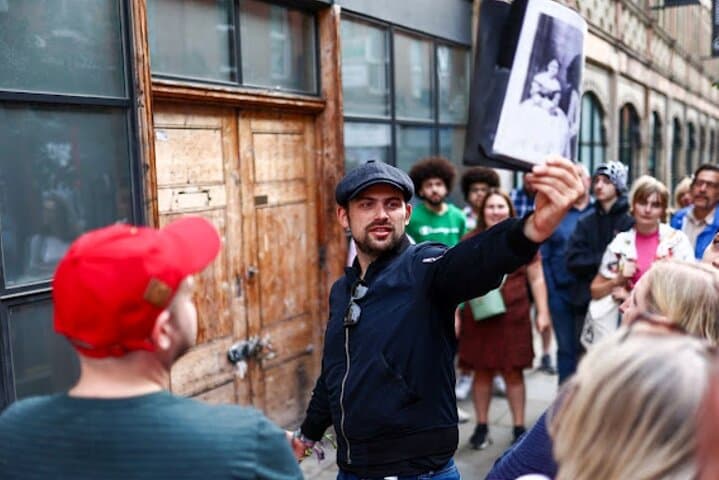
Fog presses against the gas lamps as your guide leads the group down a narrow lane where cobbles still remember horse hooves. Street sounds dampen into a hush; the East End seems to hold its breath. This is not a ghost story tour but a measured walk through streets that shaped and scarred Victorian London.
Verified experiences and guided adventures in the surrounding area.
Operated by Loudman Tours · London, England
Fog presses against the gas lamps as your guide leads the group down a narrow lane where cobbles still remember horse hooves. Street sounds dampen into a hush; the East End seems to hold its breath. This is not a ghost story tour but a measured walk through streets that shaped and scarred Victorian London.
The tour threads Brick Lane, Spitalfields Market, the Ten Bells pub and Goulston Street, using the Ripper crimes as a lens to examine poverty, migration and policing in 19th-century London. Geology and river history matter here: the Thames’ tidal reach and marshy soils concentrated docks, cheap housing and industries that drew laborers and immigrants to the area. Christ Church and market buildings speak to Victorian civic reform, while murals and curry houses reflect waves of cultural change since.
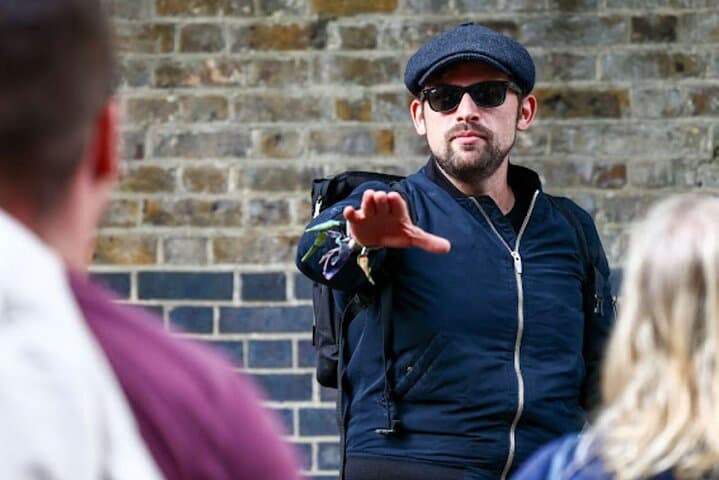
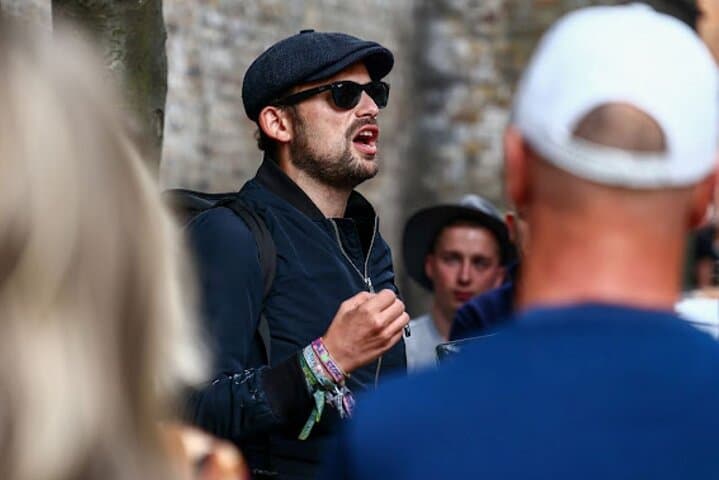
Expect vivid storytelling from guides trained in social history rather than lurid sensationalism—re-enactments are used sparingly to highlight lived experience and consequence. Practical notes: the route is urban pavement and narrow alleys, about 2–3 miles spread over roughly 2–2.5 hours, with frequent stops; suitable for most fitness levels. Mornings and early evenings offer the best light for photos and cooler temps; weekends bring busier markets.
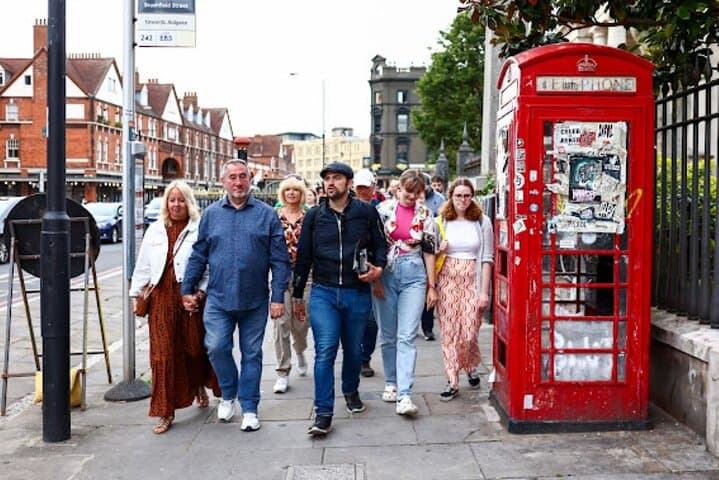
Plan to wear sturdy shoes for uneven cobbles, bring a rain layer (London weather changes fast), and arrive by Tube—Whitechapel or Aldgate East are the closest stations. The tour is wheelchair accessible on advertised routes but check specifics when booking. Listen closely: the city’s architecture quietly tells the rest of the story.
easy.
2–2.5 hours.
Suitable for most people who can stand and walk 2–3 miles on paved surfaces; minimal elevation change.
The tour runs about 2–2.5 hours and covers roughly 2–3 miles on paved streets with frequent stops.
Content includes real crimes and may be distressing for young children; the route is advertised as wheelchair accessible in key areas—check with the operator for specifics.
Yes—photography is allowed, but guides ask visitors to be respectful when photographing sites tied to victims and sensitive history.
Arrive by Tube—Whitechapel or Aldgate East are closest; both have frequent connections and the area is well-served by buses.
The East End expanded with the docks and industries of the 19th century, concentrating poverty, immigrant communities and the social conditions central to Victorian reform movements.
Tours encourage low-impact visitation—avoid littering, stick to marked pavements, and support local businesses to keep heritage areas viable.
Loudman Tours operates guided outdoor trips and adventures with an emphasis on safety, stewardship, and memorable experiences.
Fog presses against the gas lamps as your guide leads the group down a narrow lane where cobbles still remember horse hooves. Street sounds dampen into a hush; the East End seems to hold its breath. This is not a ghost story tour but a measured walk through streets that shaped and scarred Victorian London.
Fog presses against the gas lamps as your guide leads the group down a narrow lane where cobbles still remember horse hooves. Street sounds dampen into a hush; the East End seems to hold its breath. This is not a ghost story tour but a measured walk through streets that shaped and scarred Victorian London.
The tour threads Brick Lane, Spitalfields Market, the Ten Bells pub and Goulston Street, using the Ripper crimes as a lens to examine poverty, migration and policing in 19th-century London. Geology and river history matter here: the Thames’ tidal reach and marshy soils concentrated docks, cheap housing and industries that drew laborers and immigrants to the area. Christ Church and market buildings speak to Victorian civic reform, while murals and curry houses reflect waves of cultural change since.
Expect vivid storytelling from guides trained in social history rather than lurid sensationalism—re-enactments are used sparingly to highlight lived experience and consequence. Practical notes: the route is urban pavement and narrow alleys, about 2–3 miles spread over roughly 2–2.5 hours, with frequent stops; suitable for most fitness levels. Mornings and early evenings offer the best light for photos and cooler temps; weekends bring busier markets.
Plan to wear sturdy shoes for uneven cobbles, bring a rain layer (London weather changes fast), and arrive by Tube—Whitechapel or Aldgate East are the closest stations. The tour is wheelchair accessible on advertised routes but check specifics when booking. Listen closely: the city’s architecture quietly tells the rest of the story.