THE ADVENTURE COLLECTIVE® · Independent discovery and booking for outdoor travel

Trace the streets of Whitechapel on a focused two-hour walk that follows the sites linked to Jack the Ripper. The small-group format pairs historical detail with practical logistics—ideal for travelers who want atmosphere without sensationalism.
Trace the streets of Whitechapel on a focused two-hour walk that follows the sites linked to Jack the Ripper. The small-group format pairs historical detail with practical logistics—ideal for travelers who want atmosphere without sensationalism.
The walk begins beneath the Liverpool Street clock tower, where the city's buzz thins and gaslight memory takes hold.
Verified experiences and guided adventures in the surrounding area.
Operated by Brit Icon Tours · London, England
The walk begins beneath the Liverpool Street clock tower, where the city's buzz thins and gaslight memory takes hold.
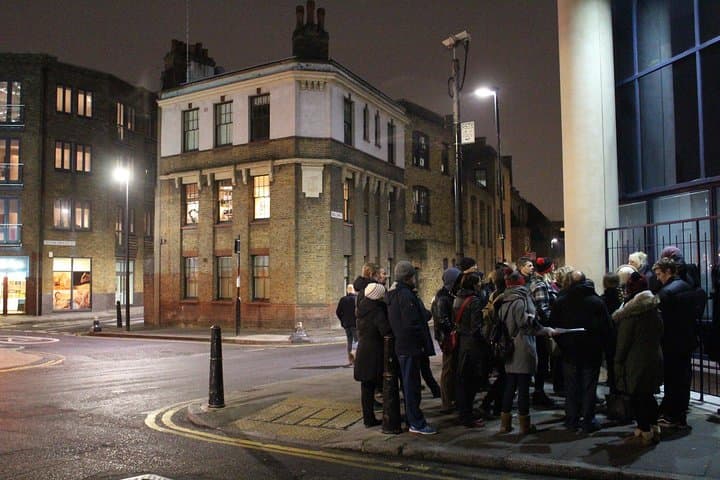
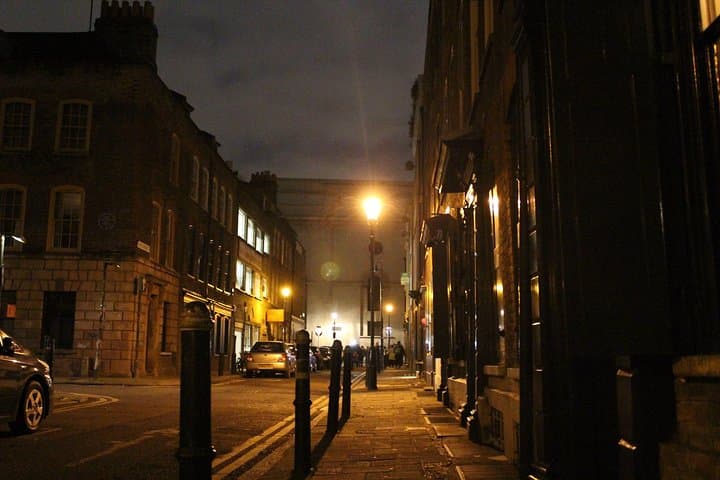
On a two-hour circuit through Whitechapel and Spitalfields, a small group follows narrow lanes and back alleys that still wear the scars of Victorian London: cobbles, narrow courts and the occasional fog that drops from the Thames like a curtain. Guides recount the Autumn of Terror in 1888—dates, victims, and the social fault lines that allowed fear to grow—and point to physical markers where events unfolded.
Whitechapel's streets are shaped by geology and industry: reclaimed marshes gave way to dense housing, and the nearby Thames funnelled commerce and poverty alike. The walk touches on the area's immigrant communities, the workhouses and the hospitals that framed daily life, giving cultural context to the crimes without sensationalizing them.
Practically, expect two hours of steady walking on uneven pavement, with frequent stops for storytelling and photo moments. Tours typically move at an easy but purposeful pace—bring comfortable footwear and layered clothing for cold evenings. Public transport access is excellent; Liverpool Street and Aldgate East stations put you within minutes of the meeting point.
The tone is investigative rather than lurid: the guide balances documented facts with period detail, and urges respect for the memory of victims and the contemporary neighborhood. For travelers who want atmospheric history with clear logistics, this compact, well-trodden route delivers an affecting window into Victorian London's darker corners.
moderate.
2 hours.
Requires a moderate level of fitness for standing and walking on variable pavement for about two hours.
Meet at the base of Liverpool Street Station clock tower; arrive 10 minutes before the scheduled departure time.
Minimum age is 16; the subject matter is mature and may be upsetting for younger listeners.
Tours generally run in light rain—dress accordingly; check cancellation terms for severe weather and refund rules.
The route includes narrow alleys and cobblestones that make full wheelchair accessibility limited; contact the operator for specific accommodations.
The murders attributed to Jack the Ripper occurred in 1888 amid overcrowded, industrial Whitechapel; the events highlighted social inequality and policing limits in Victorian London.
Guides emphasize respectful interpretation and minimizing impact on residential neighborhoods; visitors are urged not to photograph private homes or disturb memorials.
Brit Icon Tours operates guided outdoor trips and adventures with an emphasis on safety, stewardship, and memorable experiences.

The walk begins beneath the Liverpool Street clock tower, where the city's buzz thins and gaslight memory takes hold.
The walk begins beneath the Liverpool Street clock tower, where the city's buzz thins and gaslight memory takes hold.
On a two-hour circuit through Whitechapel and Spitalfields, a small group follows narrow lanes and back alleys that still wear the scars of Victorian London: cobbles, narrow courts and the occasional fog that drops from the Thames like a curtain. Guides recount the Autumn of Terror in 1888—dates, victims, and the social fault lines that allowed fear to grow—and point to physical markers where events unfolded.
Whitechapel's streets are shaped by geology and industry: reclaimed marshes gave way to dense housing, and the nearby Thames funnelled commerce and poverty alike. The walk touches on the area's immigrant communities, the workhouses and the hospitals that framed daily life, giving cultural context to the crimes without sensationalizing them.
Practically, expect two hours of steady walking on uneven pavement, with frequent stops for storytelling and photo moments. Tours typically move at an easy but purposeful pace—bring comfortable footwear and layered clothing for cold evenings. Public transport access is excellent; Liverpool Street and Aldgate East stations put you within minutes of the meeting point.
The tone is investigative rather than lurid: the guide balances documented facts with period detail, and urges respect for the memory of victims and the contemporary neighborhood. For travelers who want atmospheric history with clear logistics, this compact, well-trodden route delivers an affecting window into Victorian London's darker corners.