THE ADVENTURE COLLECTIVE® · Independent discovery and booking for outdoor travel

Trace the exact sites of the Whitechapel murders on a 4.5 km, self-guided reconstruction of 1888. Using original police reports, press clippings and photos delivered via Telegram, the trail asks you to weigh evidence and form your own conclusions.
Trace the exact sites of the Whitechapel murders on a 4.5 km, self-guided reconstruction of 1888. Using original police reports, press clippings and photos delivered via Telegram, the trail asks you to weigh evidence and form your own conclusions.
Fog curls through Durward Street as commuters pass the Whitechapel tube entrance; the city’s hum becomes the backdrop for forensic detail and press-cutting evidence that transport you to 1888. Walkers start beneath modern signage and quickly find themselves tracing footsteps where investigations were made and rumours spread — narrow alleys, old tenement fronts and the crushed cobbles that once carried horse traffic.
Verified experiences and guided adventures in the surrounding area.
Operated by SideWalks · London, England
Fog curls through Durward Street as commuters pass the Whitechapel tube entrance; the city’s hum becomes the backdrop for forensic detail and press-cutting evidence that transport you to 1888. Walkers start beneath modern signage and quickly find themselves tracing footsteps where investigations were made and rumours spread — narrow alleys, old tenement fronts and the crushed cobbles that once carried horse traffic.
The trail stitches together Victorian social history, policing changes and the stark geology of the Thames-side flats — London Clay that shaped drainage, poverty and the dense street pattern of the East End. Cultural context is central: the walk explains how press sensationalism, immigration and inadequate policing combined to shape both the crimes and their lasting mythology.
This self-guided route covers 4.5 km between Whitechapel Tube (Durward St) and Spitalfields Market. The experience is archival and evidence-driven: police reports, coroner’s notes and period photography are delivered via Telegram and a gamecode that unlocks the narrative and suspect profiles. Play at your own pace; most people take about two hours.
Practicalities are simple but important. The route is fully step-free and accessible, but you’ll need a smartphone, the Telegram app and charged battery. Daylight hours are recommended for reading documents and staying alert on busy pavements. Expect urban surfaces — pavement, some cobbles, pedestrian streets — and prepare for variable weather.
For visitors interested in criminal investigation, social history, or the mechanics of urban change, the RIPPERTRAIL offers a sober, methodical reconstruction rather than dramatized spectacle: a walking investigation that asks you to weigh evidence before naming a suspect.
moderate.
2 hours.
Moderate—able to walk 4.5 km at a steady pace and stand to read documents; accessible for most adults.
No — the trail is self-guided and can be played any day during daylight hours after you receive your gamecode.
Yes — the route is described as fully step-free and wheelchair accessible, following mainly pavements and level surfaces.
The trail is playable in 11 languages including English, French, German, Italian, Spanish, Portuguese, Russian, Japanese, Chinese, Korean and Arabic.
After booking the organizer sends the gamecode and access instructions by message; you must use the Telegram Messenger app to receive police reports, photos and timelines.
The Whitechapel murders of 1888 occurred amid rapid Victorian urbanization, acute poverty and a press hungry for sensational copy, which shaped public perception of both crime and policing.
As an urban historical walk, the main conservation concern is preserving surviving built fabric; respect buildings and private property and avoid touching archival reproductions on display.
SideWalks operates guided outdoor trips and adventures with an emphasis on safety, stewardship, and memorable experiences.
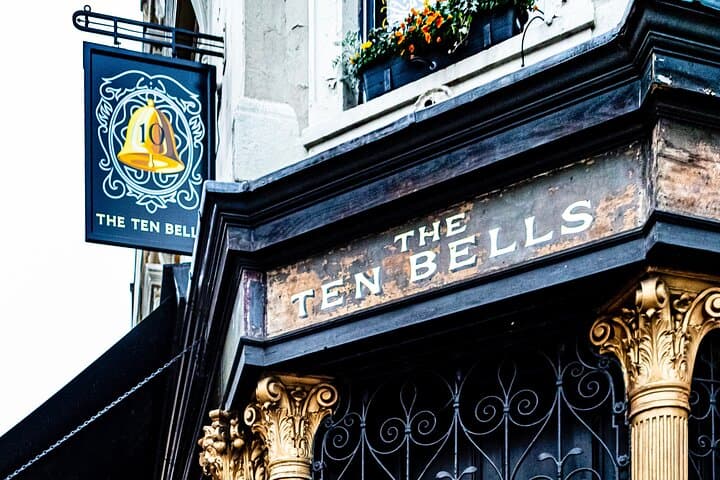
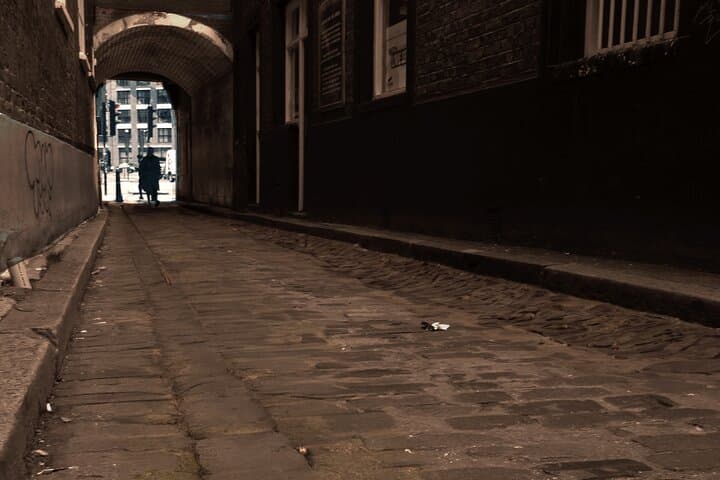
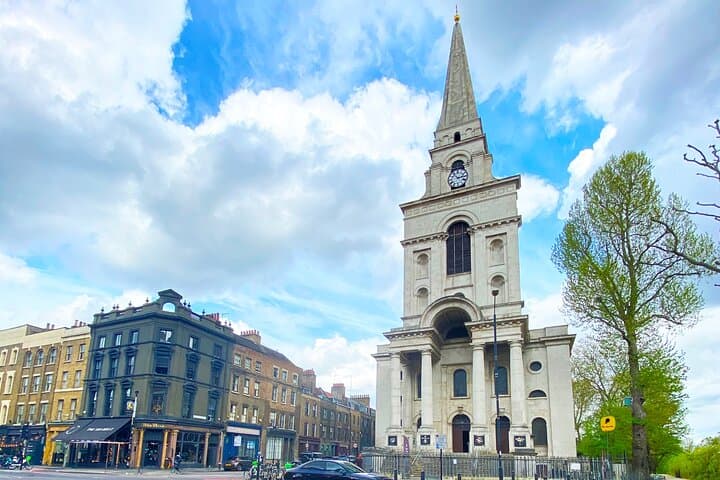
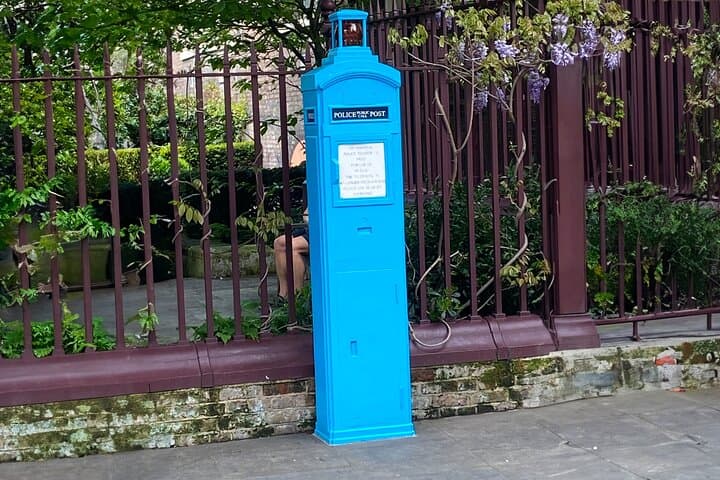
Fog curls through Durward Street as commuters pass the Whitechapel tube entrance; the city’s hum becomes the backdrop for forensic detail and press-cutting evidence that transport you to 1888. Walkers start beneath modern signage and quickly find themselves tracing footsteps where investigations were made and rumours spread — narrow alleys, old tenement fronts and the crushed cobbles that once carried horse traffic.
Fog curls through Durward Street as commuters pass the Whitechapel tube entrance; the city’s hum becomes the backdrop for forensic detail and press-cutting evidence that transport you to 1888. Walkers start beneath modern signage and quickly find themselves tracing footsteps where investigations were made and rumours spread — narrow alleys, old tenement fronts and the crushed cobbles that once carried horse traffic.
The trail stitches together Victorian social history, policing changes and the stark geology of the Thames-side flats — London Clay that shaped drainage, poverty and the dense street pattern of the East End. Cultural context is central: the walk explains how press sensationalism, immigration and inadequate policing combined to shape both the crimes and their lasting mythology.
This self-guided route covers 4.5 km between Whitechapel Tube (Durward St) and Spitalfields Market. The experience is archival and evidence-driven: police reports, coroner’s notes and period photography are delivered via Telegram and a gamecode that unlocks the narrative and suspect profiles. Play at your own pace; most people take about two hours.
Practicalities are simple but important. The route is fully step-free and accessible, but you’ll need a smartphone, the Telegram app and charged battery. Daylight hours are recommended for reading documents and staying alert on busy pavements. Expect urban surfaces — pavement, some cobbles, pedestrian streets — and prepare for variable weather.
For visitors interested in criminal investigation, social history, or the mechanics of urban change, the RIPPERTRAIL offers a sober, methodical reconstruction rather than dramatized spectacle: a walking investigation that asks you to weigh evidence before naming a suspect.