THE ADVENTURE COLLECTIVE® · Independent discovery and booking for outdoor travel

Experience Whitechapel’s darker past as handheld projectors overlay photos and film onto the real streets where the 1888 murders occurred. This 105‑minute afternoon walk combines forensic detail, social history and immersive visuals to bring the case to life.
Experience Whitechapel’s darker past as handheld projectors overlay photos and film onto the real streets where the 1888 murders occurred. This 105‑minute afternoon walk combines forensic detail, social history and immersive visuals to bring the case to life.
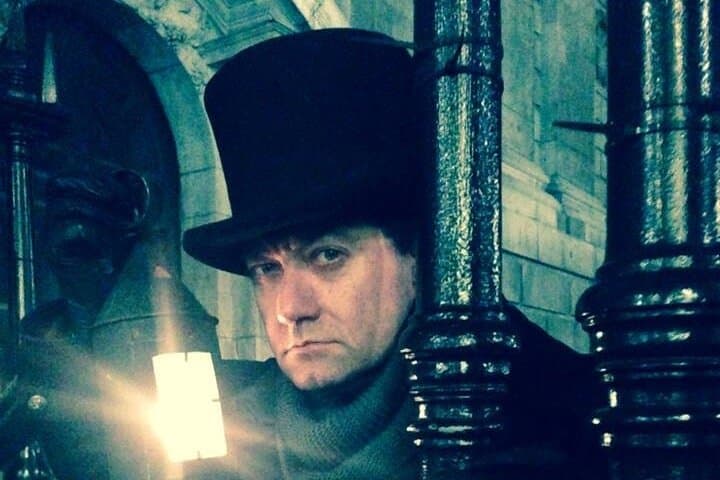
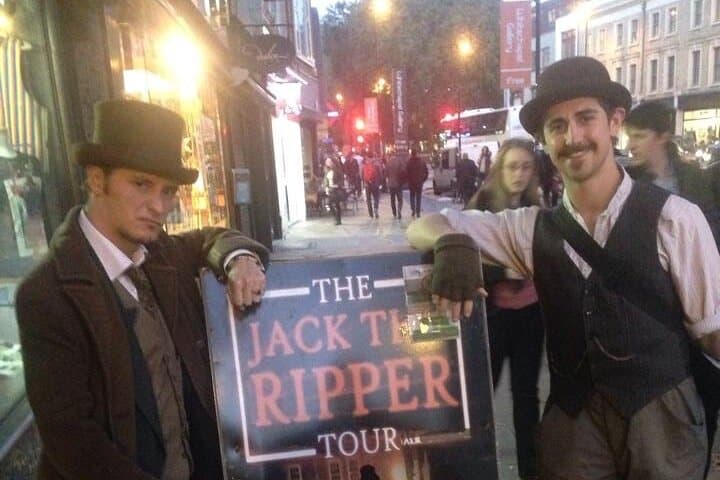
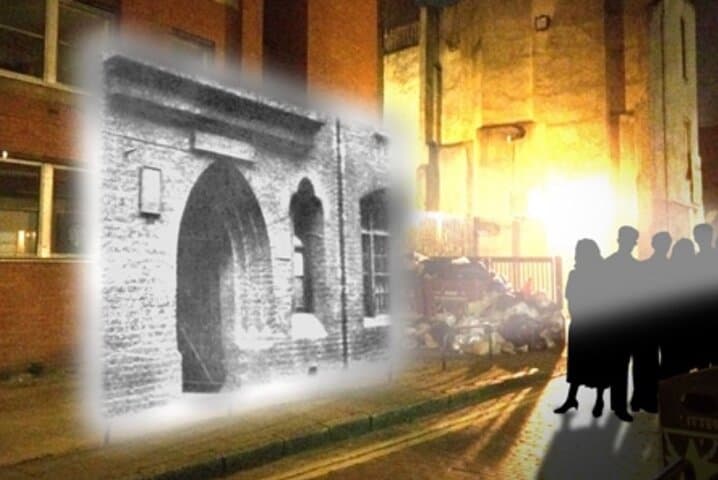
The lane narrows, cobbles slick from a recent rain, and a handheld projector paints five‑foot images against brick where gaslight once struggled to reach. On this afternoon walk through Whitechapel, Ripper‑Vision layers archival photos, film clips and forensic detail across the actual streets where the 1888 murders took place, making the past feel immediate and physically present.
Verified experiences and guided adventures in the surrounding area.
Operated by secret chamber tours ltd · London, Greater London
The lane narrows, cobbles slick from a recent rain, and a handheld projector paints five‑foot images against brick where gaslight once struggled to reach. On this afternoon walk through Whitechapel, Ripper‑Vision layers archival photos, film clips and forensic detail across the actual streets where the 1888 murders took place, making the past feel immediate and physically present.
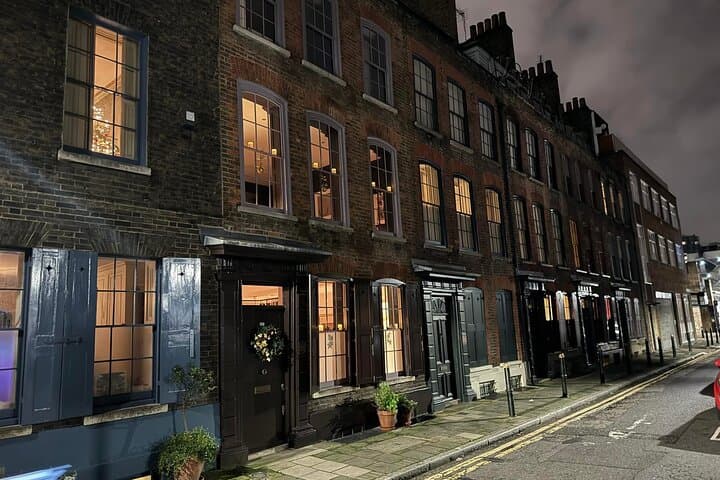
Whitechapel in the late 19th century was a dense mix of tenements, markets and back alleys shaped by rapid industrialization and migration. The tour traces key scenes — Gunthorpe Street, Hanbury Street, Mitre Square — while guides explain contemporary policing, Victorian social conditions and the emergence of sensational journalism that amplified the case.
Geology here is urban: reclaimed marshland with narrow lanes and cobbled surfaces that funnel sound and shadow. The cultural layer is thick — East End communities, workhouses, and immigrant populations all factor into how the crimes and investigation unfolded. Local guides, often called "Ripperologists," combine archival sources with modern profiling to discuss suspects and enduring mysteries.
Practically, expect roughly 1.75 hours of mostly standing and walking on uneven, sometimes wet cobbles. Wear sturdy shoes, bring a charged phone (Ripper‑Vision uses projections), and plan for limited seating. Tours operate in most weather; dress in layers and allow time before or after to visit nearby museums and pubs. The experience balances historical fact with evocative imagery — a focused, often chilling walk through one of London’s most contested chapters.
moderate.
1.5–2 hours.
Able to stand and walk on uneven cobbles for up to two hours; comfortable with short bursts of uphill or cramped alleyways.
The tour runs about 105 minutes (roughly 1 hour 45 minutes) and covers multiple street locations in Whitechapel.
The operator notes wheelchair accessibility, but some cobbled surfaces and narrow sections may be challenging—contact the provider ahead to confirm accessibility arrangements.
The material covers real violent crimes and forensic detail; discretion is advised for younger children and those sensitive to graphic descriptions.
Tours operate in most weather; dress appropriately. In extreme conditions the operator will advise attendees of any changes.
The Whitechapel murders of 1888 occurred amid overcrowding, poverty and limited policing resources, making the case both a criminal investigation and a social flashpoint.
Visitors are asked to treat sites respectfully, follow signage, and avoid disturbing plaques or cobbles; local groups work to preserve East End heritage and memorials.
secret chamber tours ltd operates guided outdoor trips and adventures with an emphasis on safety, stewardship, and memorable experiences.
The lane narrows, cobbles slick from a recent rain, and a handheld projector paints five‑foot images against brick where gaslight once struggled to reach. On this afternoon walk through Whitechapel, Ripper‑Vision layers archival photos, film clips and forensic detail across the actual streets where the 1888 murders took place, making the past feel immediate and physically present.
The lane narrows, cobbles slick from a recent rain, and a handheld projector paints five‑foot images against brick where gaslight once struggled to reach. On this afternoon walk through Whitechapel, Ripper‑Vision layers archival photos, film clips and forensic detail across the actual streets where the 1888 murders took place, making the past feel immediate and physically present.
Whitechapel in the late 19th century was a dense mix of tenements, markets and back alleys shaped by rapid industrialization and migration. The tour traces key scenes — Gunthorpe Street, Hanbury Street, Mitre Square — while guides explain contemporary policing, Victorian social conditions and the emergence of sensational journalism that amplified the case.
Geology here is urban: reclaimed marshland with narrow lanes and cobbled surfaces that funnel sound and shadow. The cultural layer is thick — East End communities, workhouses, and immigrant populations all factor into how the crimes and investigation unfolded. Local guides, often called "Ripperologists," combine archival sources with modern profiling to discuss suspects and enduring mysteries.
Practically, expect roughly 1.75 hours of mostly standing and walking on uneven, sometimes wet cobbles. Wear sturdy shoes, bring a charged phone (Ripper‑Vision uses projections), and plan for limited seating. Tours operate in most weather; dress in layers and allow time before or after to visit nearby museums and pubs. The experience balances historical fact with evocative imagery — a focused, often chilling walk through one of London’s most contested chapters.