THE ADVENTURE COLLECTIVE® · Independent discovery and booking for outdoor travel

Walk the actual streets of Whitechapel with researcher Russell Edwards as he presents archival evidence, forensic analysis and a researcher’s claim about the Ripper’s identity. This guided, 105-minute walking tour blends social history with close-up views of the original crime scenes.
Walk the actual streets of Whitechapel with researcher Russell Edwards as he presents archival evidence, forensic analysis and a researcher’s claim about the Ripper’s identity. This guided, 105-minute walking tour blends social history with close-up views of the original crime scenes.
A damp London evening compresses sound: footsteps, distant traffic and the murmur of market traders give way to narrow alleys where lamplight pools on uneven brick. The tour opens in Whitechapel, and the guide—author and researcher Russell Edwards—leads the group through streets that still echo late-Victorian life.
Verified experiences and guided adventures in the surrounding area.
Operated by Jack the Ripper Experience · London, England
A damp London evening compresses sound: footsteps, distant traffic and the murmur of market traders give way to narrow alleys where lamplight pools on uneven brick. The tour opens in Whitechapel, and the guide—author and researcher Russell Edwards—leads the group through streets that still echo late-Victorian life.
The walk follows the original 1888 crime scenes and the social geography that shaped them. Edwards presents archival evidence, forensic notes and his own investigation, framing each stop with the lives of the victims and the policing limits of the era. Geology and architecture enter quietly: Victorian brickwork, cobbled lanes and surviving passageways that concentrated movement and shadow, creating the urban edges where the murders occurred.
Culturally the route crosses markets, pubs and places of work that reveal why Whitechapel was both a crossroads and a crucible—industrial migration, poverty and overcrowding are part of the story as much as the crimes.
Practically, the walk is about 1 hour 45 minutes on paved streets with several short stops for discussion and photo opportunities. Expect close quarters in narrow passages and a brisk, interpretive narration that combines forensic detail with social history. Wear supportive shoes, bring a waterproof layer and travel light; public transport links are close and the route is wheelchair accessible in most sections. The tour is best for true-crime and history enthusiasts who want a research-led perspective rather than a theatrical dramatization. It’s a sober, fact-focused look at one of London’s most notorious chapters.
easy.
1.5–2 hours.
Able to walk for up to two hours on city streets at a moderate pace; accessible to most fitness levels
The tour includes frank discussion of 19th-century murders and may be disturbing to young children; check content and consider age before booking.
The meeting point is in Whitechapel near public transport nodes—your booking confirmation lists the exact location and time.
Most areas and surfaces are reported as wheelchair accessible, but narrow historic passages may be challenging—contact the operator for specifics.
Yes; photography is allowed at most stops, but be respectful of other visitors and any private property.
The Whitechapel murders of 1888 occurred against a backdrop of rapid urban industrial growth, overcrowding and poverty; policing and forensic science were still developing at the time.
Respect for private properties, market traders and local residents is essential; stick to public routes, avoid graffiti and follow guidance to minimize impact on living urban heritage.
Jack the Ripper Experience operates guided outdoor trips and adventures with an emphasis on safety, stewardship, and memorable experiences.
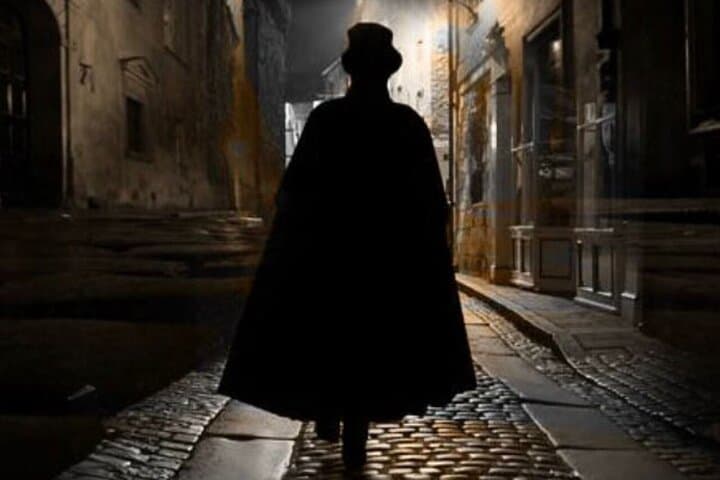
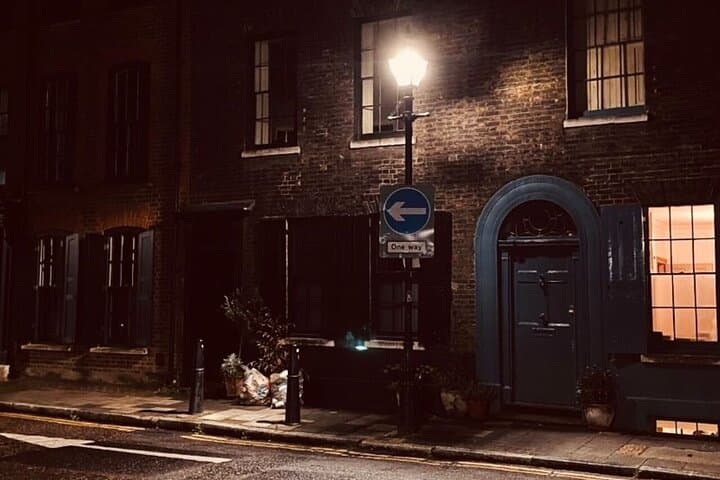
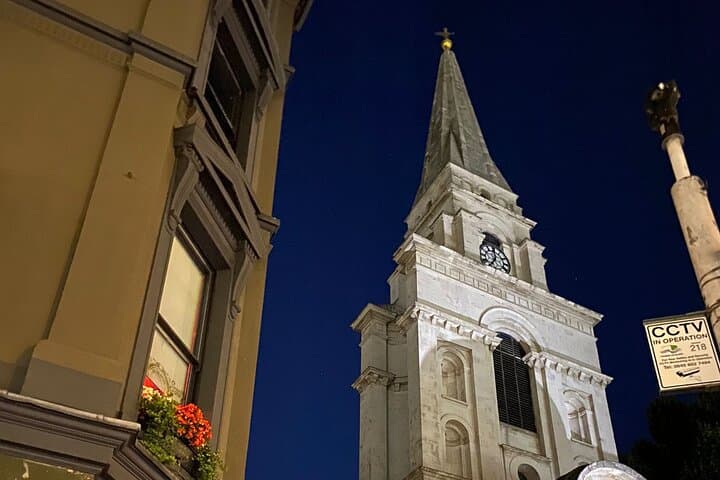
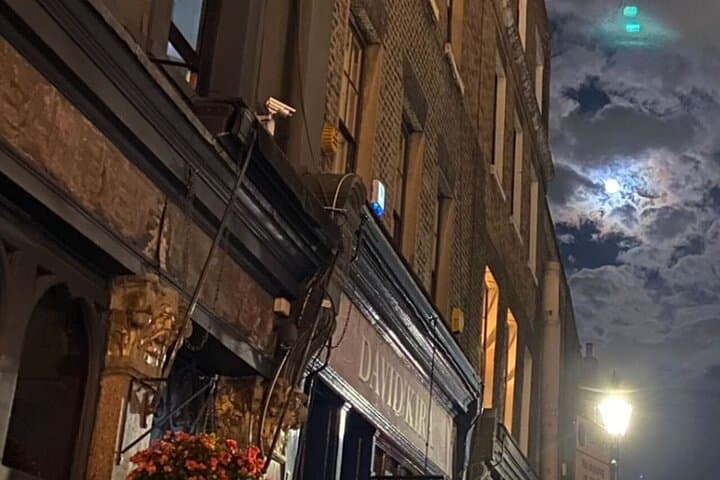
A damp London evening compresses sound: footsteps, distant traffic and the murmur of market traders give way to narrow alleys where lamplight pools on uneven brick. The tour opens in Whitechapel, and the guide—author and researcher Russell Edwards—leads the group through streets that still echo late-Victorian life.
A damp London evening compresses sound: footsteps, distant traffic and the murmur of market traders give way to narrow alleys where lamplight pools on uneven brick. The tour opens in Whitechapel, and the guide—author and researcher Russell Edwards—leads the group through streets that still echo late-Victorian life.
The walk follows the original 1888 crime scenes and the social geography that shaped them. Edwards presents archival evidence, forensic notes and his own investigation, framing each stop with the lives of the victims and the policing limits of the era. Geology and architecture enter quietly: Victorian brickwork, cobbled lanes and surviving passageways that concentrated movement and shadow, creating the urban edges where the murders occurred.
Culturally the route crosses markets, pubs and places of work that reveal why Whitechapel was both a crossroads and a crucible—industrial migration, poverty and overcrowding are part of the story as much as the crimes.
Practically, the walk is about 1 hour 45 minutes on paved streets with several short stops for discussion and photo opportunities. Expect close quarters in narrow passages and a brisk, interpretive narration that combines forensic detail with social history. Wear supportive shoes, bring a waterproof layer and travel light; public transport links are close and the route is wheelchair accessible in most sections. The tour is best for true-crime and history enthusiasts who want a research-led perspective rather than a theatrical dramatization. It’s a sober, fact-focused look at one of London’s most notorious chapters.