THE ADVENTURE COLLECTIVE® · Independent discovery and booking for outdoor travel

Walk the streets of Whitechapel with a fact‑based guide, stopping in three historic pubs where victims drank. This 2½‑hour crawl pairs local history with one beer at each stop.
Walk the streets of Whitechapel with a fact‑based guide, stopping in three historic pubs where victims drank. This 2½‑hour crawl pairs local history with one beer at each stop.
The narrow lanes off Whitechapel Road hold a different London after dusk — fog slides between lamp posts, the Thames breathes near the docks, and the low hum of city life presses against stained-glass windows of century-old pubs.
Verified experiences and guided adventures in the surrounding area.
Operated by Compleat Walks · London, England
The narrow lanes off Whitechapel Road hold a different London after dusk — fog slides between lamp posts, the Thames breathes near the docks, and the low hum of city life presses against stained-glass windows of century-old pubs.
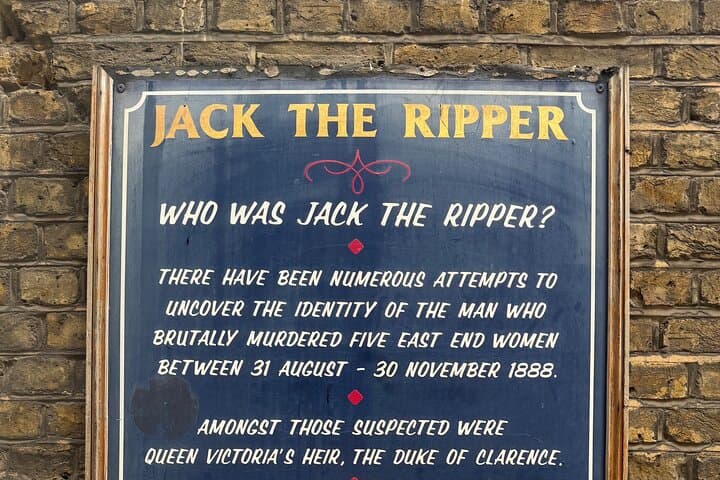
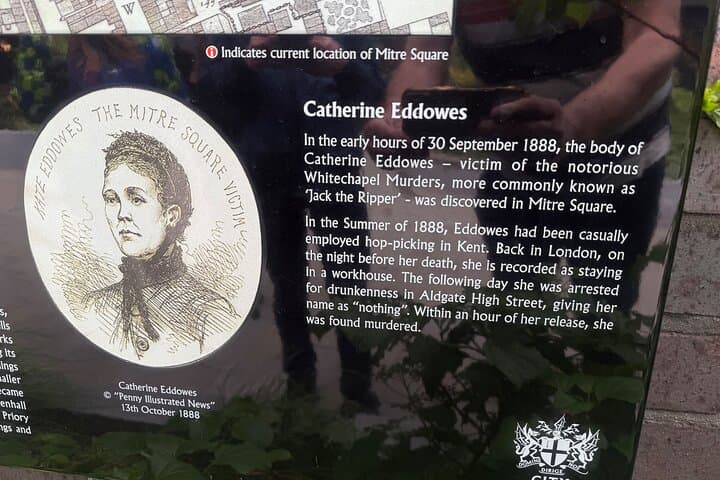
This 2½-hour pub crawl threads through the same streets where the 1888 murders shocked Victorian London. Guides keep the tone factual: they outline the timeline of at least five women killed that autumn, explain investigative limits of period policing, and point to the buildings and pub interiors that stood — and sometimes still stand — when the victims lived nearby.
Geography plays a role: the dense street grid, alleyways and proximity to the river shaped escape routes and witness accounts. Culture and class are central themes; the tour discusses poverty, the cost of lodging, and how social conditions made East London both vibrant and vulnerable in the late 19th century.
Practicalities are straightforward. Expect 1.5–2 miles of mostly flat walking between three venues; the tour includes one beer or soft drink at each pub. Groups are small, the guide relies on public-transport access and asks travelers to carry ID for alcohol service. Wear sturdy shoes for cobbles and damp weather, and budget extra time if you want to linger for photos or to hear extended anecdotes.
The experience balances true-crime intrigue with local history: you’ll leave having learned about the victims’ lives, why leads ran cold, and the surviving fabric of Whitechapel’s streets — not a sensational re-enactment, but a grounded exploration of a fraught chapter of city history.
easy.
2–3 hours.
Light walking ability; able to stand for short talks and walk up to 2 miles on mostly flat terrain.
The content discusses real violent crimes and may be upsetting; organizers typically recommend it for older teens and adults.
About 1.5–2 miles over flat, urban terrain with frequent stops inside pubs and at sites.
Yes — one beer or soft drink is provided at each of the three pubs visited.
Full refund available if you cancel at least 24 hours before the scheduled departure time per the operator's policy.
The Whitechapel murders of 1888 exposed gaps in policing and highlighted social inequality in Victorian London, prompting later reforms in policing and social services.
The area preserves many 19th-century buildings; visitors are asked to respect private property and historic interiors to limit wear on original features.
Compleat Walks operates guided outdoor trips and adventures with an emphasis on safety, stewardship, and memorable experiences.
The narrow lanes off Whitechapel Road hold a different London after dusk — fog slides between lamp posts, the Thames breathes near the docks, and the low hum of city life presses against stained-glass windows of century-old pubs.
The narrow lanes off Whitechapel Road hold a different London after dusk — fog slides between lamp posts, the Thames breathes near the docks, and the low hum of city life presses against stained-glass windows of century-old pubs.
This 2½-hour pub crawl threads through the same streets where the 1888 murders shocked Victorian London. Guides keep the tone factual: they outline the timeline of at least five women killed that autumn, explain investigative limits of period policing, and point to the buildings and pub interiors that stood — and sometimes still stand — when the victims lived nearby.
Geography plays a role: the dense street grid, alleyways and proximity to the river shaped escape routes and witness accounts. Culture and class are central themes; the tour discusses poverty, the cost of lodging, and how social conditions made East London both vibrant and vulnerable in the late 19th century.
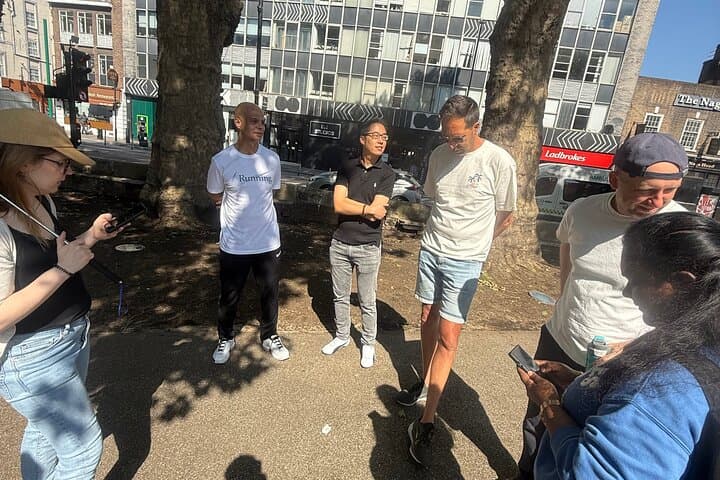
Practicalities are straightforward. Expect 1.5–2 miles of mostly flat walking between three venues; the tour includes one beer or soft drink at each pub. Groups are small, the guide relies on public-transport access and asks travelers to carry ID for alcohol service. Wear sturdy shoes for cobbles and damp weather, and budget extra time if you want to linger for photos or to hear extended anecdotes.
The experience balances true-crime intrigue with local history: you’ll leave having learned about the victims’ lives, why leads ran cold, and the surviving fabric of Whitechapel’s streets — not a sensational re-enactment, but a grounded exploration of a fraught chapter of city history.