THE ADVENTURE COLLECTIVE® · Independent discovery and booking for outdoor travel

Walk the lanes of Whitechapel with an expert in Victorian costume and trace the events, places and social forces behind the 1888 Jack the Ripper cases. This private 2½-hour tour combines forensic detail with local history and practical route knowledge.
Walk the lanes of Whitechapel with an expert in Victorian costume and trace the events, places and social forces behind the 1888 Jack the Ripper cases. This private 2½-hour tour combines forensic detail with local history and practical route knowledge.
The evening air in Whitechapel carries a different cadence: narrow lanes hunch close as gaslight would have, brick walls keep secrets, and the city’s modern hum filters through like a distant tide. On this private 2½-hour walk you move through the same streets where the 1888 murders shocked Victorian London, guided by a costumed expert who maps facts, suspects and the social geography of the time.
Verified experiences and guided adventures in the surrounding area.
Operated by Jack the Ripper Walks · London, England
The evening air in Whitechapel carries a different cadence: narrow lanes hunch close as gaslight would have, brick walls keep secrets, and the city’s modern hum filters through like a distant tide. On this private 2½-hour walk you move through the same streets where the 1888 murders shocked Victorian London, guided by a costumed expert who maps facts, suspects and the social geography of the time.
Whitechapel’s story is as much social history as it is crime: overcrowded lodging houses, workhouses and the industrial pull of the East End created the conditions that made the district both vibrant and vulnerable. Geologically the area sits on riverine alluvium from the Thames estuary; narrow cobbles and reclaimed marshland shaped streets and building foundations. Brick Lane and surrounding courts evolved from immigrant trades and market culture — Huguenot weavers, Jewish tailors, and later Bangladeshi restaurateurs each left visible marks on the neighborhood’s character.
Expect stops at Mitre Square, the sites linked to the canonical victims, and quieter courtyards where letters and rumours formed part of the case. The guide places suspects, press hysteria and policing changes in context rather than sensationalizing. Practical notes: the tour is predominantly on foot over uneven pavements and short alleyways; wear solid shoes and carry a small light—parts can feel dim after dusk. Public transit access is straightforward (Liverpool Street and Aldgate East nearby), and tours finish within easy reach of central stations. This is an urban history walk: bring curiosity, respect local residents, and allow time afterwards to explore Brick Lane’s food stalls and street art.
moderate.
2–2.5 hours.
Requires moderate fitness: steady walking for up to 2.5 hours with short standing stops
The guide suggests a minimum age of about 12 due to mature subject matter and pace; parents should judge individual readiness.
The operator marks the tour as wheelchair accessible, but note that some alleyways and pavements are uneven—contact the provider to confirm specific route adjustments.
Stops are on or very near the historic locations; some original buildings no longer exist, so the guide uses nearby courtyards and street corners to explain events.
Yes—photography is allowed, though be mindful of residents, businesses, and the sensitive nature of the subject.
Whitechapel was a dense working-class quarter in Victorian London where industrialization, poverty and transient populations converged—conditions central to the Jack the Ripper cases and policing reforms that followed.
Visitors are encouraged to stick to public paths, avoid touching plaques or memorial stones, and support local businesses; preserving fragile historic fabric requires respectful behavior and minimal impact.
Jack the Ripper Walks operates guided outdoor trips and adventures with an emphasis on safety, stewardship, and memorable experiences.
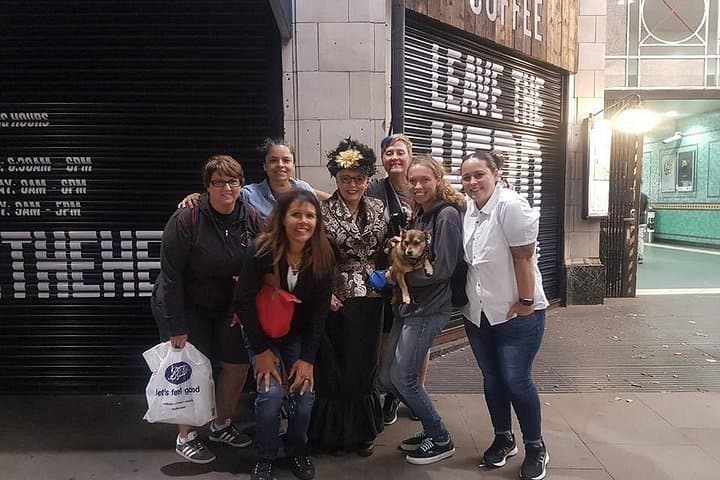
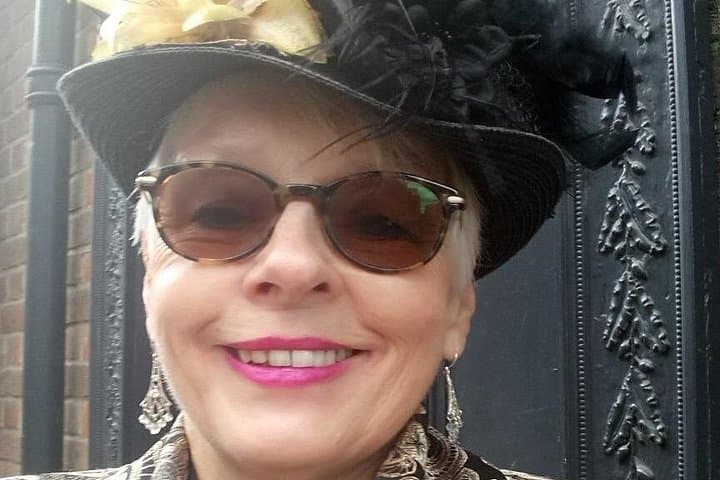
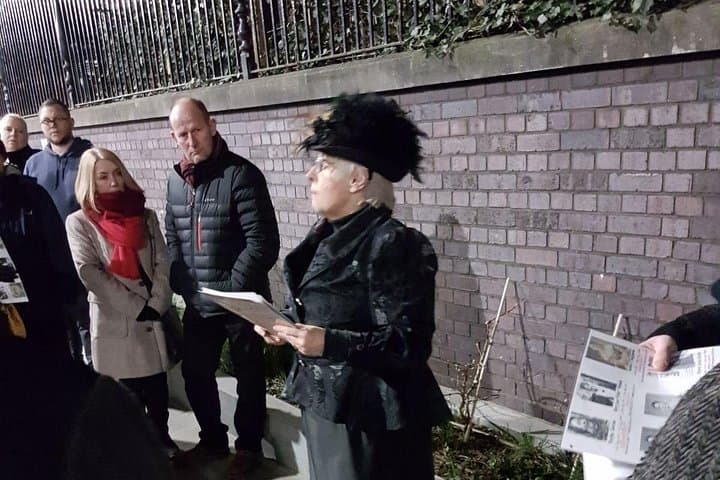
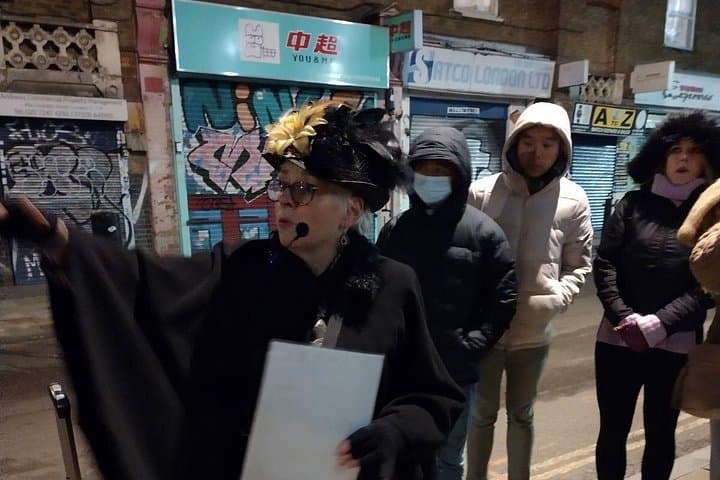
The evening air in Whitechapel carries a different cadence: narrow lanes hunch close as gaslight would have, brick walls keep secrets, and the city’s modern hum filters through like a distant tide. On this private 2½-hour walk you move through the same streets where the 1888 murders shocked Victorian London, guided by a costumed expert who maps facts, suspects and the social geography of the time.
The evening air in Whitechapel carries a different cadence: narrow lanes hunch close as gaslight would have, brick walls keep secrets, and the city’s modern hum filters through like a distant tide. On this private 2½-hour walk you move through the same streets where the 1888 murders shocked Victorian London, guided by a costumed expert who maps facts, suspects and the social geography of the time.
Whitechapel’s story is as much social history as it is crime: overcrowded lodging houses, workhouses and the industrial pull of the East End created the conditions that made the district both vibrant and vulnerable. Geologically the area sits on riverine alluvium from the Thames estuary; narrow cobbles and reclaimed marshland shaped streets and building foundations. Brick Lane and surrounding courts evolved from immigrant trades and market culture — Huguenot weavers, Jewish tailors, and later Bangladeshi restaurateurs each left visible marks on the neighborhood’s character.
Expect stops at Mitre Square, the sites linked to the canonical victims, and quieter courtyards where letters and rumours formed part of the case. The guide places suspects, press hysteria and policing changes in context rather than sensationalizing. Practical notes: the tour is predominantly on foot over uneven pavements and short alleyways; wear solid shoes and carry a small light—parts can feel dim after dusk. Public transit access is straightforward (Liverpool Street and Aldgate East nearby), and tours finish within easy reach of central stations. This is an urban history walk: bring curiosity, respect local residents, and allow time afterwards to explore Brick Lane’s food stalls and street art.