THE ADVENTURE COLLECTIVE® · Independent discovery and booking for outdoor travel

Drive through the narrow lanes of Whitechapel and Spitalfields on a private taxi tour that traces the 1888 Jack the Ripper case. Small-group, hotel pickup and guided stops at historic sites including the Ten Bells pub.
Drive through the narrow lanes of Whitechapel and Spitalfields on a private taxi tour that traces the 1888 Jack the Ripper case. Small-group, hotel pickup and guided stops at historic sites including the Ten Bells pub.
A low, damp fog presses against the taxi's windows as you glide through the lane-stitched heart of Whitechapel. Street lamps cut narrow slices of light across cobbles; the Thames exhales in the distance. Your driver-guide pauses where alleys constrict, pointing out doorways, courts and the Ten Bells pub — places that held lives and rumor in 1888.
Verified experiences and guided adventures in the surrounding area.
Operated by Visit London Taxi Tours · London, Greater London
A low, damp fog presses against the taxi's windows as you glide through the lane-stitched heart of Whitechapel. Street lamps cut narrow slices of light across cobbles; the Thames exhales in the distance. Your driver-guide pauses where alleys constrict, pointing out doorways, courts and the Ten Bells pub — places that held lives and rumor in 1888.
The tour moves between geography and history: the East End's cramped housing, Victorian sewage and a river that once turned the marshy fringe into a dense, shadowed quarter. In that pressure-cooker, prostitution, poverty and policing intersected — the setting in which the Jack the Ripper murders shocked a growing metropolis and a print-hungry world. Spitalfields and Brick Lane retain Georgian brickwork, market fronts and pubs that remember those nights; the Ten Bells still draws questions as much as pints.
Culturally the area is layered — immigrant markets atop Victorian foundations, street art and curry houses rubbing shoulders with preserved alleys. The taxi format lets you cover ground quickly, stopping at key sites where the guide reconstructs social context rather than sensationalizing violence.
Practicalities: tours run about four hours with flexible pickup in central London, small private groups and mostly roadside stops. Bring comfortable shoes for short walks, a rain layer, and sensitivity: these are real victims and working-class neighborhoods, not set pieces. Photography is fine but heed your guide. Timing early evening thickens atmosphere; midday offers clearer viewing and easier crowds. Expect a mix of urban history, tight streets, and a guided narrative that asks more questions than it answers.
easy.
4 hours.
Minimal fitness required; mostly seated in a taxi with short walks on uneven cobbles
The private taxi picks you up from a central London hotel or agreed central location and can drop you off anywhere in central London at the end.
Yes; vehicles and routes are described as wheelchair accessible but check pickup logistics when booking to confirm suitability.
Bookings are limited to a maximum of five people per private taxi tour for comfort and access to narrow streets.
Guides focus on historical context and locations; while the subject is violent, most guides avoid gratuitous graphic detail and emphasize social history.
The East End in 1888 was a dense industrial fringe of London where poverty, transient labor and poor sanitation shaped daily life — the backdrop for the Ripper crimes and the era's sensational press.
Respect for residents and heritage buildings matters; avoid touching fragile façades, and support local businesses rather than treating streets as a set for entertainment.
Visit London Taxi Tours operates guided outdoor trips and adventures with an emphasis on safety, stewardship, and memorable experiences.
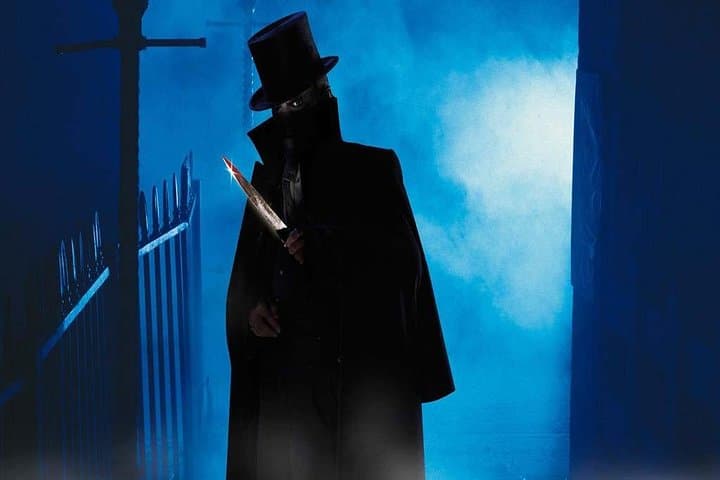
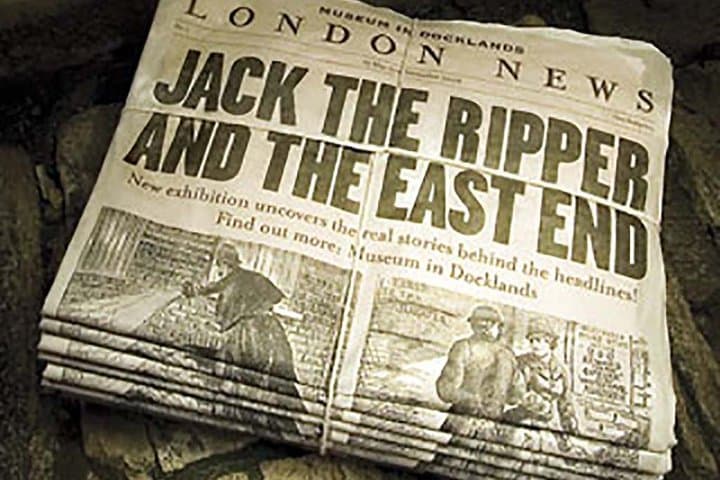
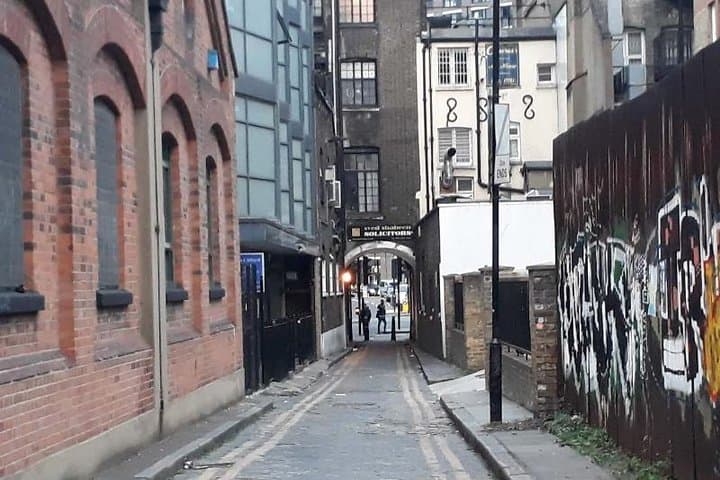
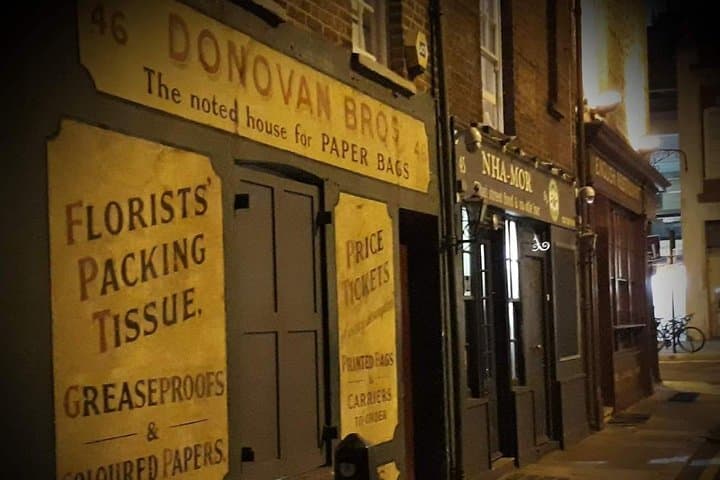
A low, damp fog presses against the taxi's windows as you glide through the lane-stitched heart of Whitechapel. Street lamps cut narrow slices of light across cobbles; the Thames exhales in the distance. Your driver-guide pauses where alleys constrict, pointing out doorways, courts and the Ten Bells pub — places that held lives and rumor in 1888.
A low, damp fog presses against the taxi's windows as you glide through the lane-stitched heart of Whitechapel. Street lamps cut narrow slices of light across cobbles; the Thames exhales in the distance. Your driver-guide pauses where alleys constrict, pointing out doorways, courts and the Ten Bells pub — places that held lives and rumor in 1888.
The tour moves between geography and history: the East End's cramped housing, Victorian sewage and a river that once turned the marshy fringe into a dense, shadowed quarter. In that pressure-cooker, prostitution, poverty and policing intersected — the setting in which the Jack the Ripper murders shocked a growing metropolis and a print-hungry world. Spitalfields and Brick Lane retain Georgian brickwork, market fronts and pubs that remember those nights; the Ten Bells still draws questions as much as pints.
Culturally the area is layered — immigrant markets atop Victorian foundations, street art and curry houses rubbing shoulders with preserved alleys. The taxi format lets you cover ground quickly, stopping at key sites where the guide reconstructs social context rather than sensationalizing violence.
Practicalities: tours run about four hours with flexible pickup in central London, small private groups and mostly roadside stops. Bring comfortable shoes for short walks, a rain layer, and sensitivity: these are real victims and working-class neighborhoods, not set pieces. Photography is fine but heed your guide. Timing early evening thickens atmosphere; midday offers clearer viewing and easier crowds. Expect a mix of urban history, tight streets, and a guided narrative that asks more questions than it answers.