THE ADVENTURE COLLECTIVE® · Independent discovery and booking for outdoor travel

Walk the streets of Whitechapel with a private guide, hi‑tech headphones and a backlit tablet as prerecorded scenes from 1888 bring the Jack the Ripper case to life. This 2.5‑hour immersive tour pairs historical detail with practical logistics for an after‑dark urban walk.
Walk the streets of Whitechapel with a private guide, hi‑tech headphones and a backlit tablet as prerecorded scenes from 1888 bring the Jack the Ripper case to life. This 2.5‑hour immersive tour pairs historical detail with practical logistics for an after‑dark urban walk.
A late‑evening hush hangs over Whitechapel as your guide fits each visitor with hi‑tech headphones and a backlit tablet. Cobblestones glint under streetlight; voices from 1888 slip through the earpiece—police calls, street vendors, the distant music of music halls—pulling the neighbourhood’s past into the present.
Verified experiences and guided adventures in the surrounding area.
Operated by Jack the Ripper Walks · London, Greater London
A late‑evening hush hangs over Whitechapel as your guide fits each visitor with hi‑tech headphones and a backlit tablet. Cobblestones glint under streetlight; voices from 1888 slip through the earpiece—police calls, street vendors, the distant music of music halls—pulling the neighbourhood’s past into the present.
The tour traces the city where the canonical five murders unfolded in autumn 1888. Whitechapel then was overcrowded, with common lodging houses, workhouses and a raw street economy that the Victorian press sensationalised. The route moves past sites tied to Polly Nichols, Annie Chapman, Elizabeth Stride, Catherine Eddowes and Mary Kelly, and touches on the split policing of the Metropolitan and City forces and the role of contemporary newspapers in shaping public outrage.
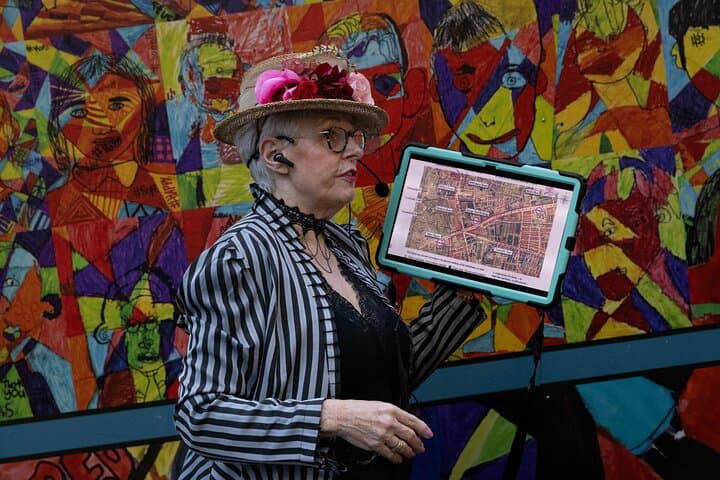
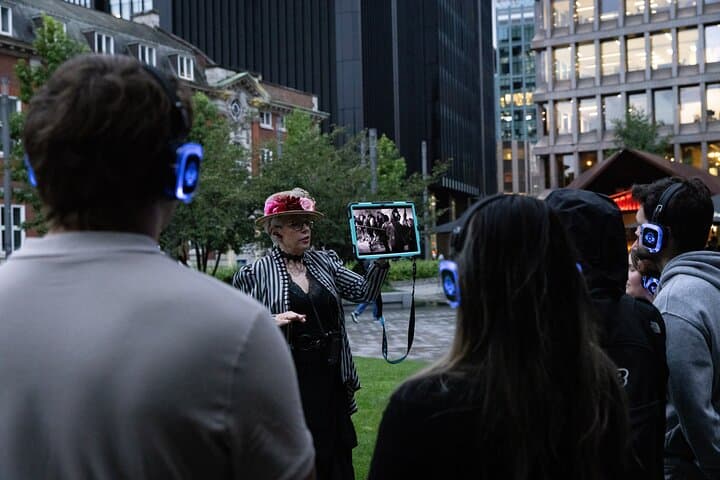
This private, 2.5‑hour walk blends on‑site narration with prerecorded reconstructions and historical photographs shown on a 14" tablet—an approach designed for after‑dark clarity. Expect narrow alleys, uneven paving and dim lighting; the guide will pause at doorways, yard entrances and the fruit and wool exchange courtyard where Mary Kelly’s murder is discussed.
Practical details: the experience lasts about 150 minutes, requires moderate mobility and includes hi‑tech headphones. It’s wheelchair accessible but involves lengthy standing; not recommended for those with serious heart conditions. Wear sturdy shoes, dress for rain and carry a small power bank to keep devices charged. Tours commonly finish near Liverpool Street station—plan onward travel accordingly.
The walk is historical first and sensational second: approach it with curiosity and respect for the victims and the living community that now occupies these streets.
moderate.
2–2.5 hours.
Participants should be able to stand and walk at a relaxed pace for up to 2.5 hours and manage short stair/curb climbs.
Yes—this operator lists the route as wheelchair accessible, but confirm specific start locations and any temporary streetworks when booking.
Yes—hi‑tech headphones and a backlit 14" tablet with historical photos are included in the experience.
Content can be graphic; while there is no strict lower age limit, parental discretion is advised for children.
Full refund is typically available if you cancel at least 24 hours before the scheduled departure; check the booking confirmation for details.
The Whitechapel murders of 1888 were amplified by sensational newspapers and complicated by jurisdictional divisions between the Metropolitan and City of London police forces.
This area is a living neighbourhood—respect private property and memorials, support local businesses, and avoid intrusive photography at sensitive sites.
Jack the Ripper Walks operates guided outdoor trips and adventures with an emphasis on safety, stewardship, and memorable experiences.
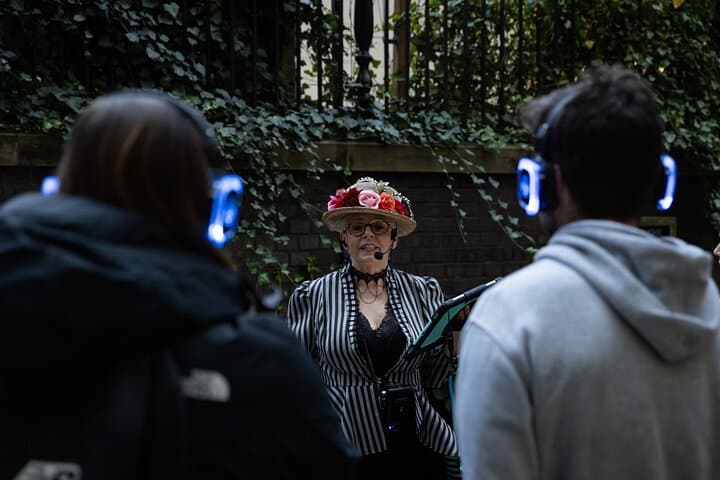
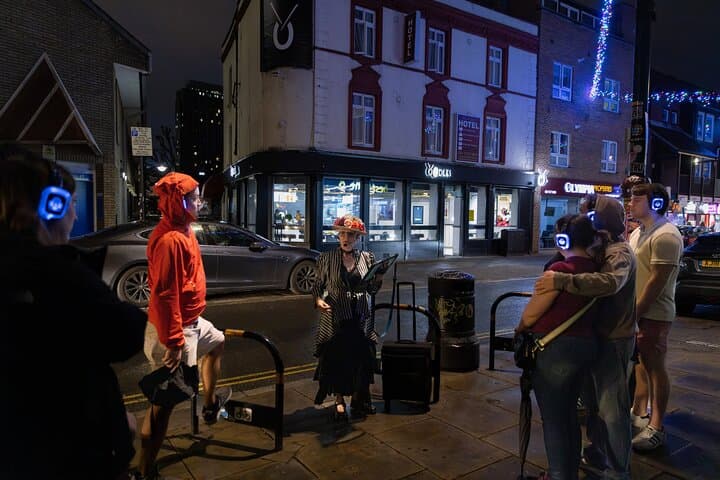
A late‑evening hush hangs over Whitechapel as your guide fits each visitor with hi‑tech headphones and a backlit tablet. Cobblestones glint under streetlight; voices from 1888 slip through the earpiece—police calls, street vendors, the distant music of music halls—pulling the neighbourhood’s past into the present.
A late‑evening hush hangs over Whitechapel as your guide fits each visitor with hi‑tech headphones and a backlit tablet. Cobblestones glint under streetlight; voices from 1888 slip through the earpiece—police calls, street vendors, the distant music of music halls—pulling the neighbourhood’s past into the present.
The tour traces the city where the canonical five murders unfolded in autumn 1888. Whitechapel then was overcrowded, with common lodging houses, workhouses and a raw street economy that the Victorian press sensationalised. The route moves past sites tied to Polly Nichols, Annie Chapman, Elizabeth Stride, Catherine Eddowes and Mary Kelly, and touches on the split policing of the Metropolitan and City forces and the role of contemporary newspapers in shaping public outrage.
This private, 2.5‑hour walk blends on‑site narration with prerecorded reconstructions and historical photographs shown on a 14" tablet—an approach designed for after‑dark clarity. Expect narrow alleys, uneven paving and dim lighting; the guide will pause at doorways, yard entrances and the fruit and wool exchange courtyard where Mary Kelly’s murder is discussed.
Practical details: the experience lasts about 150 minutes, requires moderate mobility and includes hi‑tech headphones. It’s wheelchair accessible but involves lengthy standing; not recommended for those with serious heart conditions. Wear sturdy shoes, dress for rain and carry a small power bank to keep devices charged. Tours commonly finish near Liverpool Street station—plan onward travel accordingly.
The walk is historical first and sensational second: approach it with curiosity and respect for the victims and the living community that now occupies these streets.