THE ADVENTURE COLLECTIVE® · Independent discovery and booking for outdoor travel

Walk the lanes of Whitechapel with a victim-focused detective pack in hand. This interactive night tour combines archival case files and expert commentary to explore the lives behind the headlines of Victorian London.
Walk the lanes of Whitechapel with a victim-focused detective pack in hand. This interactive night tour combines archival case files and expert commentary to explore the lives behind the headlines of Victorian London.
Fog curls between gaslamps as you step off Brick Lane and into the tight alleys of East London. The pavement is damp beneath your boots; footsteps and distant voices fold into the river-breeze from the Thames. Guides hand out detective packs and case files, and the group fans out to follow the same thread of streets walked by victims more than a century ago.
Verified experiences and guided adventures in the surrounding area.
Operated by Carpe Diem Tours · London, England
Fog curls between gaslamps as you step off Brick Lane and into the tight alleys of East London. The pavement is damp beneath your boots; footsteps and distant voices fold into the river-breeze from the Thames. Guides hand out detective packs and case files, and the group fans out to follow the same thread of streets walked by victims more than a century ago.
Whitechapel and Spitalfields were booming, overcrowded pockets of Victorian London where poverty and migration shaped daily life. The walk traces real addresses, narrow passages like Puma Court and Gunthorpe Street, and the pubs and churches that appear in police notes and witness accounts. Geology is absent here; the experience is urban history—brick, cobbles, and the industrial residue of a growing metropolis that both sheltered and endangered its poorest.
The tour is victim-centric: it foregrounds the lives and hardships of the women targeted rather than sensationalizing the killer. An expert guide contextualizes social conditions, policing limits of the era, and how reportage shaped the myth of Jack the Ripper.
Practically, expect a steady two-and-a-half-hour outdoor walk across uneven cobbles and narrow lanes, often at night. Wear sturdy shoes, dress in layers, and bring a charged phone for the interactive materials. Groups are typically 10–25 people; the experience is largely storytelling and on-foot investigation—no forensic work required.
This is equal parts local history lesson and guided mystery: bring curiosity and respect for the real people whose lives you’re tracing.
easy.
2–3 hours.
Suitable for most fitness levels; requires standing and 2–3 hours of on-foot walking over uneven pavement.
Meeting points vary by operator but are typically on or near Brick Lane or Whitechapel High Street; confirm the exact address on your ticket.
Families can attend, but the content deals with violent crimes and may be disturbing for young children—parental discretion advised.
Full refunds are available if you cancel at least 24 hours before the scheduled departure; confirm specifics on your booking confirmation.
Yes—mobile or paper tickets are accepted, but the operator often specifies mobile tickets for instant confirmation.
Whitechapel and Spitalfields were dense Victorian slums shaped by immigration, industrial jobs, and severe poverty—conditions central to the Ripper-era narrative.
Small-footprint walking tours rely on preserving historic lanes and supporting local businesses; behave respectfully, stick to paths, and avoid graffiti or damage.
Carpe Diem Tours operates guided outdoor trips and adventures with an emphasis on safety, stewardship, and memorable experiences.
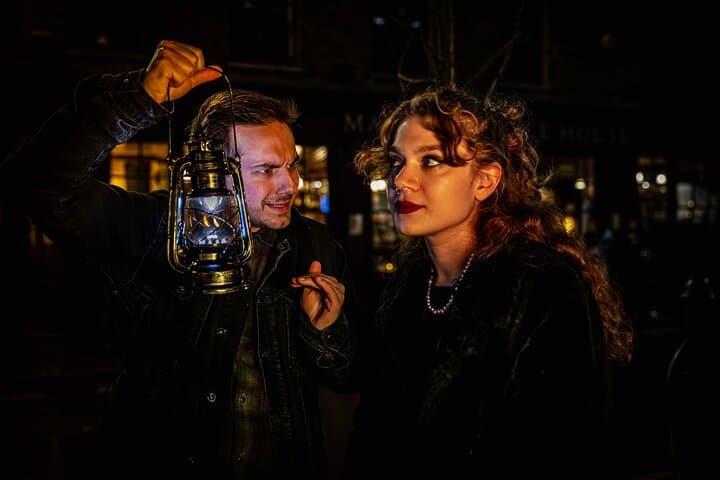
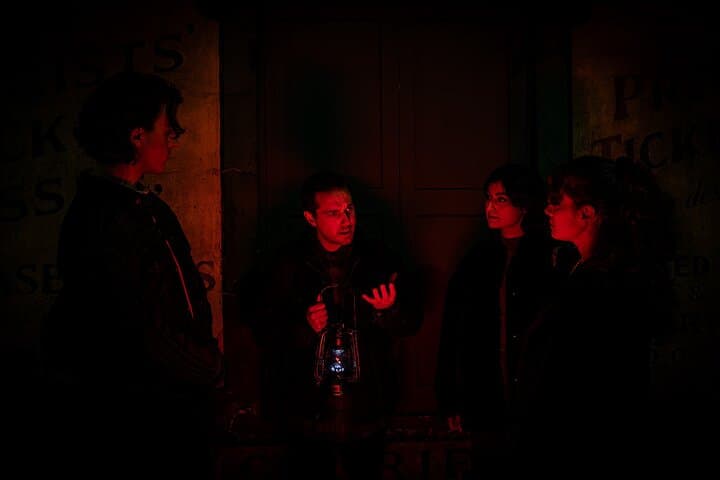

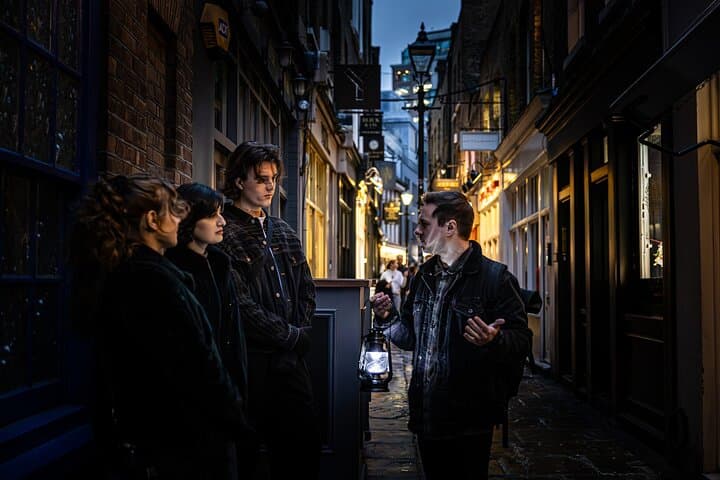
Fog curls between gaslamps as you step off Brick Lane and into the tight alleys of East London. The pavement is damp beneath your boots; footsteps and distant voices fold into the river-breeze from the Thames. Guides hand out detective packs and case files, and the group fans out to follow the same thread of streets walked by victims more than a century ago.
Fog curls between gaslamps as you step off Brick Lane and into the tight alleys of East London. The pavement is damp beneath your boots; footsteps and distant voices fold into the river-breeze from the Thames. Guides hand out detective packs and case files, and the group fans out to follow the same thread of streets walked by victims more than a century ago.
Whitechapel and Spitalfields were booming, overcrowded pockets of Victorian London where poverty and migration shaped daily life. The walk traces real addresses, narrow passages like Puma Court and Gunthorpe Street, and the pubs and churches that appear in police notes and witness accounts. Geology is absent here; the experience is urban history—brick, cobbles, and the industrial residue of a growing metropolis that both sheltered and endangered its poorest.
The tour is victim-centric: it foregrounds the lives and hardships of the women targeted rather than sensationalizing the killer. An expert guide contextualizes social conditions, policing limits of the era, and how reportage shaped the myth of Jack the Ripper.
Practically, expect a steady two-and-a-half-hour outdoor walk across uneven cobbles and narrow lanes, often at night. Wear sturdy shoes, dress in layers, and bring a charged phone for the interactive materials. Groups are typically 10–25 people; the experience is largely storytelling and on-foot investigation—no forensic work required.
This is equal parts local history lesson and guided mystery: bring curiosity and respect for the real people whose lives you’re tracing.