THE ADVENTURE COLLECTIVE® · Independent discovery and booking for outdoor travel

Trace the east London streets where the 1888 Whitechapel crimes unfolded. This two-hour guided walk pairs social history with forensic detail while moving through Brick Lane, local pubs and market lanes.
Trace the east London streets where the 1888 Whitechapel crimes unfolded. This two-hour guided walk pairs social history with forensic detail while moving through Brick Lane, local pubs and market lanes.
The tour begins in the grinding half-light of an East End afternoon, when alleyways shallow the sun and the curving shadow of the Thames seems to press the streets inward.
Verified experiences and guided adventures in the surrounding area.
Operated by See Your City · London, England
The tour begins in the grinding half-light of an East End afternoon, when alleyways shallow the sun and the curving shadow of the Thames seems to press the streets inward.
Walkers follow narrow pavements where gaslight once fought fog, led by a guide who stitches together names, dates and the lived realities of 1888 Whitechapel. The story is at once social — overcrowded housing, dock labor and the immigrant communities that shaped Brick Lane — and forensic: early policing methods, sensational press coverage and the limits of Victorian medicine.
Geologically the area sits on reclaimed marsh and river silts of the Thames estuary; that lowland soil shaped dock development, narrow streets and a landscape of cellars and alleys that feel close to the ground.
Culturally the route shifts from market thoroughfares to old taverns and current-day curry houses, offering contrast between the Victorian era and the contemporary, multicultural East End.
Practical guidance: expect about two hours on easy, flat urban pavement covering roughly 1.5–2 miles with multiple short stops. Public transport access is strong (Aldgate East, Whitechapel, Liverpool Street). The tour is wheelchair accessible and suitable for most fitness levels, but bring a charged phone for your mobile ticket and local map. Evenings can be chilly and wet — layer and wear sturdy shoes. Guides focus on documented history and well-known interpretations; tours do not enter paid attractions. Cancellation is possible up to 24 hours in advance.
easy.
2 hours.
Suitable for most people who can walk 1.5–2 miles on flat pavement; minimal stamina required.
The tour lasts about two hours and covers roughly 1.5–2 miles on mostly flat, paved streets with several short stops.
Yes — the tour is described as easy and wheelchair accessible, though parents should consider age-appropriate content for younger children.
Tours typically start in the Whitechapel/Brick Lane area; nearby stations include Aldgate East, Whitechapel and Liverpool Street with multiple bus routes close by.
Yes — exterior photography is generally allowed; guides may advise against photographing private property or patrons inside active pubs.
Whitechapel in 1888 was a dense mix of dockworkers, recent immigrants and poverty; the Ripper cases exposed limits in policing and sparked intense media coverage.
The East End balances tourism with everyday community life—respect local businesses, avoid trespassing, and follow guides’ directions to minimize disruption.
See Your City operates guided outdoor trips and adventures with an emphasis on safety, stewardship, and memorable experiences.
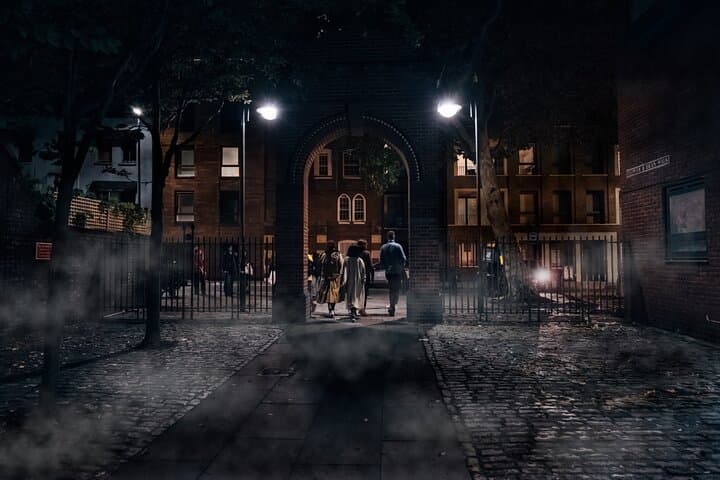
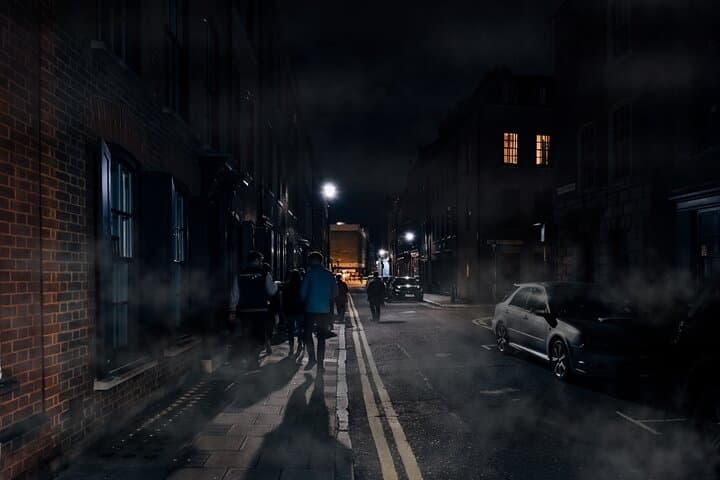
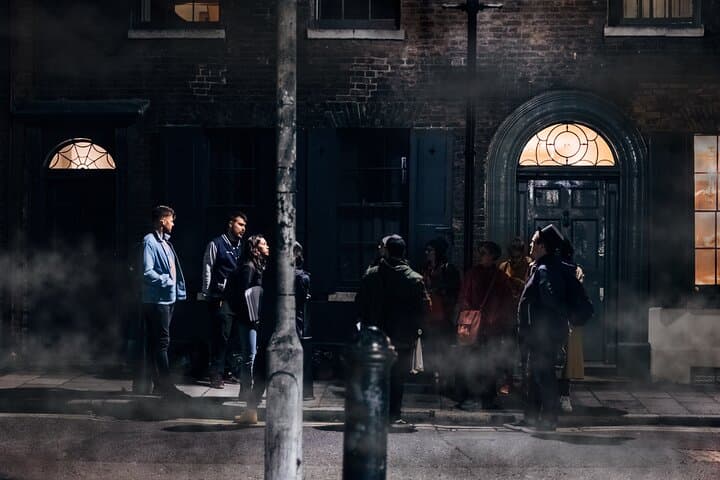
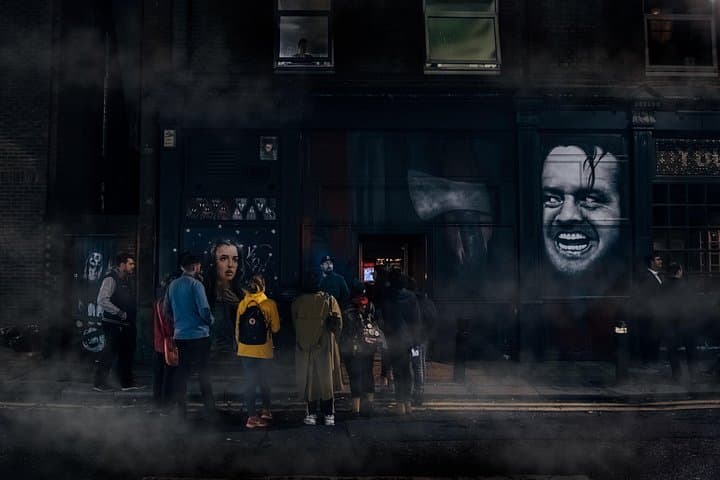
The tour begins in the grinding half-light of an East End afternoon, when alleyways shallow the sun and the curving shadow of the Thames seems to press the streets inward.
The tour begins in the grinding half-light of an East End afternoon, when alleyways shallow the sun and the curving shadow of the Thames seems to press the streets inward.
Walkers follow narrow pavements where gaslight once fought fog, led by a guide who stitches together names, dates and the lived realities of 1888 Whitechapel. The story is at once social — overcrowded housing, dock labor and the immigrant communities that shaped Brick Lane — and forensic: early policing methods, sensational press coverage and the limits of Victorian medicine.
Geologically the area sits on reclaimed marsh and river silts of the Thames estuary; that lowland soil shaped dock development, narrow streets and a landscape of cellars and alleys that feel close to the ground.
Culturally the route shifts from market thoroughfares to old taverns and current-day curry houses, offering contrast between the Victorian era and the contemporary, multicultural East End.
Practical guidance: expect about two hours on easy, flat urban pavement covering roughly 1.5–2 miles with multiple short stops. Public transport access is strong (Aldgate East, Whitechapel, Liverpool Street). The tour is wheelchair accessible and suitable for most fitness levels, but bring a charged phone for your mobile ticket and local map. Evenings can be chilly and wet — layer and wear sturdy shoes. Guides focus on documented history and well-known interpretations; tours do not enter paid attractions. Cancellation is possible up to 24 hours in advance.