THE ADVENTURE COLLECTIVE® · Independent discovery and booking for outdoor travel

Walk the streets of Whitechapel with a private expert guide and visit the main Jack the Ripper locations by day. Choose a 3‑hour overview or a 4‑hour deep dive that finishes in a Victorian pub tied to the case.
Walk the streets of Whitechapel with a private expert guide and visit the main Jack the Ripper locations by day. Choose a 3‑hour overview or a 4‑hour deep dive that finishes in a Victorian pub tied to the case.
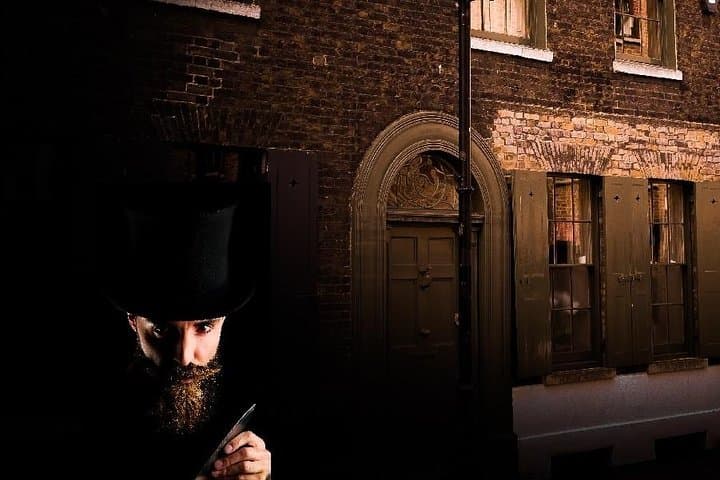
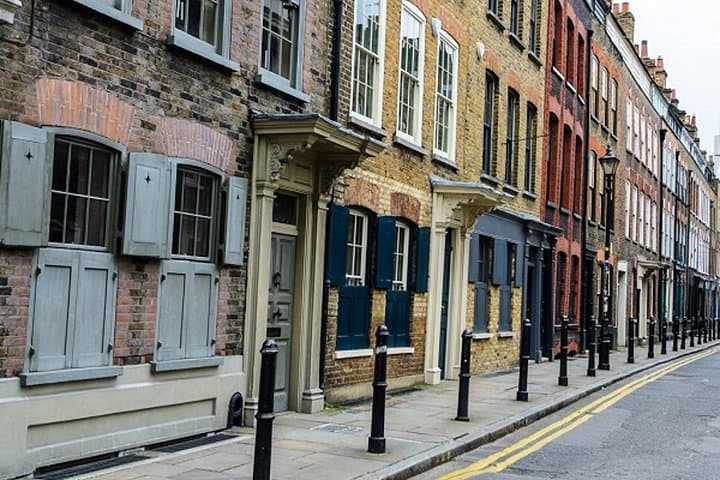
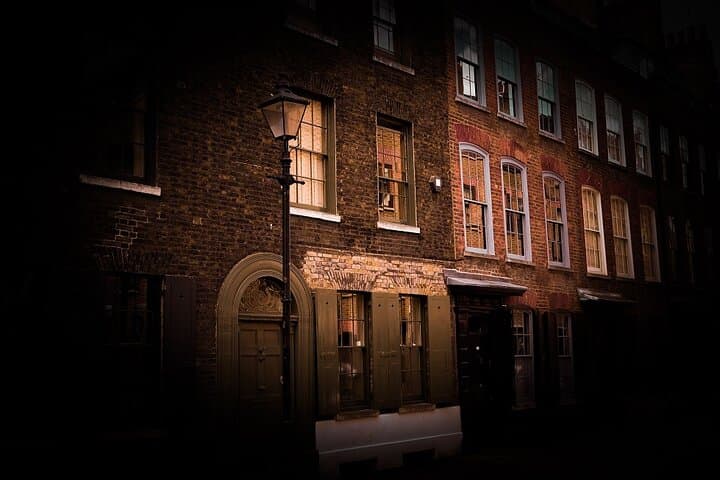
Fog clings to the cobbles as the group steps away from Aldgate East Station; the city’s hum recedes and the narrow alleys take over, their brick walls holding the weight of late‑Victorian London. A private guide leads the way, matching pace to interest, stopping at doorways and pubs where witness statements once centered and the city’s past feels immediate.
Verified experiences and guided adventures in the surrounding area.
Operated by Richards Tours · London, England
Fog clings to the cobbles as the group steps away from Aldgate East Station; the city’s hum recedes and the narrow alleys take over, their brick walls holding the weight of late‑Victorian London. A private guide leads the way, matching pace to interest, stopping at doorways and pubs where witness statements once centered and the city’s past feels immediate.
The tour threads together history and urban change: the Huguenot weavers who populated Spitalfields, the overcrowded lodging houses of the 1880s, and the policing and forensic limits of the period that left the Autumn of Terror—1888—part unsolved case study, part folklore. Geology here is subtle—reclaimed marshland shaped streets and drainage patterns, and old market lanes reflect medieval property lines. Cultural notes surface in the form of surviving Victorian pubs and the East End’s resilient immigrant communities, now layered with galleries and markets.
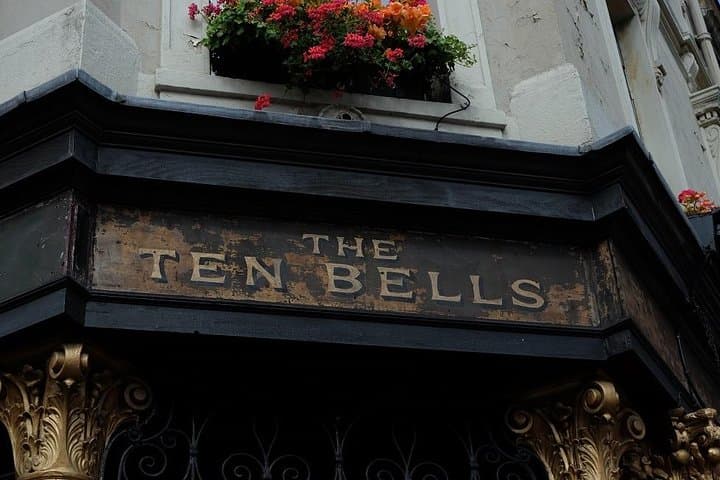
Practical guidance is clear: two durations are offered—about three hours for a concise overview or four hours for a deeper, more walking‑intensive route that visits additional sites like Mitre Square and the Ten Bells. Meet at Aldgate East; wear grippy shoes for uneven cobbles and bring a rain layer. Expect urban walking on paved streets and short alleys with frequent stops for commentary and photographs. The guide encourages respectful curiosity—these locations are still part of local life—and finishes in a traditional pub to discuss suspects and evidence. Best taken during daylight for clearer context and easier access to sites.
easy.
3–4 hours.
Light to moderate — suitable for most people who can walk on city streets for up to four hours with short breaks
The meeting point is Aldgate East Station; the guide will meet the group there and begin the walking route on foot.
Yes—content includes historical crime details, so parental discretion is advised; physically it’s suitable for children who can walk for up to four hours with breaks.
Many areas are on public streets and are accessible, but some alleyways and cobbles may be uneven—contact the operator to discuss specific accessibility needs.
Hotel pickup/drop‑off is offered where logistically possible—confirm at booking with the pickup address.
The Whitechapel area in 1888 combined dense poverty, migration and poorly policed streets—conditions that framed the Jack the Ripper murders and shaped subsequent policing reforms.
Respect for historic streets and local residents is emphasized; avoid touching memorials, keep litter to a minimum, and support local businesses visited during the route.
Richards Tours operates guided outdoor trips and adventures with an emphasis on safety, stewardship, and memorable experiences.
Fog clings to the cobbles as the group steps away from Aldgate East Station; the city’s hum recedes and the narrow alleys take over, their brick walls holding the weight of late‑Victorian London. A private guide leads the way, matching pace to interest, stopping at doorways and pubs where witness statements once centered and the city’s past feels immediate.
Fog clings to the cobbles as the group steps away from Aldgate East Station; the city’s hum recedes and the narrow alleys take over, their brick walls holding the weight of late‑Victorian London. A private guide leads the way, matching pace to interest, stopping at doorways and pubs where witness statements once centered and the city’s past feels immediate.
The tour threads together history and urban change: the Huguenot weavers who populated Spitalfields, the overcrowded lodging houses of the 1880s, and the policing and forensic limits of the period that left the Autumn of Terror—1888—part unsolved case study, part folklore. Geology here is subtle—reclaimed marshland shaped streets and drainage patterns, and old market lanes reflect medieval property lines. Cultural notes surface in the form of surviving Victorian pubs and the East End’s resilient immigrant communities, now layered with galleries and markets.
Practical guidance is clear: two durations are offered—about three hours for a concise overview or four hours for a deeper, more walking‑intensive route that visits additional sites like Mitre Square and the Ten Bells. Meet at Aldgate East; wear grippy shoes for uneven cobbles and bring a rain layer. Expect urban walking on paved streets and short alleys with frequent stops for commentary and photographs. The guide encourages respectful curiosity—these locations are still part of local life—and finishes in a traditional pub to discuss suspects and evidence. Best taken during daylight for clearer context and easier access to sites.