THE ADVENTURE COLLECTIVE® · Independent discovery and booking for outdoor travel

Walk the daytime streets of Whitechapel with a private guide and stand where the Whitechapel Murders unfolded. This 2.5-hour historical tour combines forensic headlines, local context, and accessible city walking—best taken mid-morning.
Walk the daytime streets of Whitechapel with a private guide and stand where the Whitechapel Murders unfolded. This 2.5-hour historical tour combines forensic headlines, local context, and accessible city walking—best taken mid-morning.
A late-morning chill clings to the cobbles as the guide meets the group outside an old East End pub and the city leans in: brick alleys, shopfronts, and the hush that falls where history bruised the street. The walking tour moves at a steady pace through Whitechapel, Spitalfields and Aldgate, tracing the routes of 1888 and the footprints left in newspapers and police files.
Verified experiences and guided adventures in the surrounding area.
Operated by Ye Olde England Tours · London, England
A late-morning chill clings to the cobbles as the guide meets the group outside an old East End pub and the city leans in: brick alleys, shopfronts, and the hush that falls where history bruised the street. The walking tour moves at a steady pace through Whitechapel, Spitalfields and Aldgate, tracing the routes of 1888 and the footprints left in newspapers and police files.
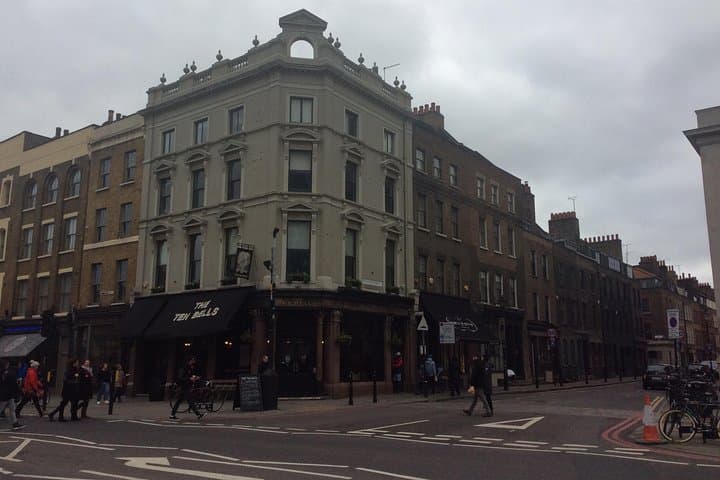
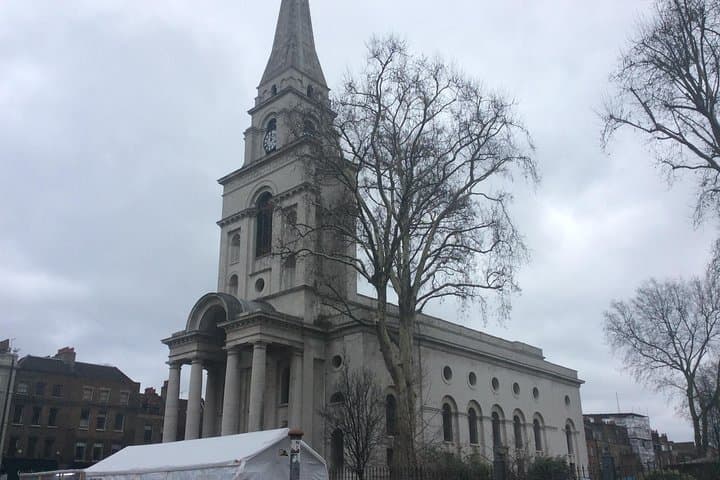
The story here is raw and local — Victorian overcrowding, casual violence, and a policing system that then lacked modern forensic tools. Visitors will stand where Mary Ann Nichols, Annie Chapman and other victims were found, pass the market that still trades and walk down lanes that held immigrant communities and soup kitchens. Geology is minor but present: reclaimed marshland edges, compacted river silt beneath narrow streets that once drained into the Thames. Cultural notes surface at every corner — synagogues and churches, public houses like the Ten Bells, and the 20th-century echoes of the Kray era.
Practically, the tour is private and lasts about 2.5 hours, running best mid-morning to avoid rush hour and to see details in daylight. Guides balance sober history with maps and context; the route is suitable for most mobility levels and is wheelchair accessible in places, but some cobbles and uneven paving remain. Wear supportive shoes, bring a compact rain layer, and allow time afterward to visit nearby museums or the market. This is a historical walk — expect somber themes, close-quarters streets, and an immersive look at a troubled chapter of London’s past.
easy.
2–3 hours.
Suitable for most fitness levels; you should be able to walk steadily for 2–3 hours with short stops.
The route is family-friendly physically, but the subject matter involves violent historical crimes; parents should assess emotional suitability for younger children.
No admissions are required for the walking route—most sites are public streets and viewpoints included in the private guiding fee.
Parts of the route are wheelchair accessible and the operator notes accessibility, but some cobbles and narrow lanes may present challenges—confirm specifics with the guide in advance.
Public transport (tube or bus) or taxi/Uber to the Aldgate/Whitechapel area is quickest; guides recommend meeting at the designated pub or starting point to avoid traffic delays.
Whitechapel in the late 19th century was densely populated with recent immigrants and extreme poverty; the Ripper murders exposed policing limits and spurred later forensic and investigative reforms.
Respect for memorial sites and public spaces is important—avoid photography that intrudes on private property and follow local guidance to protect historic fabric.
Ye Olde England Tours operates guided outdoor trips and adventures with an emphasis on safety, stewardship, and memorable experiences.
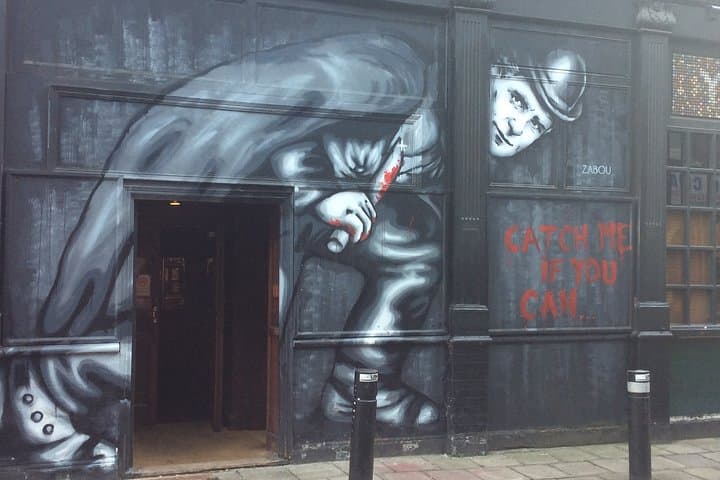
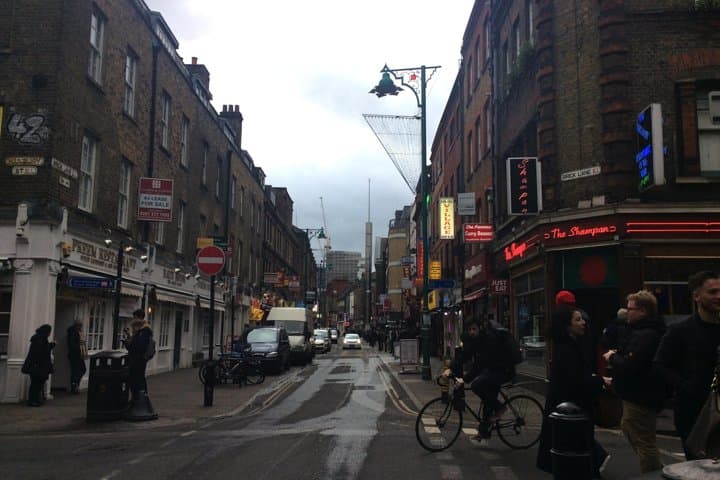
A late-morning chill clings to the cobbles as the guide meets the group outside an old East End pub and the city leans in: brick alleys, shopfronts, and the hush that falls where history bruised the street. The walking tour moves at a steady pace through Whitechapel, Spitalfields and Aldgate, tracing the routes of 1888 and the footprints left in newspapers and police files.
A late-morning chill clings to the cobbles as the guide meets the group outside an old East End pub and the city leans in: brick alleys, shopfronts, and the hush that falls where history bruised the street. The walking tour moves at a steady pace through Whitechapel, Spitalfields and Aldgate, tracing the routes of 1888 and the footprints left in newspapers and police files.
The story here is raw and local — Victorian overcrowding, casual violence, and a policing system that then lacked modern forensic tools. Visitors will stand where Mary Ann Nichols, Annie Chapman and other victims were found, pass the market that still trades and walk down lanes that held immigrant communities and soup kitchens. Geology is minor but present: reclaimed marshland edges, compacted river silt beneath narrow streets that once drained into the Thames. Cultural notes surface at every corner — synagogues and churches, public houses like the Ten Bells, and the 20th-century echoes of the Kray era.
Practically, the tour is private and lasts about 2.5 hours, running best mid-morning to avoid rush hour and to see details in daylight. Guides balance sober history with maps and context; the route is suitable for most mobility levels and is wheelchair accessible in places, but some cobbles and uneven paving remain. Wear supportive shoes, bring a compact rain layer, and allow time afterward to visit nearby museums or the market. This is a historical walk — expect somber themes, close-quarters streets, and an immersive look at a troubled chapter of London’s past.