THE ADVENTURE COLLECTIVE® · Independent discovery and booking for outdoor travel

Walk Whitechapel at your own pace with a theatrical, historically grounded audio tour that traces the Jack the Ripper case through alleys, churches, and Brick Lane. Ideal for history buffs who want immersive storytelling with practical, self-paced exploration.
Walk Whitechapel at your own pace with a theatrical, historically grounded audio tour that traces the Jack the Ripper case through alleys, churches, and Brick Lane. Ideal for history buffs who want immersive storytelling with practical, self-paced exploration.
Fog clings to the gas-lit curves of Whitechapel as you press play and let a practiced voice pull you through narrow lanes and market fronts.
Verified experiences and guided adventures in the surrounding area.
Operated by VoiceMap Audio Tours · London, England
Fog clings to the gas-lit curves of Whitechapel as you press play and let a practiced voice pull you through narrow lanes and market fronts.
This self-guided audio tour drops you into 1888 London from a modern pavement: you’ll stand outside St. Botolph’s, pass the spice-scented stalls of Brick Lane and finish opposite The Ten Bells, where the narrative stitches together witness statements, police procedure and period sound drama.
Whitechapel’s history is raw and layered—Victorian poverty, waves of immigration, and an energetic press that fed a public appetite for sensational headlines. The architecture tells that story in red-brick terraces, cobbled courts, and Victorian warehouses converted to galleries and eateries; beneath the surface the geology is Thames plain clay, which shaped how streets were laid and how drainage and smell influenced urban life.
Culturally, the route crosses shifting communities: Jewish east end stories, Bangladeshi flavours on Brick Lane, and contemporary street art that comments on the past. Expect immersive vignettes performed by actors, archival detail about the investigation led by Inspector Abberline, and quiet stretches where the city itself feels like a character.
Practical guidance: the tour runs about 90 minutes and is best taken during daylight for reading plaques and safely navigating uneven pavements. Use a charged phone with offline audio enabled, wear supportive shoes, and give yourself time afterward to explore local museums, pubs, and photography spots.
Take the story seriously: it covers real crimes and victims—show respect for the neighborhood and its residents while you listen and learn.
easy.
1–2 hours.
Suitable for most fitness levels; requires standing and walking on uneven pavements.
No—this is a self-guided audio tour with lifetime access; start whenever you like during daylight hours.
Yes—the tour includes offline access to audio, maps, and geodata via the VoiceMap app.
Parts of Whitechapel include cobbles, narrow sidewalks and steps; accessibility is limited—check specific segments before you go.
Content covers real historical murders and may be upsetting for young children—use discretion for family groups.
Whitechapel was a dense Victorian working‑class district and the scene of the 1888 murders; the press and police procedures of the era heavily influenced public reaction.
Respect the living neighborhood by keeping noise low, avoiding memorial tampering, and supporting local businesses; the area balances heritage tourism with daily community life.
VoiceMap Audio Tours operates guided outdoor trips and adventures with an emphasis on safety, stewardship, and memorable experiences.

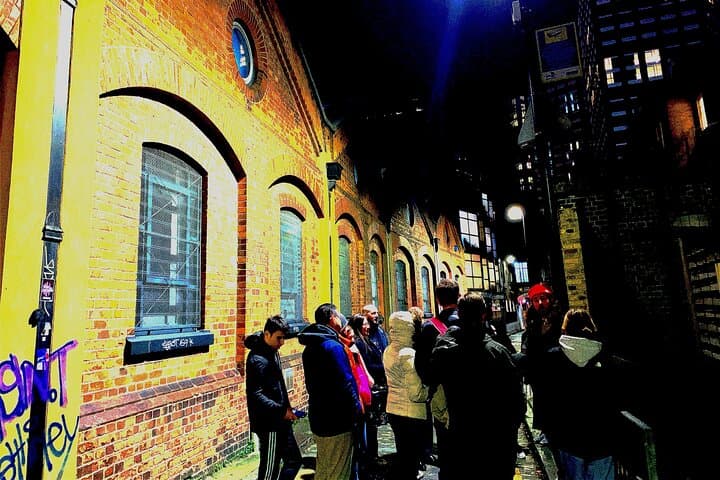
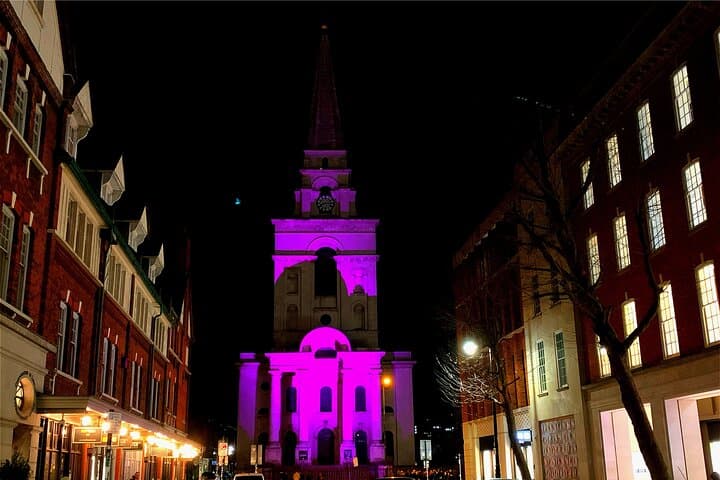
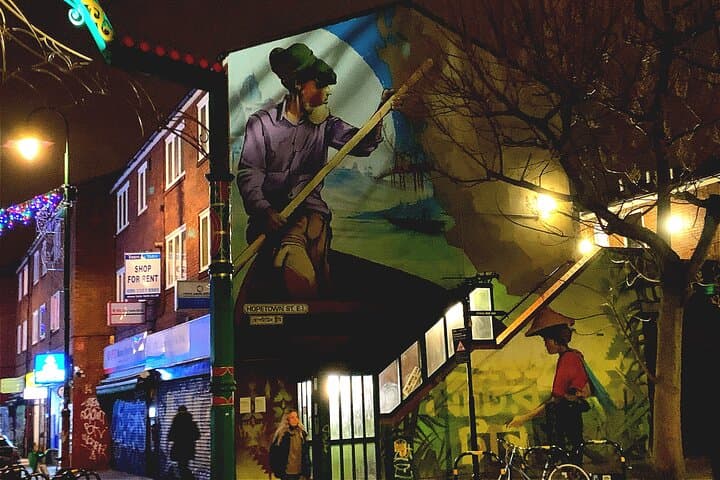
Fog clings to the gas-lit curves of Whitechapel as you press play and let a practiced voice pull you through narrow lanes and market fronts.
Fog clings to the gas-lit curves of Whitechapel as you press play and let a practiced voice pull you through narrow lanes and market fronts.
This self-guided audio tour drops you into 1888 London from a modern pavement: you’ll stand outside St. Botolph’s, pass the spice-scented stalls of Brick Lane and finish opposite The Ten Bells, where the narrative stitches together witness statements, police procedure and period sound drama.
Whitechapel’s history is raw and layered—Victorian poverty, waves of immigration, and an energetic press that fed a public appetite for sensational headlines. The architecture tells that story in red-brick terraces, cobbled courts, and Victorian warehouses converted to galleries and eateries; beneath the surface the geology is Thames plain clay, which shaped how streets were laid and how drainage and smell influenced urban life.
Culturally, the route crosses shifting communities: Jewish east end stories, Bangladeshi flavours on Brick Lane, and contemporary street art that comments on the past. Expect immersive vignettes performed by actors, archival detail about the investigation led by Inspector Abberline, and quiet stretches where the city itself feels like a character.
Practical guidance: the tour runs about 90 minutes and is best taken during daylight for reading plaques and safely navigating uneven pavements. Use a charged phone with offline audio enabled, wear supportive shoes, and give yourself time afterward to explore local museums, pubs, and photography spots.
Take the story seriously: it covers real crimes and victims—show respect for the neighborhood and its residents while you listen and learn.