THE ADVENTURE COLLECTIVE® · Independent discovery and booking for outdoor travel

Walk the Balcony Walk along Jabal Shams’ rim for four hours of dramatic canyon views and an intimate look at an ancient abandoned village. This private, full-day trek from Muscat pairs a scenic drive with a moderate ridge hike and local cultural insights.
Walk the Balcony Walk along Jabal Shams’ rim for four hours of dramatic canyon views and an intimate look at an ancient abandoned village. This private, full-day trek from Muscat pairs a scenic drive with a moderate ridge hike and local cultural insights.
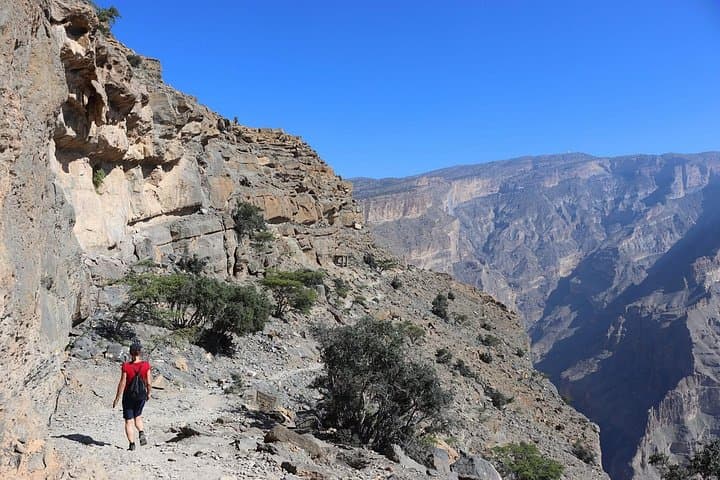
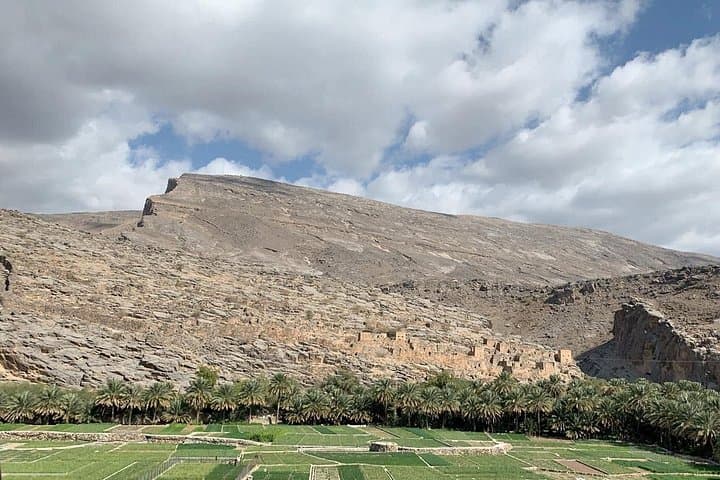
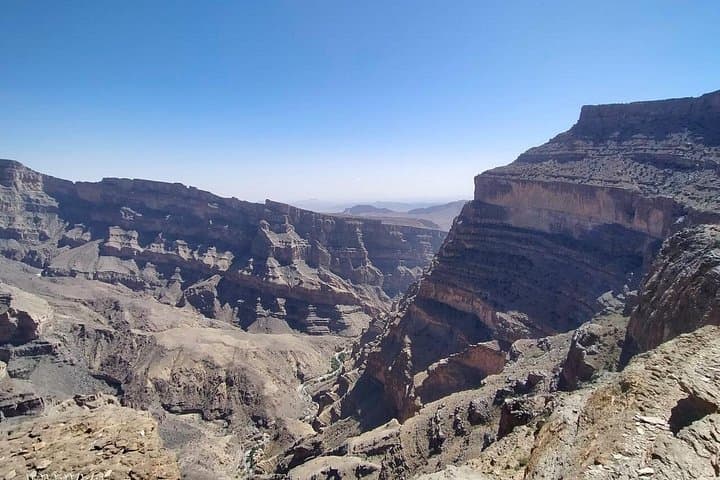
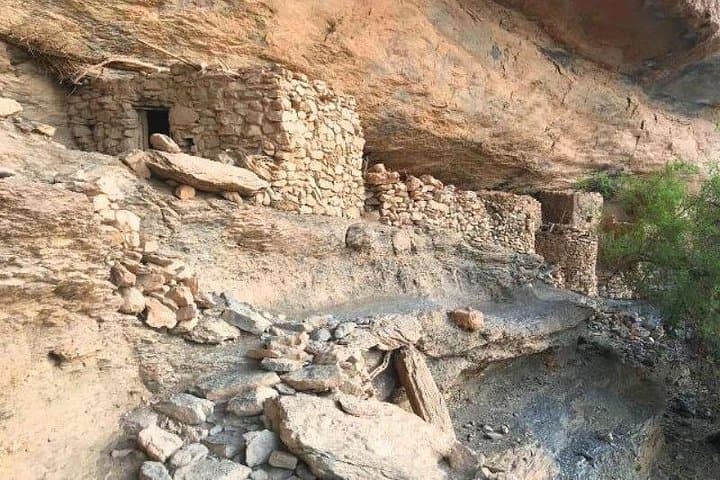
You step from the air-conditioned vehicle at sunrise and the plateau opens like a stern invitation — sheer walls drop away into a braided canyon that seems to dare you to look down. The Balcony Walk on Jabal Shams runs along the rim of Oman’s so-called Grand Canyon, where wind-scoured limestone and folded strata slice into long V-shaped valleys and wadis. The trail traces a narrow edge, passing terraced gullies, a scatter of stone ruins and the abandoned village of Al Sab, whose low, ancient houses recall a time when mountain communities eked out life from terraces and spring-fed wells.
Verified experiences and guided adventures in the surrounding area.
Operated by Discover Mazoon Tours Oman · Al Hamra, Ad Dakhiliyah
You step from the air-conditioned vehicle at sunrise and the plateau opens like a stern invitation — sheer walls drop away into a braided canyon that seems to dare you to look down. The Balcony Walk on Jabal Shams runs along the rim of Oman’s so-called Grand Canyon, where wind-scoured limestone and folded strata slice into long V-shaped valleys and wadis. The trail traces a narrow edge, passing terraced gullies, a scatter of stone ruins and the abandoned village of Al Sab, whose low, ancient houses recall a time when mountain communities eked out life from terraces and spring-fed wells.
Geology here reads like a field guide: uplifted sedimentary rock, fault lines and erosion that carved deep amphitheaters. Culturally, the area belongs to Ad Dakhiliyah; shepherding and date-farming shaped villages below. Guides often point out Wadi Ghul and the dramatic viewpoint where the canyon reveals its scale.
Practically, this is a moderate 4-hour hike (W6 trail) on uneven, sometimes loose terrain at roughly 1,800–2,000 m elevation, framed by steep drop-offs and panoramic vistas. Expect strong sun, sudden gusts and temperature swings between shade and exposed ridge.
Bring at least 2–3 liters of water, sturdy boots and layered clothing for wind and cooler high-altitude mornings. The tour includes pickup from Muscat and an approximately 3-hour drive each way, with stops at Wadi Ghul and viewpoints. Start early, move deliberately on the rim, and give yourself time at Al Sab and the viewpoints for photography and quiet observation. Respect the fragile desert-mountain environment—stay on trail, pack out waste, and follow your guide’s route and safety briefings.
moderate.
6–10 hours.
Suitable for hikers who can manage a 4‑hour walk over uneven terrain and tolerate a long day including rural drives
The Balcony Walk (W6 trail) is about 4 hours of hiking; the full day includes driving time to/from Muscat (approximately 3 hours each way).
It’s moderate: no technical climbing but requires comfort with uneven ground, elevation, and exposed sections; basic fitness is recommended.
The tour includes bottled water, snacks and lunch as listed, but bring extra water if you are a heavy drinker or it’s a hot day.
Fall through spring (October–April) offers cooler temperatures and clearer skies; summer can be very hot at lower elevations and hazy in the interior.
The terraces and stone houses near Al Sab reflect centuries of mountain agriculture and seasonal transhumance in the Ad Dakhiliyah region.
This high-desert montane environment is fragile—stay on trails, avoid disturbing ruins and pack out all waste to limit erosion and habitat damage.
Discover Mazoon Tours Oman operates guided outdoor trips and adventures with an emphasis on safety, stewardship, and memorable experiences.
You step from the air-conditioned vehicle at sunrise and the plateau opens like a stern invitation — sheer walls drop away into a braided canyon that seems to dare you to look down. The Balcony Walk on Jabal Shams runs along the rim of Oman’s so-called Grand Canyon, where wind-scoured limestone and folded strata slice into long V-shaped valleys and wadis. The trail traces a narrow edge, passing terraced gullies, a scatter of stone ruins and the abandoned village of Al Sab, whose low, ancient houses recall a time when mountain communities eked out life from terraces and spring-fed wells.
You step from the air-conditioned vehicle at sunrise and the plateau opens like a stern invitation — sheer walls drop away into a braided canyon that seems to dare you to look down. The Balcony Walk on Jabal Shams runs along the rim of Oman’s so-called Grand Canyon, where wind-scoured limestone and folded strata slice into long V-shaped valleys and wadis. The trail traces a narrow edge, passing terraced gullies, a scatter of stone ruins and the abandoned village of Al Sab, whose low, ancient houses recall a time when mountain communities eked out life from terraces and spring-fed wells.
Geology here reads like a field guide: uplifted sedimentary rock, fault lines and erosion that carved deep amphitheaters. Culturally, the area belongs to Ad Dakhiliyah; shepherding and date-farming shaped villages below. Guides often point out Wadi Ghul and the dramatic viewpoint where the canyon reveals its scale.
Practically, this is a moderate 4-hour hike (W6 trail) on uneven, sometimes loose terrain at roughly 1,800–2,000 m elevation, framed by steep drop-offs and panoramic vistas. Expect strong sun, sudden gusts and temperature swings between shade and exposed ridge.
Bring at least 2–3 liters of water, sturdy boots and layered clothing for wind and cooler high-altitude mornings. The tour includes pickup from Muscat and an approximately 3-hour drive each way, with stops at Wadi Ghul and viewpoints. Start early, move deliberately on the rim, and give yourself time at Al Sab and the viewpoints for photography and quiet observation. Respect the fragile desert-mountain environment—stay on trail, pack out waste, and follow your guide’s route and safety briefings.