THE ADVENTURE COLLECTIVE® · Independent discovery and booking for outdoor travel

Drive a compact cultural loop through Izushi’s shrines and temples, collecting red stamps and local stories along the way. This two-hour course blends short walks on stone paths with concise explanations of shrine origins—ideal for travelers seeking a low-impact cultural detour.
Drive a compact cultural loop through Izushi’s shrines and temples, collecting red stamps and local stories along the way. This two-hour course blends short walks on stone paths with concise explanations of shrine origins—ideal for travelers seeking a low-impact cultural detour.
A late-morning light climbs the stone steps of Izushi and the town exhales—wooden eaves and tiled roofs alerting visitors to a compact, lived-in history.
Verified experiences and guided adventures in the surrounding area.
Operated by 出石観光案内所 · Izushi (Toyooka), Hyogo Prefecture
A late-morning light climbs the stone steps of Izushi and the town exhales—wooden eaves and tiled roofs alerting visitors to a compact, lived-in history.
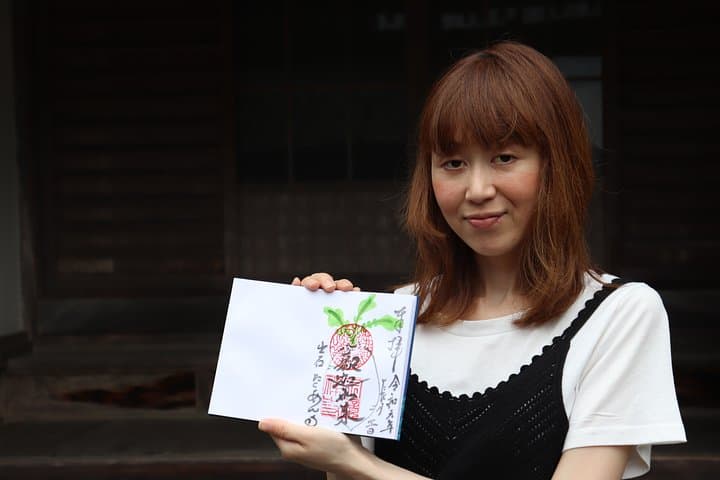
This two-hour driving course threads through small temple grounds and neighborhood shrines where locals come to pray for marriage and luck. Stops include Morosugi Shrine, Sokyouji (linked to monk Sawaan), and Izushi Shrine—each site offering a different register of architecture, ritual practice, and the chance to collect a red shrine stamp (goshuin) that records your visit.
Izushi grew as a castle town during the Edo period; its streets and castle ruins reflect the layered political geography of feudal Hyogo. Geologically, the area sits on rolling hills carved by tributaries of the Maruyama River, which push cool valley air through the town in summer and set a crisp edge to autumn mornings.
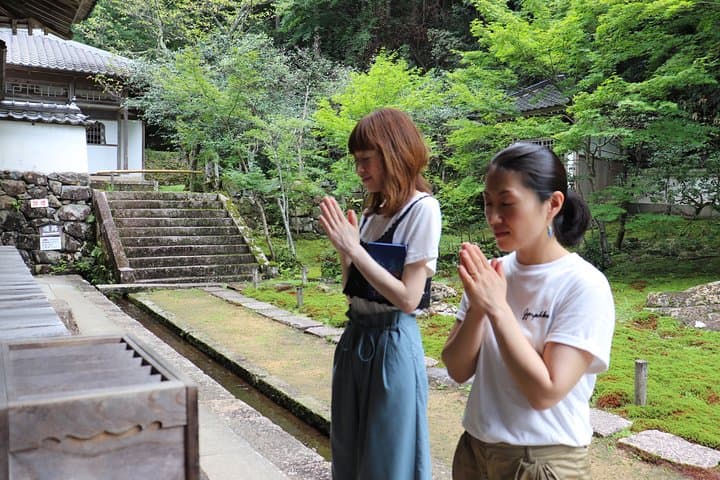
Culturally, the tour is small-scale and local: expect short walks on uneven stone paths, hands-on explanations of shrine origins rather than a continuous guided lecture, and the friendly etiquette of bowing, washing at the chozuya, and modest offerings.
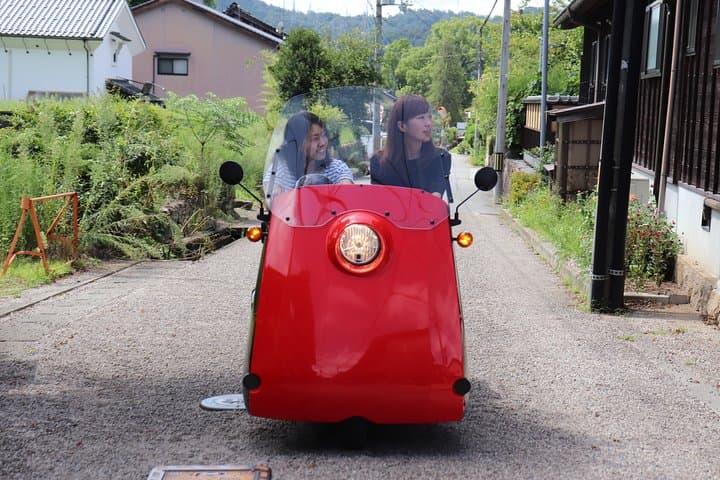
Practical guidance: book the limited EV car in advance, carry a goshuincho or cash for stamps, wear comfortable walking shoes for cobblestones, and schedule visits mid-morning to avoid incense rituals and local prayer times. Hydrate—the route is short but punctuated by steps—and allow extra time to sample Izushi soba near the castle plaza. The trip is low-intensity but rich in small discoveries; arrive curious and respectful, and the town’s quiet will answer in kind.
easy.
2 hours.
Light walking on uneven surfaces; suitable for most fitness levels but not for those with serious spinal or cardiovascular conditions
The tour is not fully guided; hosts explain the course and the origin of each shrine in detail but it’s structured as a short driving route with discrete stops.
The advertised duration is two hours, which includes driving between sites and short walks at each shrine.
Not recommended for travelers with spinal injuries, pregnant guests, or those with serious heart conditions; expect uneven surfaces and some steps.
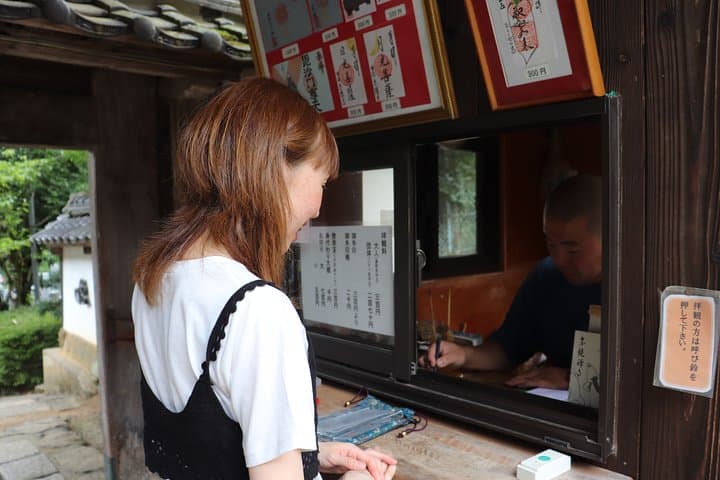
Yes—many participating shrines offer goshuin (red stamps), though some may charge a modest fee; bring a goshuincho or cash.
Izushi developed as a small feudal castle town in the Edo period; its shrines and stone streets preserve the civic pattern of that era.
Respect shrine grounds by staying on paths and avoiding flash photography during rituals; support local businesses to help sustain the small-town economy.
出石観光案内所 operates guided outdoor trips and adventures with an emphasis on safety, stewardship, and memorable experiences.
A late-morning light climbs the stone steps of Izushi and the town exhales—wooden eaves and tiled roofs alerting visitors to a compact, lived-in history.
A late-morning light climbs the stone steps of Izushi and the town exhales—wooden eaves and tiled roofs alerting visitors to a compact, lived-in history.
This two-hour driving course threads through small temple grounds and neighborhood shrines where locals come to pray for marriage and luck. Stops include Morosugi Shrine, Sokyouji (linked to monk Sawaan), and Izushi Shrine—each site offering a different register of architecture, ritual practice, and the chance to collect a red shrine stamp (goshuin) that records your visit.
Izushi grew as a castle town during the Edo period; its streets and castle ruins reflect the layered political geography of feudal Hyogo. Geologically, the area sits on rolling hills carved by tributaries of the Maruyama River, which push cool valley air through the town in summer and set a crisp edge to autumn mornings.
Culturally, the tour is small-scale and local: expect short walks on uneven stone paths, hands-on explanations of shrine origins rather than a continuous guided lecture, and the friendly etiquette of bowing, washing at the chozuya, and modest offerings.
Practical guidance: book the limited EV car in advance, carry a goshuincho or cash for stamps, wear comfortable walking shoes for cobblestones, and schedule visits mid-morning to avoid incense rituals and local prayer times. Hydrate—the route is short but punctuated by steps—and allow extra time to sample Izushi soba near the castle plaza. The trip is low-intensity but rich in small discoveries; arrive curious and respectful, and the town’s quiet will answer in kind.