THE ADVENTURE COLLECTIVE® · Independent discovery and booking for outdoor travel

Spend two days moving between Matsue’s historic castle town and the ancient precincts of Izumo Taisha. This compact pilgrimage combines a tea ceremony, river cruise, ghost-walk, and a lakeside inn stay—ideal for travelers seeking culture with easy walking.
Spend two days moving between Matsue’s historic castle town and the ancient precincts of Izumo Taisha. This compact pilgrimage combines a tea ceremony, river cruise, ghost-walk, and a lakeside inn stay—ideal for travelers seeking culture with easy walking.
You step off the bus and the air changes—salt from nearby Sea of Japan, the hush of cedar trunks, groupings of wooden torii marking a path older than many nations. The approach to Izumo Taisha draws the eye upward: broad shrine steps, a massive shimenawa rope, and the quiet cadence of visitors offering claps and bows.
Verified experiences and guided adventures in the surrounding area.
Operated by Tourism Designers Co., Ltd. · Izumo, Shimane
You step off the bus and the air changes—salt from nearby Sea of Japan, the hush of cedar trunks, groupings of wooden torii marking a path older than many nations. The approach to Izumo Taisha draws the eye upward: broad shrine steps, a massive shimenawa rope, and the quiet cadence of visitors offering claps and bows.
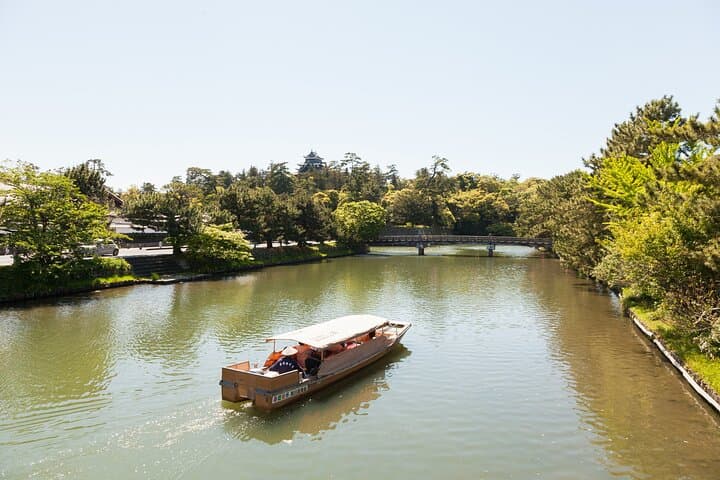
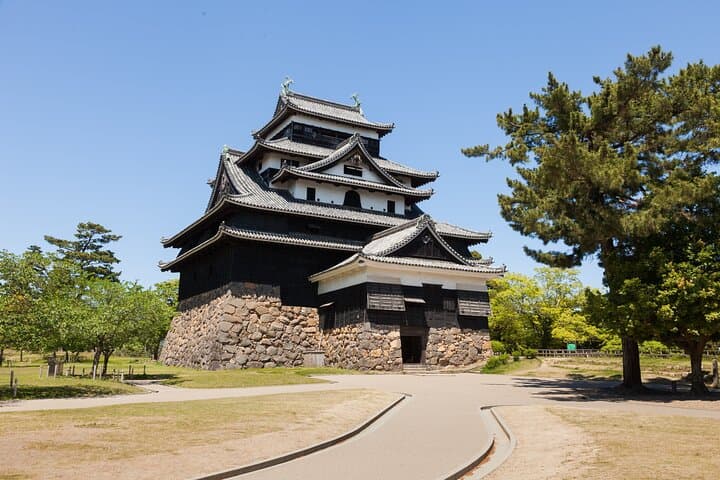
This two-day escape pairs Matsue’s compact castle town with the deep antiquity of Izumo Taisha. Matsue Castle, a surviving feudal keep, perches above the Horikawa canals carved through volcanic plains; a short river cruise traces willow-lined moats that once carried samurai. Lake Shinji’s shallow shelf reddens at sunset and pulls small fishing boats close to shore. The shrine itself is a focal point of Shinto history—rituals here date back centuries and local lore connects the region to Japan’s creation myths recorded in the Kojiki.
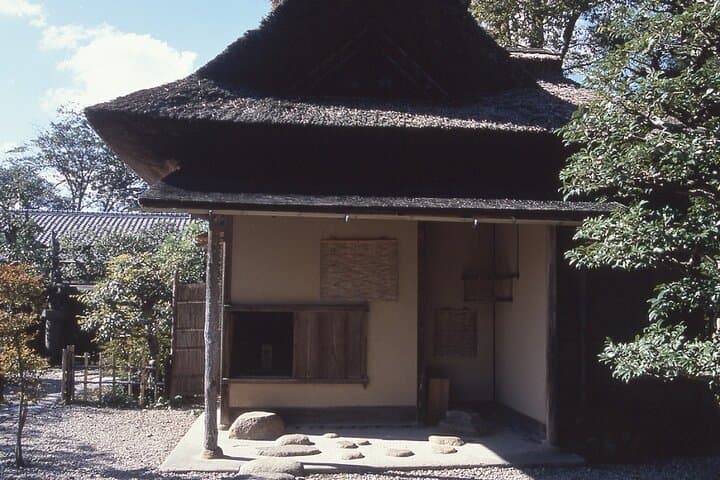
You’ll sample Izumo soba, join a hands-on tea ceremony in a historic garden teahouse, and at night take a ghost-walk inspired by Lafcadio Hearn’s Kaidan through dim lanes where stories gather in doorways.
Practical guidance: expect easy walking—roughly 3–5 km per day—with stair sections at Matsue Castle and shrine approaches; minimal elevation gain. Bring comfortable walking shoes, a light rain layer, and cash for shrine offerings and small shops. Respect shrine etiquette: bow at the torii, wash at the temizuya, and photograph mindfully in worship areas. Timing matters—arrive at Izumo Taisha in the morning to avoid crowds and to feel the site’s quiet energy.
This itinerary is immersive but low-impact: culturally rich, accessible to most travelers, and structured around short transfers and an overnight lakeside inn.
easy.
2 days.
Suitable for most fitness levels; involves multiple short walks and some stair climbing.
Expect about 3–5 km per day on mostly flat surfaces, with some stair sections at Matsue Castle and shrine approaches.
The tour description lists lunches, entrance fees to specified facilities, and one night’s accommodation with meals as included.
Yes—it's rated easy and suitable for most physical fitness levels, but mobility concerns with stairs should be considered.
An English guide is included for the duration of the tour to explain history, rituals, and logistics.
Izumo Taisha is one of Japan’s oldest Shinto shrines, central to regional creation myths recorded in the Kojiki; Matsue developed as a samurai castle town in the early 17th century.
Local operators encourage low-impact visits—stay on paths, dispose of waste properly, and support small, family-run inns and artisans to sustain local economies.
Tourism Designers Co., Ltd. operates guided outdoor trips and adventures with an emphasis on safety, stewardship, and memorable experiences.
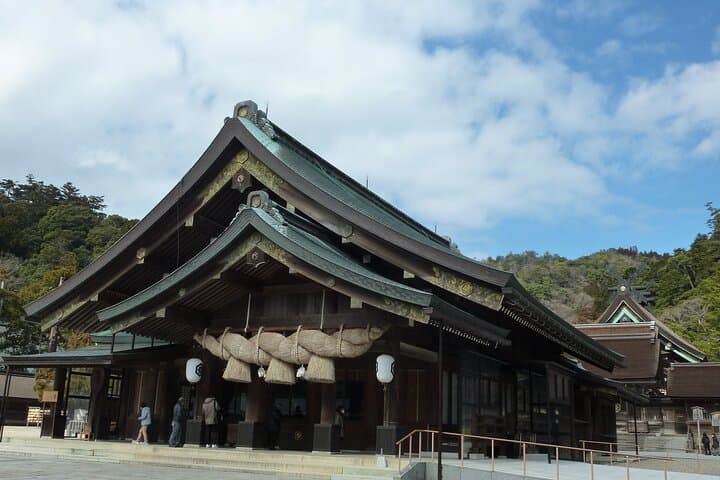
You step off the bus and the air changes—salt from nearby Sea of Japan, the hush of cedar trunks, groupings of wooden torii marking a path older than many nations. The approach to Izumo Taisha draws the eye upward: broad shrine steps, a massive shimenawa rope, and the quiet cadence of visitors offering claps and bows.
You step off the bus and the air changes—salt from nearby Sea of Japan, the hush of cedar trunks, groupings of wooden torii marking a path older than many nations. The approach to Izumo Taisha draws the eye upward: broad shrine steps, a massive shimenawa rope, and the quiet cadence of visitors offering claps and bows.
This two-day escape pairs Matsue’s compact castle town with the deep antiquity of Izumo Taisha. Matsue Castle, a surviving feudal keep, perches above the Horikawa canals carved through volcanic plains; a short river cruise traces willow-lined moats that once carried samurai. Lake Shinji’s shallow shelf reddens at sunset and pulls small fishing boats close to shore. The shrine itself is a focal point of Shinto history—rituals here date back centuries and local lore connects the region to Japan’s creation myths recorded in the Kojiki.
You’ll sample Izumo soba, join a hands-on tea ceremony in a historic garden teahouse, and at night take a ghost-walk inspired by Lafcadio Hearn’s Kaidan through dim lanes where stories gather in doorways.
Practical guidance: expect easy walking—roughly 3–5 km per day—with stair sections at Matsue Castle and shrine approaches; minimal elevation gain. Bring comfortable walking shoes, a light rain layer, and cash for shrine offerings and small shops. Respect shrine etiquette: bow at the torii, wash at the temizuya, and photograph mindfully in worship areas. Timing matters—arrive at Izumo Taisha in the morning to avoid crowds and to feel the site’s quiet energy.
This itinerary is immersive but low-impact: culturally rich, accessible to most travelers, and structured around short transfers and an overnight lakeside inn.