THE ADVENTURE COLLECTIVE® · Independent discovery and booking for outdoor travel

This two-day Izu Peninsula tour links the MOA Art Museum’s sea‑facing galleries, Japan’s longest pedestrian suspension bridge with views of Mt. Fuji, and the tranquil hot springs of Shuzenji. Ideal for travelers looking to mix culture, coastal geology and restorative onsen time.
This two-day Izu Peninsula tour links the MOA Art Museum’s sea‑facing galleries, Japan’s longest pedestrian suspension bridge with views of Mt. Fuji, and the tranquil hot springs of Shuzenji. Ideal for travelers looking to mix culture, coastal geology and restorative onsen time.
You step off the coach in a coastal light that sharpens every line: the MOA Museum perched above Sagami Bay, the long span of Mishima Skywalk slicing the ridge with Mt. Fuji pinned on the horizon, and the steam of Shuzenji’s onsen threading through bamboo groves.
Verified experiences and guided adventures in the surrounding area.
Operated by TREVOPEDIA · Shuzenji, Shizuoka
You step off the coach in a coastal light that sharpens every line: the MOA Museum perched above Sagami Bay, the long span of Mishima Skywalk slicing the ridge with Mt. Fuji pinned on the horizon, and the steam of Shuzenji’s onsen threading through bamboo groves.
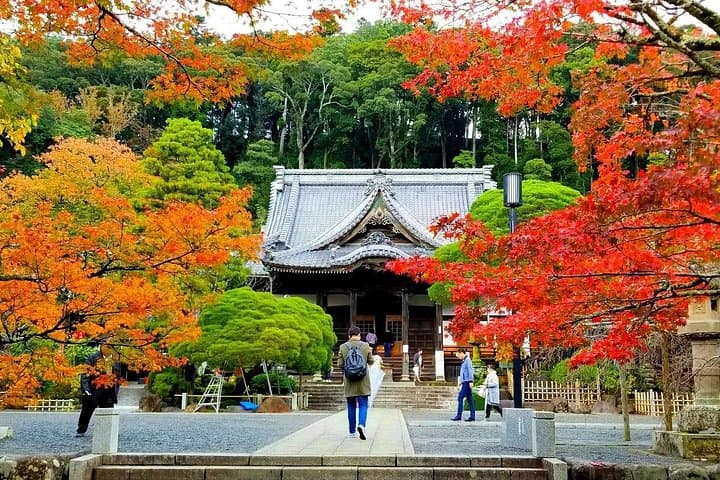
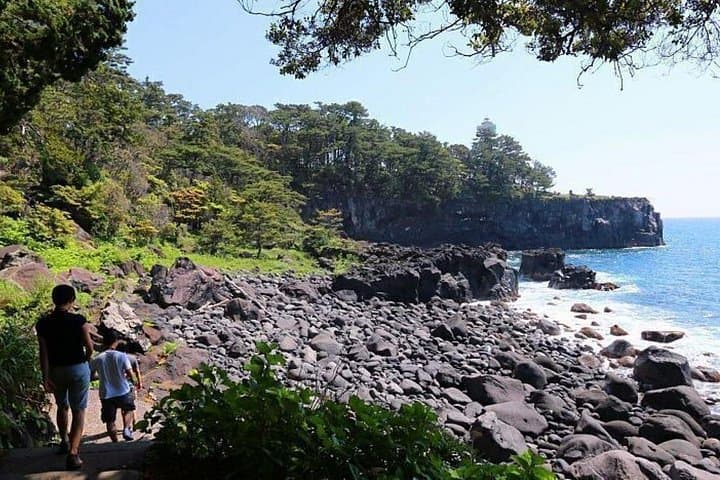
The MOA Art Museum pairs sea-view architecture with a collection of East Asian painting, lacquerware and ceramics — including works by Ogata Kōrin — set beside a traditional garden and Noh stage. The Izu Peninsula’s geology tells an older story: volcanic domes like Mt. Omuro and black lava-sculpted cliffs at Jogasaki are the product of millennia of eruptions and coastal uplift. Shrines and temples here record centuries of pilgrimage; Shuzenji Temple dates to the Heian period and the town grew around its hot springs.
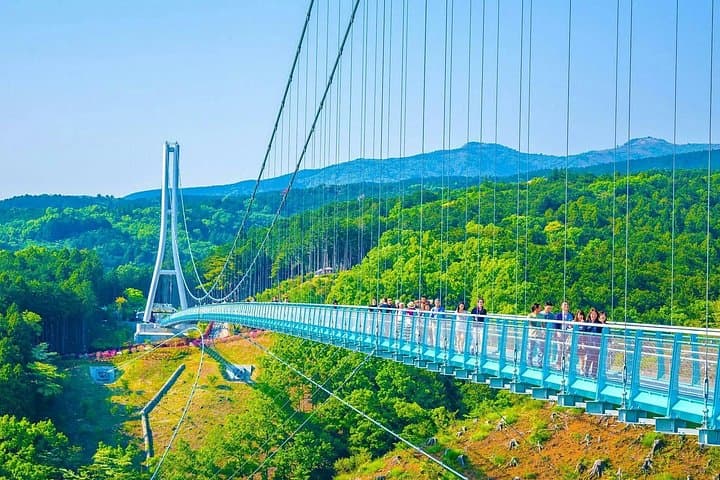
On Day 1 you cross Japan’s longest pedestrian suspension bridge, a 400‑meter span that frames Fuji on clear days; on Day 2 the itinerary moves from a crater rim chairlift to seaside trails and tide pools. Expect a mix of paved museum paths, boardwalks and short, uneven coastal trails where wind can push at your pace.
Practical edge: pack a midlayer and waterproof shell, sturdy walking shoes, and cash for small vendors. Plan early starts for the best Fuji visibility, and observe onsen etiquette (wash before entering shared baths, no swimsuits). Mobility-friendly options exist for museums and some sites, but coastal trails are uneven. This two-day loop is compact, culturally rich and friendly to most fitness levels — a tidy introduction to Izu’s art, geology and onsen culture.
easy.
2 days.
Suitable for travelers in average physical condition; involves short walks, stairs and brief uneven trail sections.
The Mishima Skywalk is approximately 400 meters long and offers panoramic views of Mt. Fuji and Suruga Bay on clear days.
Yes — the tour is advertised as physically easy with wheelchair- and stroller-accessible elements, though some coastal trails and the Mt. Omuro chairlift have limited accessibility.
Accommodation at a Shuzenji onsen ryokan with access to baths is included for the overnight stay; observe standard onsen rules when using communal baths.
Bring layers, a waterproof shell, sun protection and comfortable shoes — weather can shift quickly between coastal and mountain spots.
Shuzenji grew around a 9th‑century temple founded by the monk Kobo Daishi and developed as a cultural hot spring town during the Edo period.
Coastal trails and volcanic features are sensitive to erosion and invasive plants; stick to marked paths, dispose of waste, and support local sites that fund habitat protection.
TREVOPEDIA operates guided outdoor trips and adventures with an emphasis on safety, stewardship, and memorable experiences.
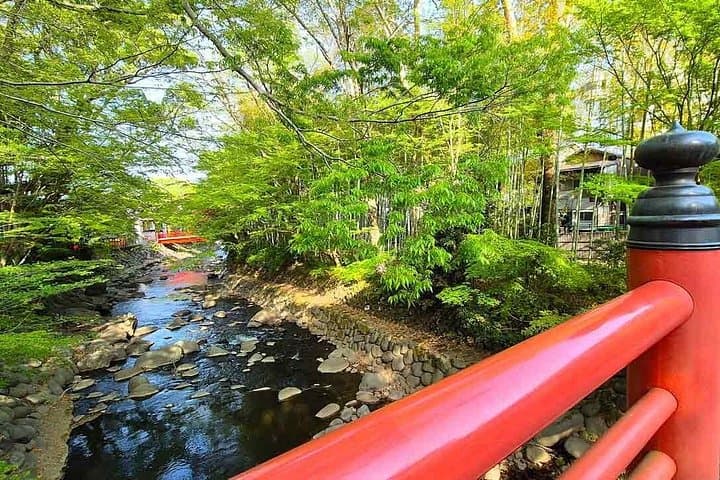
You step off the coach in a coastal light that sharpens every line: the MOA Museum perched above Sagami Bay, the long span of Mishima Skywalk slicing the ridge with Mt. Fuji pinned on the horizon, and the steam of Shuzenji’s onsen threading through bamboo groves.
You step off the coach in a coastal light that sharpens every line: the MOA Museum perched above Sagami Bay, the long span of Mishima Skywalk slicing the ridge with Mt. Fuji pinned on the horizon, and the steam of Shuzenji’s onsen threading through bamboo groves.
The MOA Art Museum pairs sea-view architecture with a collection of East Asian painting, lacquerware and ceramics — including works by Ogata Kōrin — set beside a traditional garden and Noh stage. The Izu Peninsula’s geology tells an older story: volcanic domes like Mt. Omuro and black lava-sculpted cliffs at Jogasaki are the product of millennia of eruptions and coastal uplift. Shrines and temples here record centuries of pilgrimage; Shuzenji Temple dates to the Heian period and the town grew around its hot springs.
On Day 1 you cross Japan’s longest pedestrian suspension bridge, a 400‑meter span that frames Fuji on clear days; on Day 2 the itinerary moves from a crater rim chairlift to seaside trails and tide pools. Expect a mix of paved museum paths, boardwalks and short, uneven coastal trails where wind can push at your pace.
Practical edge: pack a midlayer and waterproof shell, sturdy walking shoes, and cash for small vendors. Plan early starts for the best Fuji visibility, and observe onsen etiquette (wash before entering shared baths, no swimsuits). Mobility-friendly options exist for museums and some sites, but coastal trails are uneven. This two-day loop is compact, culturally rich and friendly to most fitness levels — a tidy introduction to Izu’s art, geology and onsen culture.