THE ADVENTURE COLLECTIVE® · Independent discovery and booking for outdoor travel

Head into the high pine forests and ridgelines of Iztaccíhuatl on a compact, guided half-day trek that starts where the road ends. Expect steep trail, winter snows at altitude, quick-changing weather, and views across the smoking neighbor Popocatépetl.
Head into the high pine forests and ridgelines of Iztaccíhuatl on a compact, guided half-day trek that starts where the road ends. Expect steep trail, winter snows at altitude, quick-changing weather, and views across the smoking neighbor Popocatépetl.
You step out of the jeep where the road gives up and the forest begins — a high, cool air that tastes faintly of sap and stone. The trail rises immediately, first under a ceiling of oyamel fir and pine that filters the light into green shards, then through open ridgelines that reveal the sleeping silhouette of Iztaccíhuatl: a long, snow-capped ridge that locals call the white woman. In four to seven hours the tour moves from city edge to mountain muscle, trading honking traffic for the wind’s plain language and a view that keeps pushing the horizon back.
Verified experiences and guided adventures in the surrounding area.
Operated by Lo Mio Son Deportes · Amecameca, State of Mexico
You step out of the jeep where the road gives up and the forest begins — a high, cool air that tastes faintly of sap and stone. The trail rises immediately, first under a ceiling of oyamel fir and pine that filters the light into green shards, then through open ridgelines that reveal the sleeping silhouette of Iztaccíhuatl: a long, snow-capped ridge that locals call the white woman. In four to seven hours the tour moves from city edge to mountain muscle, trading honking traffic for the wind’s plain language and a view that keeps pushing the horizon back.
Iztaccíhuatl stands 5,286 meters above sea level and shares a volcanic history with its neighbor Popocatépetl. The two once-joined giants shaped local routes, climate, and myth; the Nahua people named them after a tragic pair of lovers whose story still colors how people read the slopes. Geologically, Iztaccíhuatl is an older, eroded stratovolcano — less explosive than Popocatépetl, with long ridgelines and cirque-like hollows that capture snow and nurture subalpine forests.
The trek begins at the lowest car-accessible point and follows a route that several guides complete in about 1.5 hours to the primary viewpoint; the total excursion including transport and time on the mountain is listed at 4–7 hours. You’ll move across packed volcanic soil, rocky switchbacks, and forest tracks where birds and small mammals make quick business of your passing. Guides on the route typically provide bottled water, snacks, and national park fees, and they handle logistics from jeep loading to descent.
Practical edge: altitude is the mountain’s quiet variable. Even if the effort feels moderate on trail, the air thins quickly above 3,000–4,000 meters; pace yourself, sip water frequently, and keep layers handy for wind and sun. Footwear with good ankle support and sticky soles will make the rocky sections easier; trekking poles reduce strain on knees during climbs and descents. Because Popocatépetl is active, local operators and the national park monitor conditions — expect last-minute changes if volcanic alerts rise.
This tour is aimed at travelers who want a firm taste of highland Mexico in a single day: forested trails, wide ridgelines, and an intimate look at a volcano that has shaped both landscape and story. If you’ve got a hotel in Mexico City or Puebla and four to seven hours to spare, it’s one of the most immediate ways to stand above the basin and feel how the mountains demand patience, respect, and good boots.
moderate.
4–7 hours.
Suitable for travelers with regular walking or light hiking fitness; must handle sustained uphill sections and high altitude.
The guided route is rated moderate: trails include steady uphill sections for about 1.5 hours from the jeep-accessible point, with rocky terrain that requires good footwear.
Yes — Iztaccíhuatl reaches high elevation quickly. Hydrate, ascend at a steady pace, and tell your guide if you have headaches, nausea, or dizziness.
Typical inclusions are bottled water, snacks, national park fees, driver/guide service, and hotel pickup from select hotels (additional pickup fees may apply).
The operator marks it as suitable for all fitness levels, but it’s not recommended for travelers with serious heart conditions or pregnant travelers; children must be accompanied by an adult.
Most tours include hotel pickup in Mexico City or Puebla for an additional fee; otherwise the meeting point is a designated parking lot where jeeps begin the road ascent.
Iztaccíhuatl itself is dormant, but nearby Popocatépetl is active. Guides and park authorities monitor volcanic advisories and may cancel or alter plans if alert levels rise.
Iztaccíhuatl and Popocatépetl are central to Nahua legends and have guided trade routes and settlements for centuries; their names reflect an old love story that still figures in local identity.
This area falls within protected parkland; stick to marked trails, pack out waste, and follow guide instructions to limit erosion and disturbance.
Lo Mio Son Deportes operates guided outdoor trips and adventures with an emphasis on safety, stewardship, and memorable experiences.
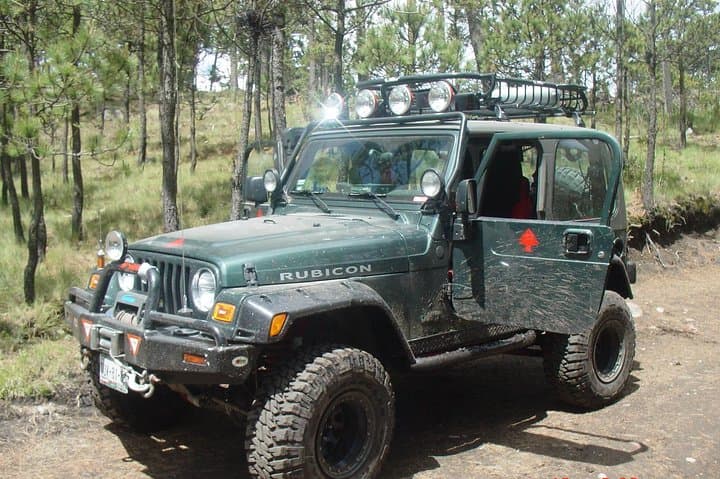
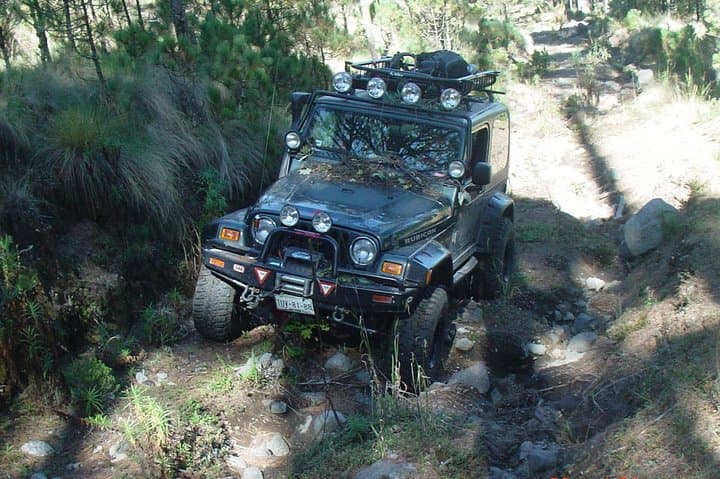
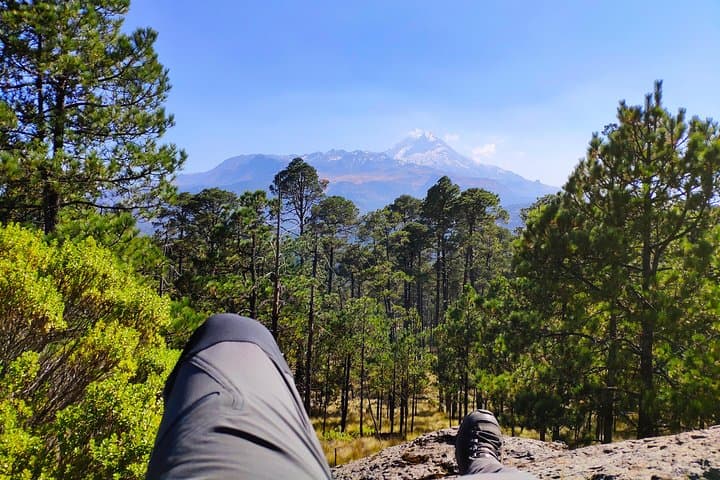
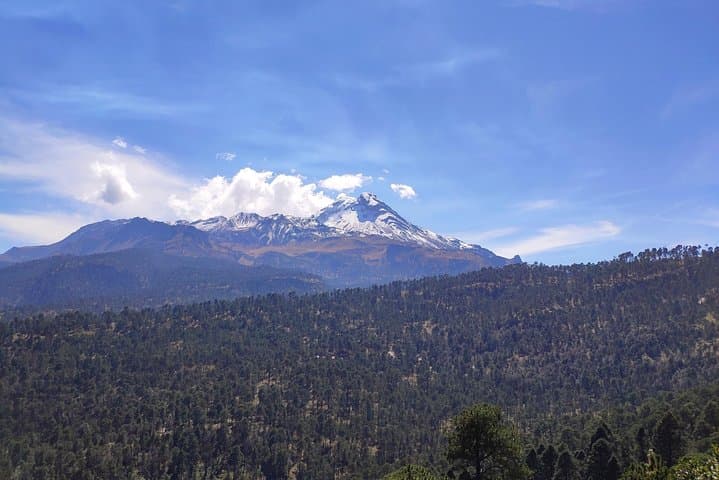
You step out of the jeep where the road gives up and the forest begins — a high, cool air that tastes faintly of sap and stone. The trail rises immediately, first under a ceiling of oyamel fir and pine that filters the light into green shards, then through open ridgelines that reveal the sleeping silhouette of Iztaccíhuatl: a long, snow-capped ridge that locals call the white woman. In four to seven hours the tour moves from city edge to mountain muscle, trading honking traffic for the wind’s plain language and a view that keeps pushing the horizon back.
You step out of the jeep where the road gives up and the forest begins — a high, cool air that tastes faintly of sap and stone. The trail rises immediately, first under a ceiling of oyamel fir and pine that filters the light into green shards, then through open ridgelines that reveal the sleeping silhouette of Iztaccíhuatl: a long, snow-capped ridge that locals call the white woman. In four to seven hours the tour moves from city edge to mountain muscle, trading honking traffic for the wind’s plain language and a view that keeps pushing the horizon back.
Iztaccíhuatl stands 5,286 meters above sea level and shares a volcanic history with its neighbor Popocatépetl. The two once-joined giants shaped local routes, climate, and myth; the Nahua people named them after a tragic pair of lovers whose story still colors how people read the slopes. Geologically, Iztaccíhuatl is an older, eroded stratovolcano — less explosive than Popocatépetl, with long ridgelines and cirque-like hollows that capture snow and nurture subalpine forests.
The trek begins at the lowest car-accessible point and follows a route that several guides complete in about 1.5 hours to the primary viewpoint; the total excursion including transport and time on the mountain is listed at 4–7 hours. You’ll move across packed volcanic soil, rocky switchbacks, and forest tracks where birds and small mammals make quick business of your passing. Guides on the route typically provide bottled water, snacks, and national park fees, and they handle logistics from jeep loading to descent.
Practical edge: altitude is the mountain’s quiet variable. Even if the effort feels moderate on trail, the air thins quickly above 3,000–4,000 meters; pace yourself, sip water frequently, and keep layers handy for wind and sun. Footwear with good ankle support and sticky soles will make the rocky sections easier; trekking poles reduce strain on knees during climbs and descents. Because Popocatépetl is active, local operators and the national park monitor conditions — expect last-minute changes if volcanic alerts rise.
This tour is aimed at travelers who want a firm taste of highland Mexico in a single day: forested trails, wide ridgelines, and an intimate look at a volcano that has shaped both landscape and story. If you’ve got a hotel in Mexico City or Puebla and four to seven hours to spare, it’s one of the most immediate ways to stand above the basin and feel how the mountains demand patience, respect, and good boots.