THE ADVENTURE COLLECTIVE® · Independent discovery and booking for outdoor travel

High-altitude trekking to the refuge at 4,780 m on Iztaccihuatl blends volcanic terrain, thin air and cultural history. This guided, technical day tests fitness and acclimatization while offering dramatic ridgeline views.
High-altitude trekking to the refuge at 4,780 m on Iztaccihuatl blends volcanic terrain, thin air and cultural history. This guided, technical day tests fitness and acclimatization while offering dramatic ridgeline views.
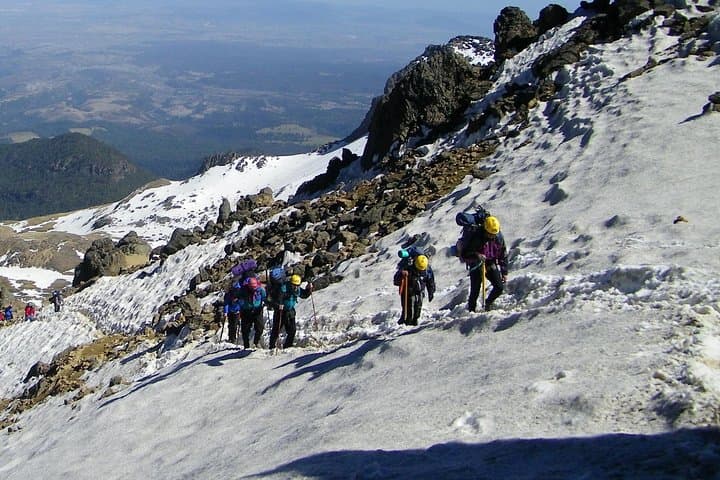
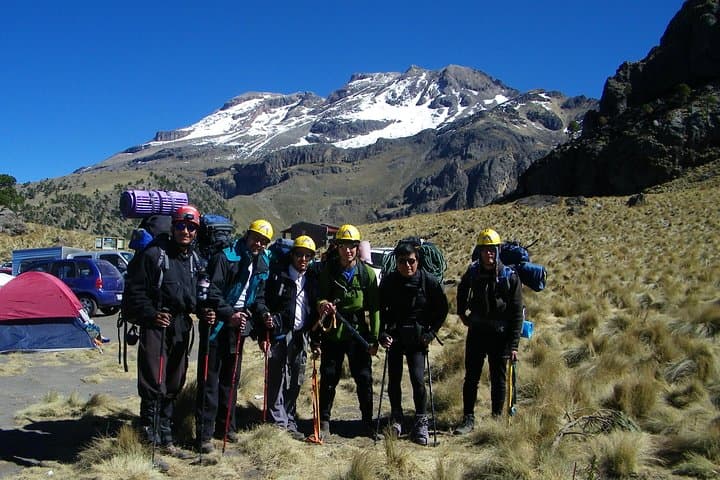
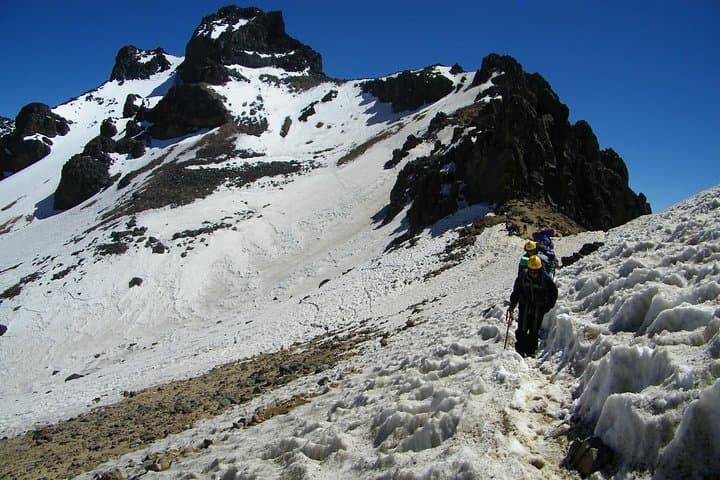
You step out of the van into thin, sun-scoured air and the mountain takes shape: a slope of volcanic ash, old lava ribs and a white cap that dares you higher. The wind moves like a measured clock along Iztaccihuatl’s ridges, and the path climbs from pine shadow into a sparse, high–alpine world where every step counts.
Verified experiences and guided adventures in the surrounding area.
Operated by SAFE ADVENTURE · Amecameca, State of Mexico
You step out of the van into thin, sun-scoured air and the mountain takes shape: a slope of volcanic ash, old lava ribs and a white cap that dares you higher. The wind moves like a measured clock along Iztaccihuatl’s ridges, and the path climbs from pine shadow into a sparse, high–alpine world where every step counts.
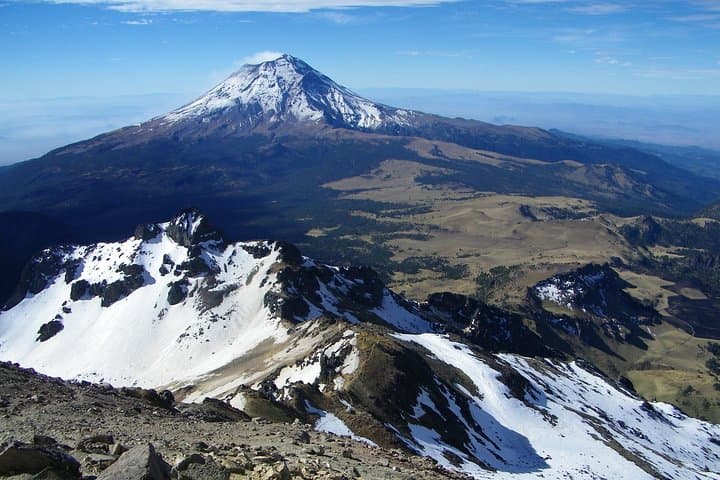
Iztaccihuatl — “White Woman” from Aztec lore — is a dormant volcanic massif with three main peaks and a highest point above 5,200 m. The route to the refuge at 4,780 m threads volcanic scree, remnants of glaciers and high-basin meadows. Geology here reads as layers of explosive eruptions and slow cooling, while nearby Popocatépetl’s presence has shaped local culture and pilgrimage routes for centuries.
Expect high-altitude weather swings: clear mornings, fierce sun, and sudden afternoon storms in the wet season. Wildlife is quiet but present — golden eagles wheel overhead and the rare volcano rabbit hides in the scrub below timberline. Local guides combine technical know-how with stories of the mountain’s place in regional history.
Practical side: carry layers for wind and cold, know basic crampon and ice-axe use, and budget time for acclimatization. Hydrate well and move deliberately on loose volcanic terrain; the refuge is a target, not the end of acclimatization. Professional guides supply helmets, crampons and radio support, but personal fitness and respect for the fragile alpine environment determine success.
This is a high-mountain day that rewards preparation: rise early, read the sky, and let the mountain test your pace and focus.
difficult.
10–14 hours.
Good to excellent aerobic fitness, experience with long uphill days and prior exposure to altitude recommended
You should have prior experience on steep day hikes and basic crampon/ice-axe familiarity; guides can instruct, but high-altitude competence is expected.
Yes—spending a day or two at moderate altitude before the trek reduces risk of acute mountain sickness and improves performance.
The dry season (November–March) offers more stable weather and clearer views; the wet season (June–September) has afternoon storms and increased snowmelt risks.
Guided groups typically supply crampons, ice axe, helmet and harness; confirm with the operator and ensure your boots are compatible.
Iztaccihuatl’s name and profile come from pre-Hispanic mythology that pairs it with nearby Popocatépetl; the massif has been a cultural landmark and route for local communities for centuries.
The mountain lies within Izta-Popo Zoquiapan National Park—stay on trails, pack out waste and follow guidance to protect fragile alpine habitats.
SAFE ADVENTURE operates guided outdoor trips and adventures with an emphasis on safety, stewardship, and memorable experiences.
You step out of the van into thin, sun-scoured air and the mountain takes shape: a slope of volcanic ash, old lava ribs and a white cap that dares you higher. The wind moves like a measured clock along Iztaccihuatl’s ridges, and the path climbs from pine shadow into a sparse, high–alpine world where every step counts.
You step out of the van into thin, sun-scoured air and the mountain takes shape: a slope of volcanic ash, old lava ribs and a white cap that dares you higher. The wind moves like a measured clock along Iztaccihuatl’s ridges, and the path climbs from pine shadow into a sparse, high–alpine world where every step counts.
Iztaccihuatl — “White Woman” from Aztec lore — is a dormant volcanic massif with three main peaks and a highest point above 5,200 m. The route to the refuge at 4,780 m threads volcanic scree, remnants of glaciers and high-basin meadows. Geology here reads as layers of explosive eruptions and slow cooling, while nearby Popocatépetl’s presence has shaped local culture and pilgrimage routes for centuries.
Expect high-altitude weather swings: clear mornings, fierce sun, and sudden afternoon storms in the wet season. Wildlife is quiet but present — golden eagles wheel overhead and the rare volcano rabbit hides in the scrub below timberline. Local guides combine technical know-how with stories of the mountain’s place in regional history.
Practical side: carry layers for wind and cold, know basic crampon and ice-axe use, and budget time for acclimatization. Hydrate well and move deliberately on loose volcanic terrain; the refuge is a target, not the end of acclimatization. Professional guides supply helmets, crampons and radio support, but personal fitness and respect for the fragile alpine environment determine success.
This is a high-mountain day that rewards preparation: rise early, read the sky, and let the mountain test your pace and focus.