THE ADVENTURE COLLECTIVE® · Independent discovery and booking for outdoor travel

Hike an active volcano and stand where fumaroles still breathe. The Izalco Volcano trek pairs steep volcanic slopes with summit views of the Pacific and a post-hike stop at Lake Coatepeque—an efficient, high-reward day from Sonsonate.
Hike an active volcano and stand where fumaroles still breathe. The Izalco Volcano trek pairs steep volcanic slopes with summit views of the Pacific and a post-hike stop at Lake Coatepeque—an efficient, high-reward day from Sonsonate.
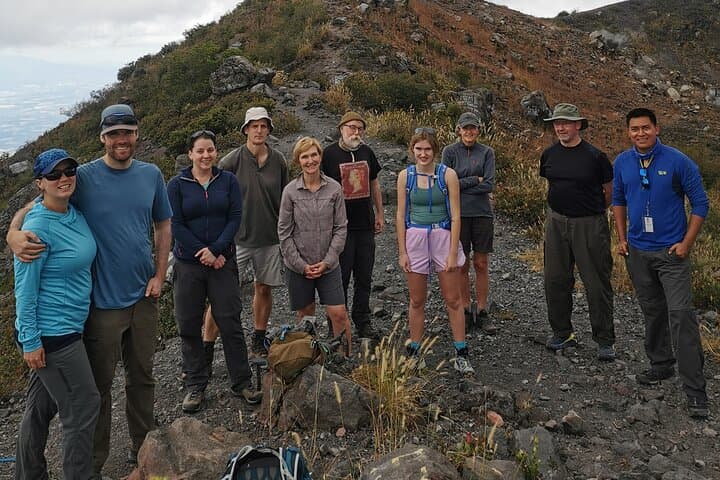
A low cloud peels back just as the group crests the final knob of black tephra. The summit wind is sharp and restless; fumaroles murmur along the rim, breathing steam into the air while the Pacific flashes silver on the horizon. Hiking Izalco means moving across a geological page turned recently—rock still remembers fire—and arriving at a viewpoint where the Ruta de las Flores folds into distant hills and Lake Coatepeque hangs like a craterous mirror.
Verified experiences and guided adventures in the surrounding area.
Operated by El Salvador Positive Tours · Izalco, Sonsonate
A low cloud peels back just as the group crests the final knob of black tephra. The summit wind is sharp and restless; fumaroles murmur along the rim, breathing steam into the air while the Pacific flashes silver on the horizon. Hiking Izalco means moving across a geological page turned recently—rock still remembers fire—and arriving at a viewpoint where the Ruta de las Flores folds into distant hills and Lake Coatepeque hangs like a craterous mirror.
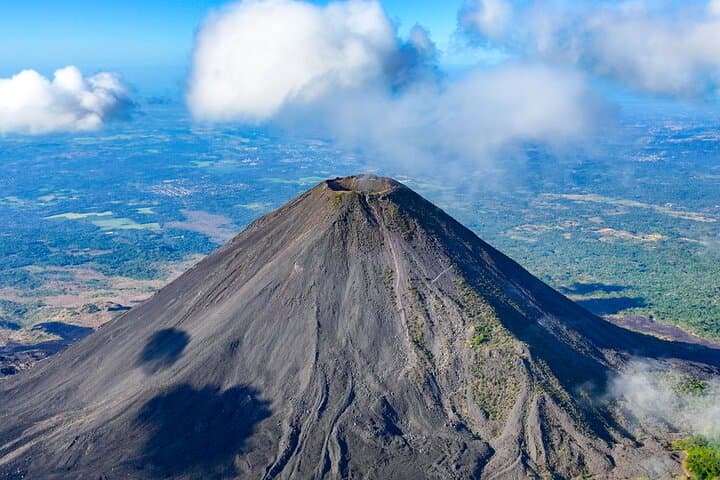
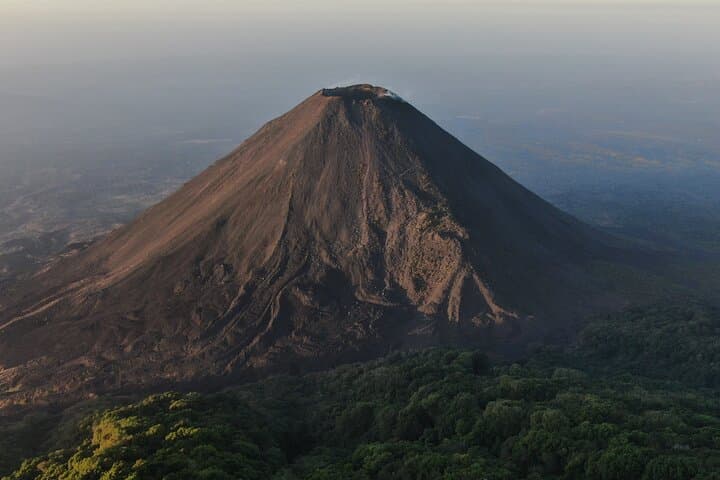
Izalco, 1,985 meters above sea level, earned the nickname “Lighthouse of the Pacific” for the glow of lava that once marked its nightly silhouette. Geologically it’s the youngest volcano in El Salvador, built from Strombolian eruptions in the 18th and 19th centuries; fumarolic activity at the summit is a reminder that the mountain is still alive. Culturally, the slopes fall within Sonsonate department and share history with local Nahua communities—place names recall indigenous narratives and agricultural rhythms tied to coffee and maize.
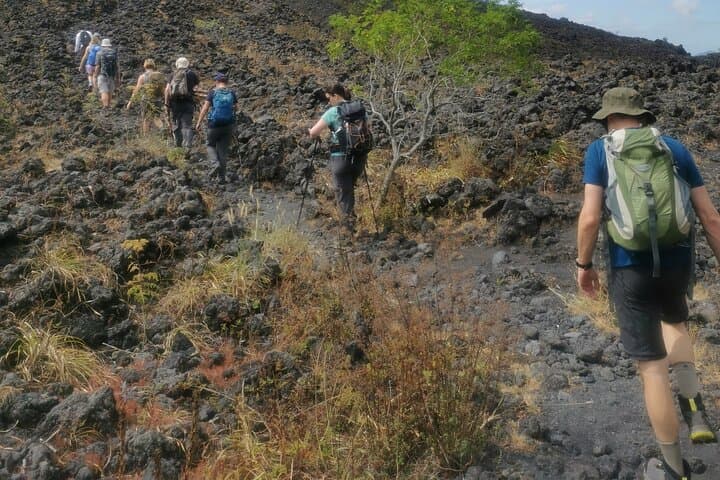
The hike itself is an exercise in contrasts. Expect volcanic scree that gives way under boot, then packed ash and shaded stretches of low cloud forest populated by hummingbirds and endemic shrubs. The ascent typically takes about 3–4 hours roundtrip for hikers of average fitness and covers steep sections where a steady pace and short breaks matter more than speed. At the rim, fumaroles hiss and the views open: Pacific coastline to the southwest, the serrated spine of western El Salvador to the north, and the blue bowl of Coatepeque below—where many tours pause for a relaxed lunch and, in warm months, a swim.
Practical details shape the experience. This private (or small-group) tour runs 7–10 hours door-to-door from the San Salvador/Sonsonate area and includes transportation, bottled water, and entrance to the volcanic area. Guides manage route and safety, but visitors should come prepared: layered clothing for wind and temperature shifts, stiff-soled boots for loose volcanic rock, and at least 2 liters of water. Start early to avoid midday heat and to catch clearer summit views; afternoon weather tends to close in.
Respect the mountain—avoid walking on fragile fumarolic vents, pack out trash, and follow your guide’s instructions. For travelers who want raw geology, confident ascent, and the reward of a sweeping ocean-and-lake panorama all in one day, Izalco delivers an elemental, readable landscape that still hums with the force that made it.
moderate.
7–10 hours.
Good cardiovascular fitness and leg strength for sustained uphill hiking and loose volcanic terrain
The summit hike portion is often scheduled as about 3–4 hours roundtrip depending on pace and group size; the full tour including travel and Lake Coatepeque time runs about 7–10 hours.
Izalco is considered active with fumarolic activity; guided hikes follow safe routes away from vents—always climb with an experienced guide and heed safety briefings.
Moderate fitness is recommended: regular walkers and hikers who can handle sustained uphill sections and unstable volcanic scree should be fine.
Children can join if physically capable of the hike; operators typically advise based on age and fitness—confirm with the tour provider and consider the risks of steep or loose sections.
Typical inclusions are round-trip transport from local hotels, bottled water, entrance to the volcanic area, and a guide; lunch at Lake Coatepeque may be included depending on the tour option.
Early morning is best—clearer summit views and cooler temperatures; afternoons often bring clouds and reduced visibility.
Izalco is the youngest in El Salvador’s volcanic chain and was historically visible as a glowing landmark at night; local place names preserve Nahua linguistic heritage.
Stick to established trails to protect fragile volcanic soils and native vegetation; tours often support local guides and park entrance fees that contribute to area management.
El Salvador Positive Tours operates guided outdoor trips and adventures with an emphasis on safety, stewardship, and memorable experiences.
A low cloud peels back just as the group crests the final knob of black tephra. The summit wind is sharp and restless; fumaroles murmur along the rim, breathing steam into the air while the Pacific flashes silver on the horizon. Hiking Izalco means moving across a geological page turned recently—rock still remembers fire—and arriving at a viewpoint where the Ruta de las Flores folds into distant hills and Lake Coatepeque hangs like a craterous mirror.
A low cloud peels back just as the group crests the final knob of black tephra. The summit wind is sharp and restless; fumaroles murmur along the rim, breathing steam into the air while the Pacific flashes silver on the horizon. Hiking Izalco means moving across a geological page turned recently—rock still remembers fire—and arriving at a viewpoint where the Ruta de las Flores folds into distant hills and Lake Coatepeque hangs like a craterous mirror.
Izalco, 1,985 meters above sea level, earned the nickname “Lighthouse of the Pacific” for the glow of lava that once marked its nightly silhouette. Geologically it’s the youngest volcano in El Salvador, built from Strombolian eruptions in the 18th and 19th centuries; fumarolic activity at the summit is a reminder that the mountain is still alive. Culturally, the slopes fall within Sonsonate department and share history with local Nahua communities—place names recall indigenous narratives and agricultural rhythms tied to coffee and maize.
The hike itself is an exercise in contrasts. Expect volcanic scree that gives way under boot, then packed ash and shaded stretches of low cloud forest populated by hummingbirds and endemic shrubs. The ascent typically takes about 3–4 hours roundtrip for hikers of average fitness and covers steep sections where a steady pace and short breaks matter more than speed. At the rim, fumaroles hiss and the views open: Pacific coastline to the southwest, the serrated spine of western El Salvador to the north, and the blue bowl of Coatepeque below—where many tours pause for a relaxed lunch and, in warm months, a swim.
Practical details shape the experience. This private (or small-group) tour runs 7–10 hours door-to-door from the San Salvador/Sonsonate area and includes transportation, bottled water, and entrance to the volcanic area. Guides manage route and safety, but visitors should come prepared: layered clothing for wind and temperature shifts, stiff-soled boots for loose volcanic rock, and at least 2 liters of water. Start early to avoid midday heat and to catch clearer summit views; afternoon weather tends to close in.
Respect the mountain—avoid walking on fragile fumarolic vents, pack out trash, and follow your guide’s instructions. For travelers who want raw geology, confident ascent, and the reward of a sweeping ocean-and-lake panorama all in one day, Izalco delivers an elemental, readable landscape that still hums with the force that made it.