THE ADVENTURE COLLECTIVE® · Independent discovery and booking for outdoor travel

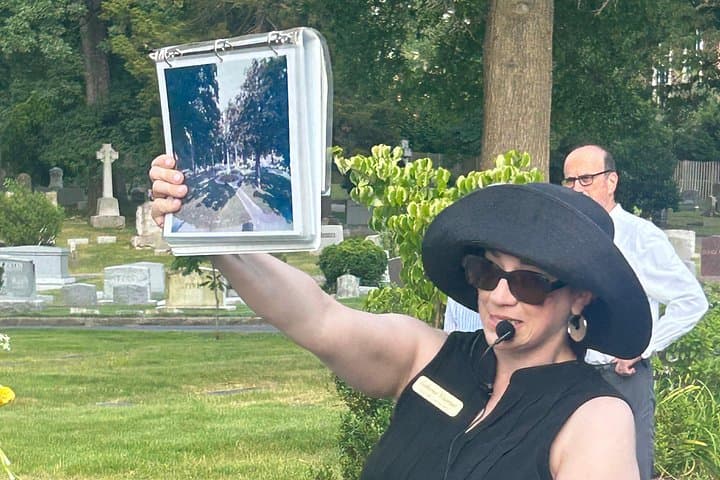
Explore Ivy Hill Cemetery on a 90-minute guided walk with historian Catherine Weinraub. Learn Victorian funeral customs, visit the receiving vault, and hear the lives behind the stones—practical, atmospheric, and rooted in Alexandria’s 19th-century history.
Explore Ivy Hill Cemetery on a 90-minute guided walk with historian Catherine Weinraub. Learn Victorian funeral customs, visit the receiving vault, and hear the lives behind the stones—practical, atmospheric, and rooted in Alexandria’s 19th-century history.
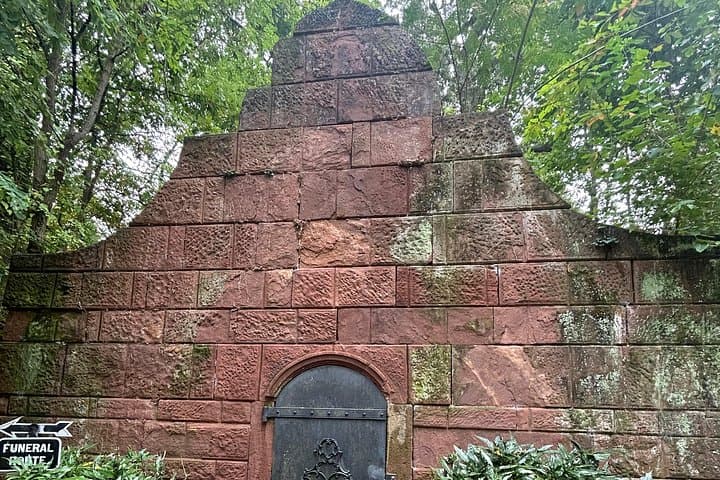
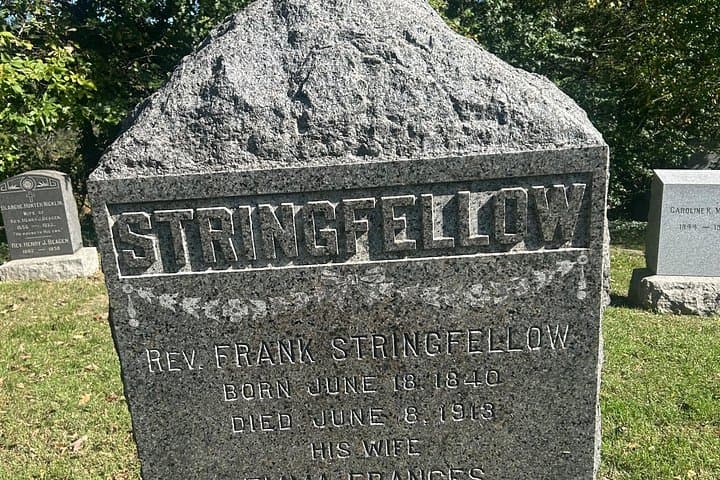
The path winds between granite and marble, oaks shading headstones that lean like old friends. On a damp morning the air feels slow; moss makes soft punctuation around carved names while the receiving vault’s iron door waits like a chapter seam. This is Ivy Hill Cemetery, where a 90-minute guided walk moves through Victorian funerary art, family plots, and the stories of Alexandrians who built commerce, negotiated treaties, ran apothecaries and fought in wars.
Verified experiences and guided adventures in the surrounding area.
Operated by Gravestone Stories · Alexandria, Virginia
The path winds between granite and marble, oaks shading headstones that lean like old friends. On a damp morning the air feels slow; moss makes soft punctuation around carved names while the receiving vault’s iron door waits like a chapter seam. This is Ivy Hill Cemetery, where a 90-minute guided walk moves through Victorian funerary art, family plots, and the stories of Alexandrians who built commerce, negotiated treaties, ran apothecaries and fought in wars.
Ivy Hill dates to the 19th century and reflects changing attitudes toward death and memorialization—you’ll see symbols of mourning, seasonal plantings, and the utilitarian receiving vault used before modern preservation. The geology is simple—low-lying Piedmont clay with mature oaks and maples that shape sightlines; monuments sit on mostly level ground with compacted gravel paths and patches of uneven stone. Locally, cemetery stewardship has been community-driven: volunteers and historians like Catherine Weinraub maintain records, repair inscriptions, and interpret the site’s social history.
For visitors, the tour is part history lesson, part outdoor stroll. Expect close readings of inscriptions, access to the receiving vault, and conversation about 19th-century funeral customs. Practical notes: wear sturdy shoes for uneven surfaces, bring a water bottle in summer, and plan for about 1.5 hours at a gentle but steady pace. Photography is welcome but always keep voices low and stay on paths—this is an active burial ground and a living record of Alexandria’s past.
moderate.
1.5 hours (90 minutes).
Participants should be able to walk for 90 minutes at a steady pace over mostly flat but uneven terrain.
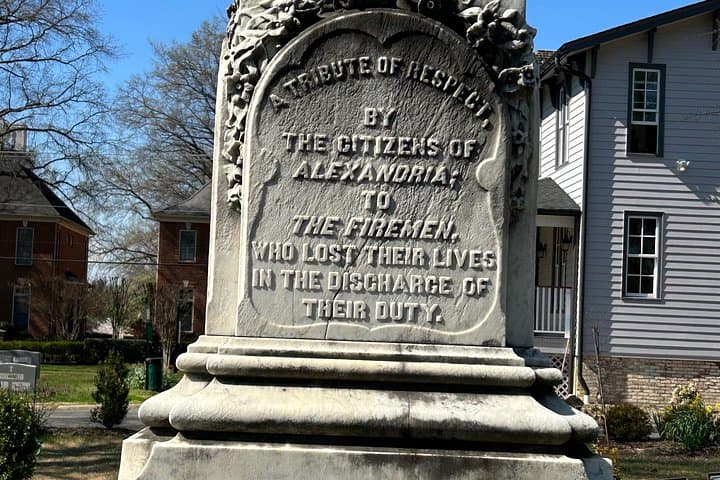
Tours meet at the Fireman’s Memorial Circle at the rear of the Ivy Hill Cemetery office, 2823 King Street; arrive 10 minutes early to check in with the guide.
Infants and small children may use strollers, but some paths are narrow or uneven—expect to step off paths occasionally.
Photography is generally allowed, but follow the guide’s instructions and avoid flash if guided preservation work is underway.
Tours run in light rain; for full refunds cancel at least 24 hours before the departure time per the standard policy.
Ivy Hill reflects 19th-century funerary design and serves as a record of Alexandria’s civic and commercial leaders; the cemetery’s layout and monuments illustrate changing mourning rituals.
Local preservation groups maintain stones and records; visitors are asked to stay on paths and avoid touching fragile monuments to minimize wear.
Gravestone Stories operates guided outdoor trips and adventures with an emphasis on safety, stewardship, and memorable experiences.
The path winds between granite and marble, oaks shading headstones that lean like old friends. On a damp morning the air feels slow; moss makes soft punctuation around carved names while the receiving vault’s iron door waits like a chapter seam. This is Ivy Hill Cemetery, where a 90-minute guided walk moves through Victorian funerary art, family plots, and the stories of Alexandrians who built commerce, negotiated treaties, ran apothecaries and fought in wars.
The path winds between granite and marble, oaks shading headstones that lean like old friends. On a damp morning the air feels slow; moss makes soft punctuation around carved names while the receiving vault’s iron door waits like a chapter seam. This is Ivy Hill Cemetery, where a 90-minute guided walk moves through Victorian funerary art, family plots, and the stories of Alexandrians who built commerce, negotiated treaties, ran apothecaries and fought in wars.
Ivy Hill dates to the 19th century and reflects changing attitudes toward death and memorialization—you’ll see symbols of mourning, seasonal plantings, and the utilitarian receiving vault used before modern preservation. The geology is simple—low-lying Piedmont clay with mature oaks and maples that shape sightlines; monuments sit on mostly level ground with compacted gravel paths and patches of uneven stone. Locally, cemetery stewardship has been community-driven: volunteers and historians like Catherine Weinraub maintain records, repair inscriptions, and interpret the site’s social history.
For visitors, the tour is part history lesson, part outdoor stroll. Expect close readings of inscriptions, access to the receiving vault, and conversation about 19th-century funeral customs. Practical notes: wear sturdy shoes for uneven surfaces, bring a water bottle in summer, and plan for about 1.5 hours at a gentle but steady pace. Photography is welcome but always keep voices low and stay on paths—this is an active burial ground and a living record of Alexandria’s past.