THE ADVENTURE COLLECTIVE® · Independent discovery and booking for outdoor travel

Step onto Miyajima’s shoreline where vermilion gates meet the tide. This 90-minute guided walk through Itsukushima Shrine combines architectural insight, Shinto history, and practical tips for timing your visit around the tides.
Step onto Miyajima’s shoreline where vermilion gates meet the tide. This 90-minute guided walk through Itsukushima Shrine combines architectural insight, Shinto history, and practical tips for timing your visit around the tides.
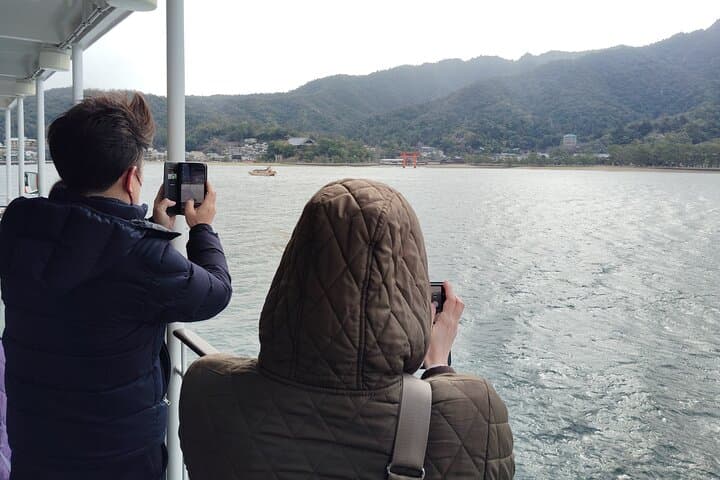
The vermilion torii rises from the bay like a gate between water and sky, and the boardwalk of Itsukushima Shrine leads you out into a shallow tide plain where boats once threaded beneath the buildings.
Verified experiences and guided adventures in the surrounding area.
Operated by DeepExperience · Hatsukaichi, Hiroshima Prefecture
The vermilion torii rises from the bay like a gate between water and sky, and the boardwalk of Itsukushima Shrine leads you out into a shallow tide plain where boats once threaded beneath the buildings.
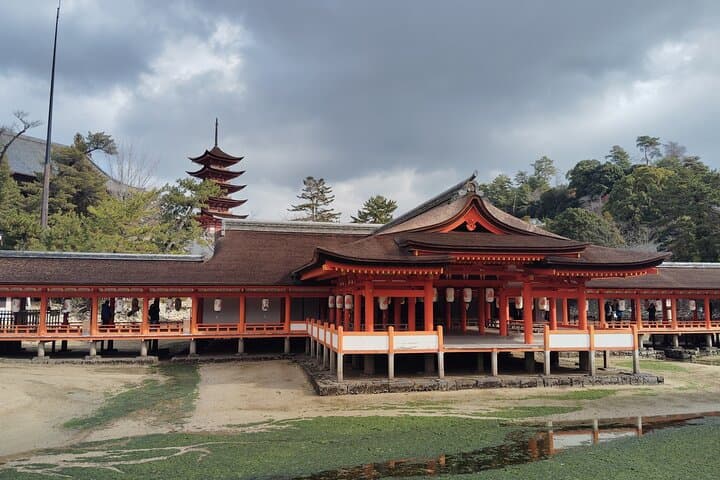
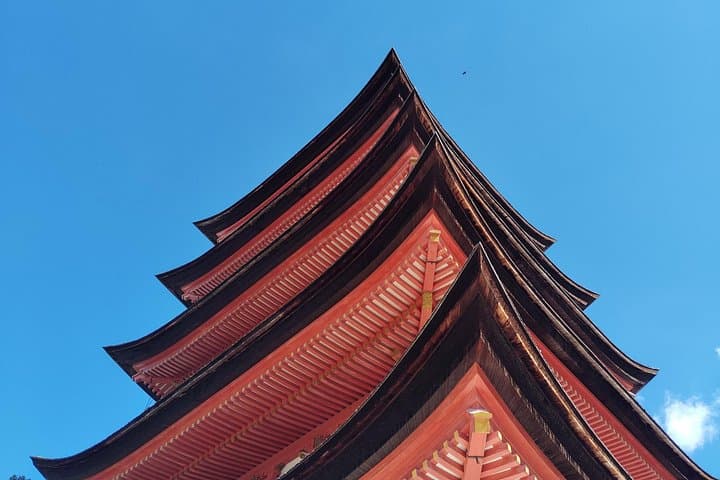
On this 90-minute guided walk visitors move at a steady pace through Miyajima’s waterfront approach and the shrine complex itself, hearing the architectural logic that lets the shrine “float” at high tide and the ritual reasons it stands apart from the island’s sacred interior. Your guide will point out the main hall’s raised stilts, the Toyokuni Shrine perched above, and the five-story pagoda whose Buddhist form shares space with Shinto shrines—an everyday example of Japan’s layered religious history.
Geology here matters: tidal ranges dramatically change the shoreline, exposing sand and eelgrass at low tide and reflecting the vermilion buildings at high. Culturally, Miyajima has been a pilgrimage site for centuries—its structures and pathways were built to keep the island’s inner slopes as the gods’ domain.
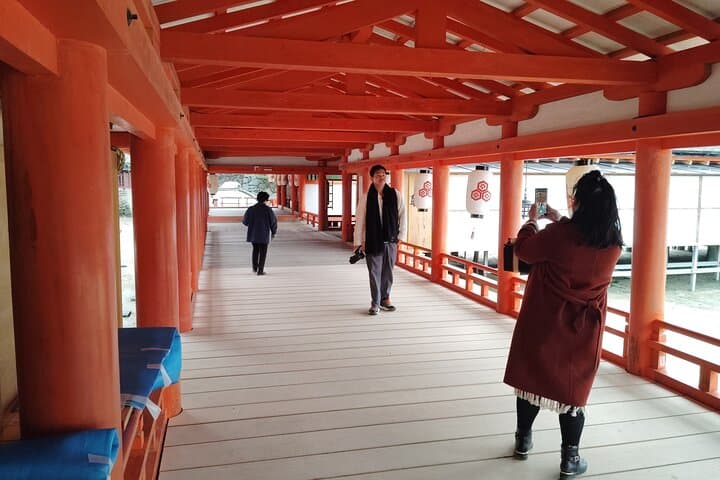
Practical details are straightforward. The tour includes shrine admission, requires moderate fitness for steps and uneven boardwalks, and departs from the statue of Taira no Kiyomori on the Omotesando approach. Expect crowded stretches near the torii at peak hours; photographers will time visits for low- or high-tide reflections. Respect site rules: remove hats inside certain buildings, avoid loud behavior, and don’t feed the tame deer that roam the pathways.
A short, focused tour like this is ideal for first-time visitors who want historical context and local insight without a long hike—bring comfortable footwear, a weather layer, and a running camera battery.
easy.
90 minutes.
Moderate—requires standing, short walks on uneven boardwalks and steps; not strenuous but not fully accessible for some mobility-impaired travelers.
Yes—the tour includes Itsukushima Shrine entrance; your guide handles tickets as part of the booking.
High tide submerges the lower decking and creates reflective views of the torii, while low tide exposes the sand flats and lets you approach the base of the gate on foot.
The tour is family-friendly but requires moderate mobility for steps and uneven surfaces; inform the operator of any mobility concerns when booking.
Photography is allowed in many outdoor areas, but certain indoor spaces may restrict photos—follow your guide’s instructions and posted signs.
Itsukushima Shrine is a Shinto complex dedicated to sea goddesses; its raised, pier-like construction preserves the island’s inner slopes as sacred space and earned UNESCO World Heritage status.
High visitor numbers and interaction with deer require mindful behavior—avoid feeding wildlife, stay on boardwalks, and follow signage to protect wooden structures and shoreline habitats.
DeepExperience operates guided outdoor trips and adventures with an emphasis on safety, stewardship, and memorable experiences.
The vermilion torii rises from the bay like a gate between water and sky, and the boardwalk of Itsukushima Shrine leads you out into a shallow tide plain where boats once threaded beneath the buildings.
The vermilion torii rises from the bay like a gate between water and sky, and the boardwalk of Itsukushima Shrine leads you out into a shallow tide plain where boats once threaded beneath the buildings.
On this 90-minute guided walk visitors move at a steady pace through Miyajima’s waterfront approach and the shrine complex itself, hearing the architectural logic that lets the shrine “float” at high tide and the ritual reasons it stands apart from the island’s sacred interior. Your guide will point out the main hall’s raised stilts, the Toyokuni Shrine perched above, and the five-story pagoda whose Buddhist form shares space with Shinto shrines—an everyday example of Japan’s layered religious history.
Geology here matters: tidal ranges dramatically change the shoreline, exposing sand and eelgrass at low tide and reflecting the vermilion buildings at high. Culturally, Miyajima has been a pilgrimage site for centuries—its structures and pathways were built to keep the island’s inner slopes as the gods’ domain.
Practical details are straightforward. The tour includes shrine admission, requires moderate fitness for steps and uneven boardwalks, and departs from the statue of Taira no Kiyomori on the Omotesando approach. Expect crowded stretches near the torii at peak hours; photographers will time visits for low- or high-tide reflections. Respect site rules: remove hats inside certain buildings, avoid loud behavior, and don’t feed the tame deer that roam the pathways.
A short, focused tour like this is ideal for first-time visitors who want historical context and local insight without a long hike—bring comfortable footwear, a weather layer, and a running camera battery.