THE ADVENTURE COLLECTIVE® · Independent discovery and booking for outdoor travel

Turn Cornell’s Arts Quad and Ithaca streets into a two-hour puzzle: a self-guided, app-led scavenger hunt that mixes local history, photo challenges, and waterfallside detours. Ideal for teams, families, and anyone who likes exploration with a plan.
Turn Cornell’s Arts Quad and Ithaca streets into a two-hour puzzle: a self-guided, app-led scavenger hunt that mixes local history, photo challenges, and waterfallside detours. Ideal for teams, families, and anyone who likes exploration with a plan.
The hunt begins at the edge of Cornell’s Arts Quad, where brick walkways warm underfoot and the scent of wet stone from nearby gorges threads the air. Teams fan out—phones in hand, eyes scanning plaques, sculptures and stairways—solving riddles that turn campus corners and city streets into checkpoints. Laughter and low-voiced strategy mix with the distant rush of creeks daring you toward Triphammer Falls.
Verified experiences and guided adventures in the surrounding area.
Operated by Let's Roam · Ithaca, New York
The hunt begins at the edge of Cornell’s Arts Quad, where brick walkways warm underfoot and the scent of wet stone from nearby gorges threads the air. Teams fan out—phones in hand, eyes scanning plaques, sculptures and stairways—solving riddles that turn campus corners and city streets into checkpoints. Laughter and low-voiced strategy mix with the distant rush of creeks daring you toward Triphammer Falls.
Ithaca’s story is both academic and geological: carved by glaciers, its gorges and waterfalls punctuate a city shaped by water and 19th-century university ambition. Ezra Cornell’s vision in the 1860s placed scholarship on steep hills, and that history shows in bay windows, old brick, and performance spaces like Bailey Hall. The scavenger hunt threads those cultural markers with playful challenges—photo prompts, local trivia and short research tasks that push teams to learn as they race.
Expect varied surfaces: paved sidewalks, granite steps, and short grassy slopes. The route is self-guided via the Let’s Roam app, so pacing is yours—two hours is typical for a full circuit. Wear supportive shoes, carry a charged phone and a small power bank, and plan your start around class changes if you prefer quieter stretches. Public transit and parking are available near starting points, and the hunt is wheelchair accessible on primary paths.
Practical tips: download the app and offline map if you want to avoid spotty service near gorges; split roles—navigator, photographer, clue-solver—to move faster; schedule early or late in the day to avoid peak campus activity; respect campus rules and private property while you explore. This is urban adventure with a trail’s attention to logistics—fast, social, and rooted in place.
moderate.
2 hours.
Moderate mobility and stamina for walking, stairs and quick bursts of activity; suitable for most adults and older children.
No—this is a self-guided private activity you can start at any time after booking; the app lets you set your own pace.
Primary routes and many checkpoints are on paved paths and are wheelchair accessible, though some viewpoints near gorges may have stairs or uneven surfaces.
The experience supports teams of varying sizes; each booking provides app access and individual roles for players—check group limits in the app if organizing a very large team.
All sales are final for this product; check forecasts and dress for conditions—many challenges are outdoors and can be affected by heavy rain or ice.
Cornell University was founded in 1865 with a mission to teach and make contributions across disciplines; campus architecture and Bailey Hall reflect a long tradition of performance and scholarship.
Ithaca’s gorges and waterfalls are protected by local conservation rules—stay on marked paths and pack out trash to help preserve fragile cliffside plants.
Let's Roam operates guided outdoor trips and adventures with an emphasis on safety, stewardship, and memorable experiences.

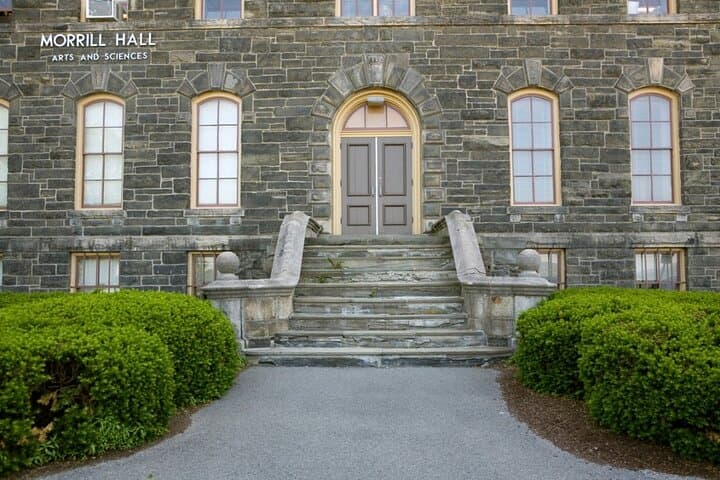
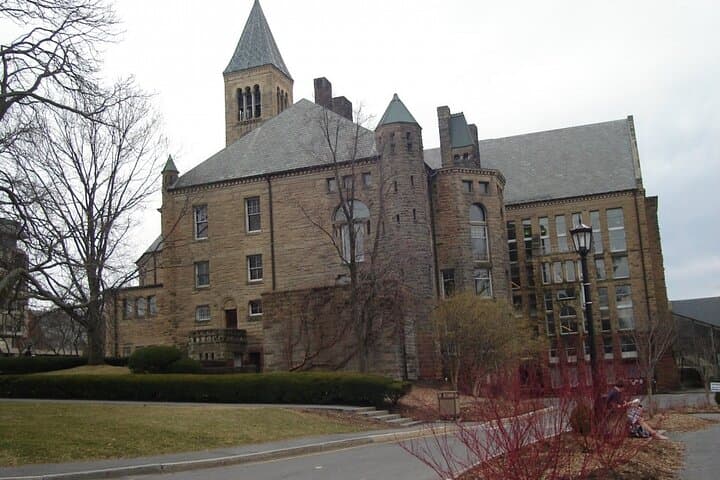
The hunt begins at the edge of Cornell’s Arts Quad, where brick walkways warm underfoot and the scent of wet stone from nearby gorges threads the air. Teams fan out—phones in hand, eyes scanning plaques, sculptures and stairways—solving riddles that turn campus corners and city streets into checkpoints. Laughter and low-voiced strategy mix with the distant rush of creeks daring you toward Triphammer Falls.
The hunt begins at the edge of Cornell’s Arts Quad, where brick walkways warm underfoot and the scent of wet stone from nearby gorges threads the air. Teams fan out—phones in hand, eyes scanning plaques, sculptures and stairways—solving riddles that turn campus corners and city streets into checkpoints. Laughter and low-voiced strategy mix with the distant rush of creeks daring you toward Triphammer Falls.
Ithaca’s story is both academic and geological: carved by glaciers, its gorges and waterfalls punctuate a city shaped by water and 19th-century university ambition. Ezra Cornell’s vision in the 1860s placed scholarship on steep hills, and that history shows in bay windows, old brick, and performance spaces like Bailey Hall. The scavenger hunt threads those cultural markers with playful challenges—photo prompts, local trivia and short research tasks that push teams to learn as they race.
Expect varied surfaces: paved sidewalks, granite steps, and short grassy slopes. The route is self-guided via the Let’s Roam app, so pacing is yours—two hours is typical for a full circuit. Wear supportive shoes, carry a charged phone and a small power bank, and plan your start around class changes if you prefer quieter stretches. Public transit and parking are available near starting points, and the hunt is wheelchair accessible on primary paths.
Practical tips: download the app and offline map if you want to avoid spotty service near gorges; split roles—navigator, photographer, clue-solver—to move faster; schedule early or late in the day to avoid peak campus activity; respect campus rules and private property while you explore. This is urban adventure with a trail’s attention to logistics—fast, social, and rooted in place.