THE ADVENTURE COLLECTIVE® · Independent discovery and booking for outdoor travel

Float the seam where the dark Itaya meets the tannin-rich Amazon and watch for pink and gray river dolphins. This private, 4-hour launch tour mixes wildlife watching with local riverfront culture—ideal for early-morning outings from Iquitos.
Float the seam where the dark Itaya meets the tannin-rich Amazon and watch for pink and gray river dolphins. This private, 4-hour launch tour mixes wildlife watching with local riverfront culture—ideal for early-morning outings from Iquitos.
A low, humid dawn pushes steam off the river as a narrow launch slips from Iquitos and eases toward where the dark-brown Itaya meets the chocolate-colored Amazon. The two rivers refuse to mix at first, a visible seam that traces the confluence; riverbanks band with palms, exposed roots, and small stilt villages that watch the water like a living clock.
Verified experiences and guided adventures in the surrounding area.
Operated by Kelwin Peña Andrade · Iquitos, Loreto
A low, humid dawn pushes steam off the river as a narrow launch slips from Iquitos and eases toward where the dark-brown Itaya meets the chocolate-colored Amazon. The two rivers refuse to mix at first, a visible seam that traces the confluence; riverbanks band with palms, exposed roots, and small stilt villages that watch the water like a living clock.
The meeting of the Itaya and the Amazon is more than a photo moment: it's a corridor shaped by Pleistocene sediments and seasonal flood pulses that have guided regional transport and culture for centuries. Iquitos grew during the rubber boom on these channels; today local communities still fish, trade, and commute by boat. Geologically the rivers carry different sediments—organic-rich blackwater from the Itaya and tannin-laden Amazon flows—so where they meet you can literally see the mixture of ecosystems.
On a guided 4-hour private tour visitors search surfaced channels for Amazonian pink and gray dolphins, scan overhanging branches for kingfishers and herons, and pass houseboats and floating markets that form daily life on the water.
Practical guidance: travel early to avoid midday heat, bring binoculars and insect protection, and keep motion sickness meds if you’re prone to seasickness. Guides explain local fishing practices and conservation rules—don’t feed wildlife and keep distance from dolphin groups. Photography is easiest with a telephoto and fast shutter; shore stops are short, so keep layers, sun protection, and a water bottle handy. This is a gentle, immersive river experience accessible to most travelers who can board a small boat.
easy.
3–4 hours.
Suitable for most fitness levels; requires ability to step into a small boat and remain seated for stretches
The activity lasts about 4 hours (240 minutes) including time on the river and short shore stops.
Dolphin sightings are common but not guaranteed; visibility depends on season, river conditions, and animal movement.
Yes—infants must sit on an adult’s lap and specialized infant seats are available; the tour is private and accommodates families.
The tour is considered physically easy but is not recommended for travelers with serious back, heart, or pregnancy-related restrictions; boarding involves stepping into a small boat.
Iquitos expanded during the late 19th-century rubber boom; rivers have long been the principal transport and trade routes shaping local settlements and markets.
The Amazon’s river systems are sensitive to overfishing and pollution—respect local guidelines, avoid feeding wildlife, and support operators that follow sustainable wildlife viewing practices.
Kelwin Peña Andrade operates guided outdoor trips and adventures with an emphasis on safety, stewardship, and memorable experiences.
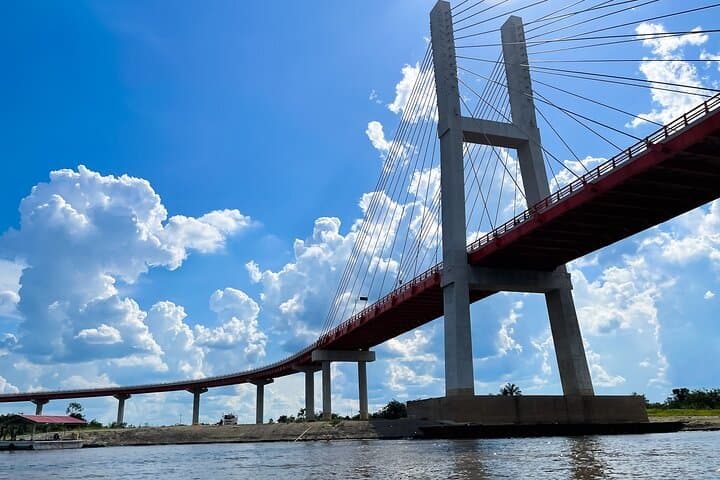
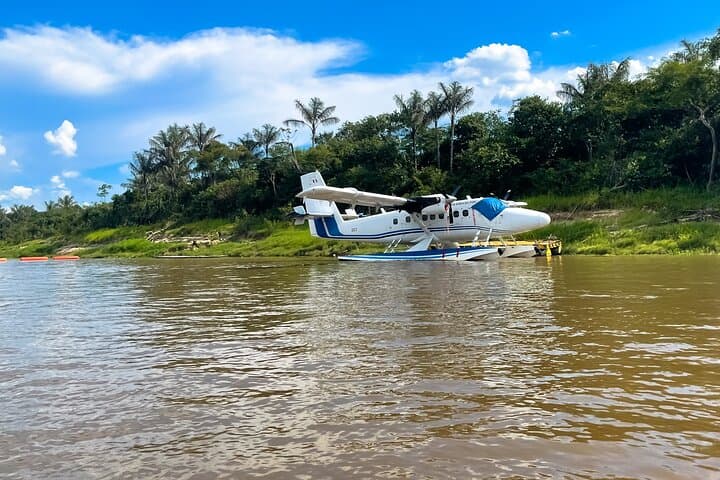
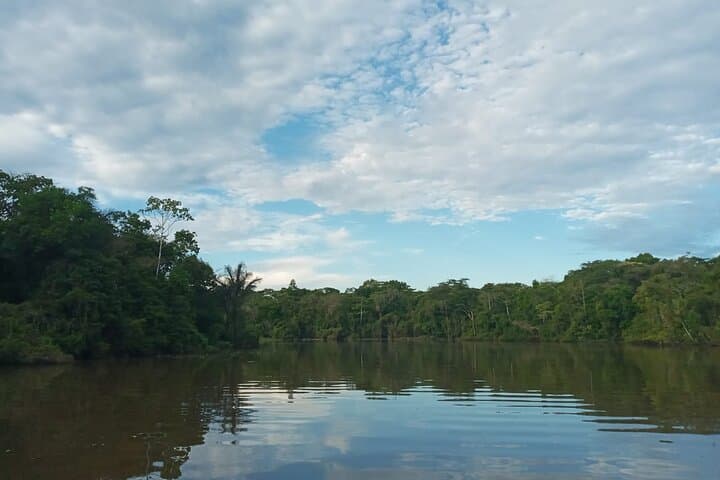
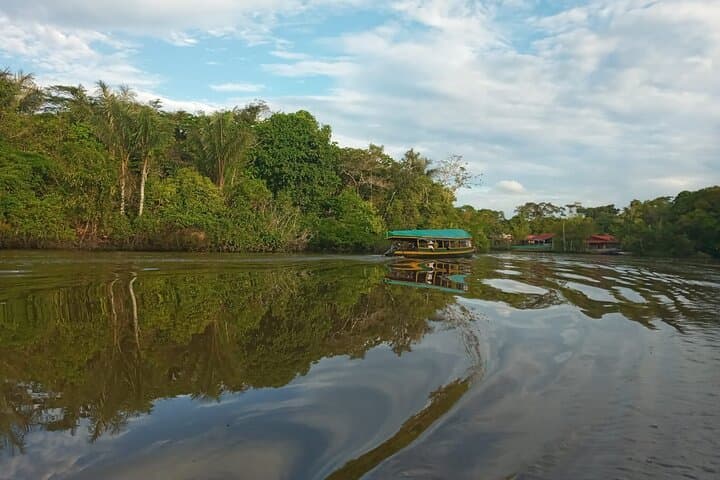
A low, humid dawn pushes steam off the river as a narrow launch slips from Iquitos and eases toward where the dark-brown Itaya meets the chocolate-colored Amazon. The two rivers refuse to mix at first, a visible seam that traces the confluence; riverbanks band with palms, exposed roots, and small stilt villages that watch the water like a living clock.
A low, humid dawn pushes steam off the river as a narrow launch slips from Iquitos and eases toward where the dark-brown Itaya meets the chocolate-colored Amazon. The two rivers refuse to mix at first, a visible seam that traces the confluence; riverbanks band with palms, exposed roots, and small stilt villages that watch the water like a living clock.
The meeting of the Itaya and the Amazon is more than a photo moment: it's a corridor shaped by Pleistocene sediments and seasonal flood pulses that have guided regional transport and culture for centuries. Iquitos grew during the rubber boom on these channels; today local communities still fish, trade, and commute by boat. Geologically the rivers carry different sediments—organic-rich blackwater from the Itaya and tannin-laden Amazon flows—so where they meet you can literally see the mixture of ecosystems.
On a guided 4-hour private tour visitors search surfaced channels for Amazonian pink and gray dolphins, scan overhanging branches for kingfishers and herons, and pass houseboats and floating markets that form daily life on the water.
Practical guidance: travel early to avoid midday heat, bring binoculars and insect protection, and keep motion sickness meds if you’re prone to seasickness. Guides explain local fishing practices and conservation rules—don’t feed wildlife and keep distance from dolphin groups. Photography is easiest with a telephoto and fast shutter; shore stops are short, so keep layers, sun protection, and a water bottle handy. This is a gentle, immersive river experience accessible to most travelers who can board a small boat.