THE ADVENTURE COLLECTIVE® · Independent discovery and booking for outdoor travel

Paddle the upper Arajuno River, stay at Itamandi Eco-Lodge, and explore creeks, parrot clay-licks, and a wildlife shelter over three active days. This hands-on Amazon experience pairs guided kayaking with night walks and a Kichwa community visit.
Paddle the upper Arajuno River, stay at Itamandi Eco-Lodge, and explore creeks, parrot clay-licks, and a wildlife shelter over three active days. This hands-on Amazon experience pairs guided kayaking with night walks and a Kichwa community visit.
Mist sits low on the Arajuno at first light, and the river seems to breathe as paddles break the glassy surface. On day one you cross the eastern Andean flank—four hours of climbing roads and sudden waterfalls—until the forest opens and the Itamandi eco-lodge appears as a simple cluster of cabins beside the water. Kayaks launch from a muddied shore; toucans call from the canopy while guides point out side channels where otters and caimans slip away like moving shadows.
Verified experiences and guided adventures in the surrounding area.
Operated by Adventure Journeys · Quito, Pichincha
Mist sits low on the Arajuno at first light, and the river seems to breathe as paddles break the glassy surface. On day one you cross the eastern Andean flank—four hours of climbing roads and sudden waterfalls—until the forest opens and the Itamandi eco-lodge appears as a simple cluster of cabins beside the water. Kayaks launch from a muddied shore; toucans call from the canopy while guides point out side channels where otters and caimans slip away like moving shadows.
This route threads natural history and culture: the Arajuno cuts through young Amazonian geology—soft alluvial soils fed by Andean runoff—and hosts clay-licks that parrots visit to neutralize seeds and toxins. The Kichwa communities here have lived along these rivers for generations; visits to Santa Bárbara offer a direct look at traditional knowledge and local conservation efforts. The trip also includes a visit to a wildlife shelter, supporting rehabilitation and reintroduction work.
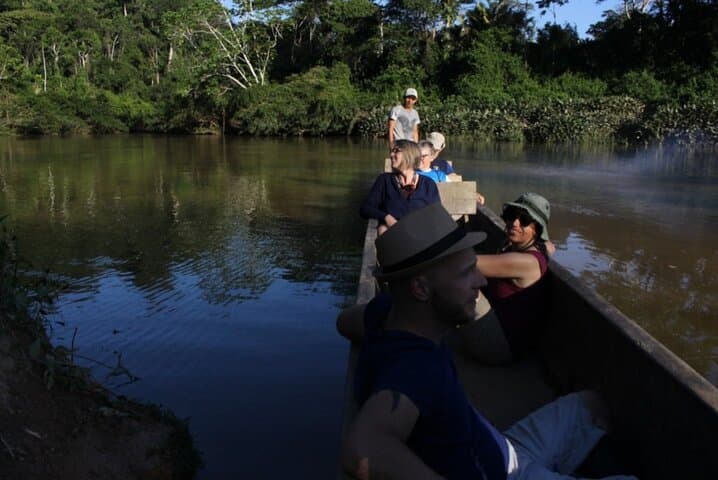
Practically, expect two-hour paddling legs downstream, evening jungle walks, and a morning canoe to a parrot clay-lick before a final detour to Papallacta hot springs as the route climbs back into cloud forest and Andes. Wear quick-dry layers, keep insect protection accessible, and carry a small dry bag for electronics. Guides manage logistics, but basic balance in a sit-on-top or inflatable kayak and comfort with wet conditions will make the three-day experience smooth. Timing your travel from Quito in advance and planning for variable rainforest weather will keep the trip focused on wildlife sightings and simple, immersive river travel.
moderate.
3 days (approx. 72 hours).
Suitable for most fitness levels; participants should be comfortable with 2-hour paddles, short hikes, and basic mobility in wet, muddy terrain.
You do not need elite fitness; paddles are mostly 1.5–2 hour downstream sections guided at a steady pace with options to rest on riverbanks.
Yes—travelers must carry a valid passport; check visa requirements for Ecuador based on your nationality and bring copies stored in a dry bag.
No; sightings vary by season and luck, but guides know local hotspots for parrots, monkeys, otters and caimans and maximize viewing opportunities.
Yes—accommodation at Itamandi Eco-Lodge (double occupancy) and meals listed in the itinerary (breakfasts, lunches, dinners) are included.
Kichwa peoples have inhabited these headwater rivers for generations; many communities blend traditional riverine livelihoods with modern conservation initiatives.
The trip supports a local animal shelter and community projects—visitors should follow low-impact guidelines (no feeding wildlife, carry out waste) to minimize disturbance.
Adventure Journeys operates guided outdoor trips and adventures with an emphasis on safety, stewardship, and memorable experiences.
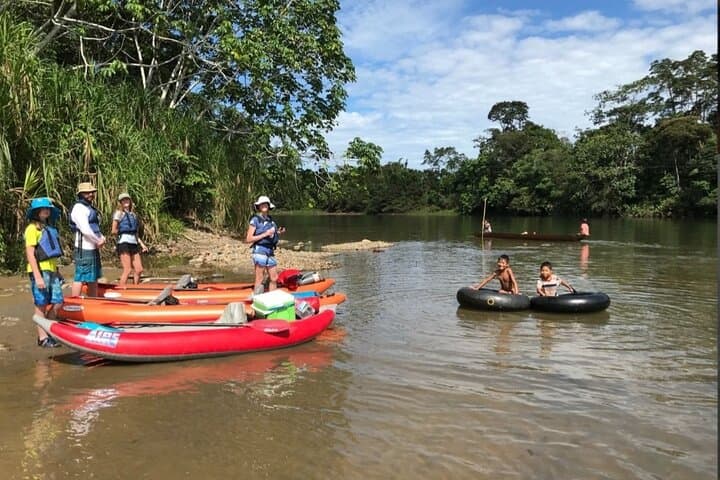
Mist sits low on the Arajuno at first light, and the river seems to breathe as paddles break the glassy surface. On day one you cross the eastern Andean flank—four hours of climbing roads and sudden waterfalls—until the forest opens and the Itamandi eco-lodge appears as a simple cluster of cabins beside the water. Kayaks launch from a muddied shore; toucans call from the canopy while guides point out side channels where otters and caimans slip away like moving shadows.
Mist sits low on the Arajuno at first light, and the river seems to breathe as paddles break the glassy surface. On day one you cross the eastern Andean flank—four hours of climbing roads and sudden waterfalls—until the forest opens and the Itamandi eco-lodge appears as a simple cluster of cabins beside the water. Kayaks launch from a muddied shore; toucans call from the canopy while guides point out side channels where otters and caimans slip away like moving shadows.
This route threads natural history and culture: the Arajuno cuts through young Amazonian geology—soft alluvial soils fed by Andean runoff—and hosts clay-licks that parrots visit to neutralize seeds and toxins. The Kichwa communities here have lived along these rivers for generations; visits to Santa Bárbara offer a direct look at traditional knowledge and local conservation efforts. The trip also includes a visit to a wildlife shelter, supporting rehabilitation and reintroduction work.
Practically, expect two-hour paddling legs downstream, evening jungle walks, and a morning canoe to a parrot clay-lick before a final detour to Papallacta hot springs as the route climbs back into cloud forest and Andes. Wear quick-dry layers, keep insect protection accessible, and carry a small dry bag for electronics. Guides manage logistics, but basic balance in a sit-on-top or inflatable kayak and comfort with wet conditions will make the three-day experience smooth. Timing your travel from Quito in advance and planning for variable rainforest weather will keep the trip focused on wildlife sightings and simple, immersive river travel.