
Itálica Ruins & Game of Thrones Dragonpit: Seville Roman Empire Tour
Walk the stone streets of Itálica where Roman emperors were born and Game of Thrones filmed the Dragonpit. This two-hour guided tour combines amphitheatre drama, preserved mosaics and straightforward logistics from Seville.
An Adventure In Seville.
Walk the stone streets of Itálica where Roman emperors were born and Game of Thrones filmed the Dragonpit. This two-hour guided tour combines amphitheatre drama, preserved mosaics and straightforward logistics from Seville.
Read the full experience
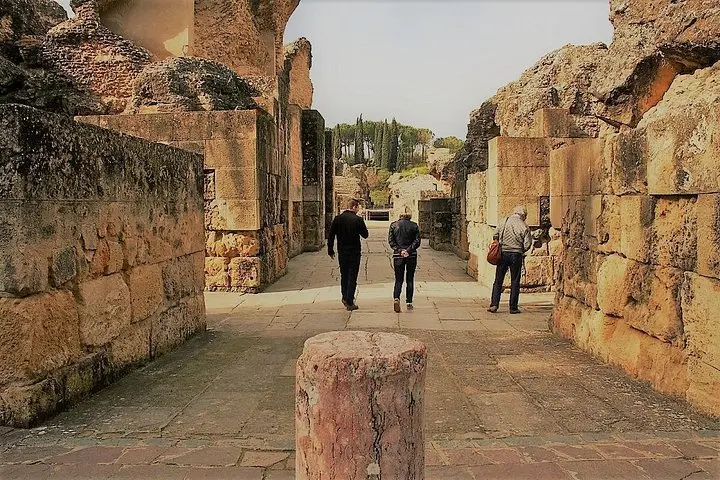
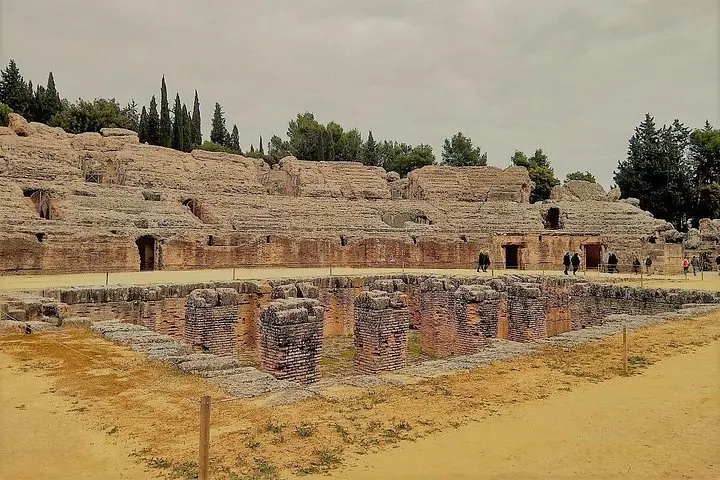
You step out of the minivan and the light changes—wide, sun-baked stones lead away from a low modern fence into a city that has been silent since the Romans left. The amphitheatre rises ahead, an oval of weathered stone that once held 25,000 voices; in one corner the camera angles you recognize from Game of Thrones reappear like stage directions among columns and moss.
You step out of the minivan and the light changes—wide, sun-baked stones lead away from a low modern fence into a city that has been silent since the Romans left. The amphitheatre rises ahead, an oval of weathered stone that once held 25,000 voices; in one corner the camera angles you recognize from Game of Thrones reappear like stage directions among columns and moss.
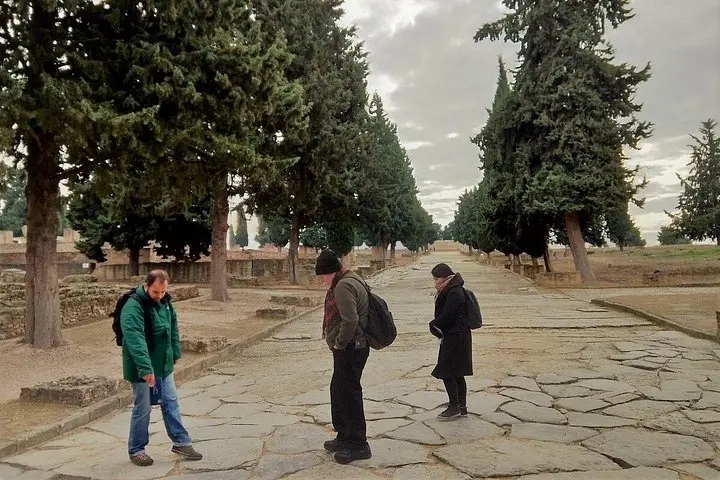
Founded in 206 BC, Itálica was the first Roman city on the Iberian Peninsula and the birthplace of emperors Trajan and Hadrian. The site’s streets align with the old cardo and decumanus; underfoot are mosaics and the remains of domus that map daily life — kitchens, baths and private courtyards. Geology here is simple: sedimentary plains carved by the Guadalquivir, offering clay-rich soils that preserved tesserae and foundations.
Culturally the area shifts fast: Santiponce villages sit close by, and later medieval layers appear at nearby San Isidoro del Campo, a restored monastery often included on the route. Guides knit TV lore and archaeology together, pointing out where fiction used the amphitheatre as the Dragonpit and where real history played out in stone.
Practically: this is a largely flat, short walk but surfaces are uneven and exposed to sun. The standard tour runs about two hours with skip-the-line entry; options include hotel pick-up from Seville. Bring water, sun protection and sturdy shoes; allow extra time if you want detailed photography or the optional visit to San Isidoro. Respect ropes and signage—mosaics and pared domus are fragile. With easy logistics and high visual payoff, Itálica delivers both cinematic moments and a compact, legible slice of Roman Spain.
Frequently asked questions
Yes—this guided option includes entrance to the archaeological site (admission is listed as included in the itinerary).
Options include the tour’s minivan pick-up from a designated office in Seville or meeting directly at the Itálica entrance if you select the without-transport option.
The tour page notes wheelchair accessibility, but expect limited access in some areas due to uneven ancient surfaces and protective barriers.
Itálica’s amphitheatre and surrounding ruins were used to represent the Dragonpit in Season 7; guides will point out recognizable camera positions during the visit.
About This Experience
Naturanda Turismo Ambiental operates guided outdoor trips and adventures with an emphasis on safety, stewardship, and memorable experiences.
Adventure tips
Recommended gear
- Sturdy walking shoes: Protects against uneven stone and improves comfort during the site walk.
- Reusable water bottle: Keeps you hydrated in Seville’s sun—refill before the tour or at your hotel.
- Sun hat and sunscreen: Direct exposure at the ruins makes sun protection essential in warm months.
- Light daypack: Carries water, guidebook, and any layers without getting in the way of the tour.
Photos of the experience
Related adventures & guides
Read the full experience
You step out of the minivan and the light changes—wide, sun-baked stones lead away from a low modern fence into a city that has been silent since the Romans left. The amphitheatre rises ahead, an oval of weathered stone that once held 25,000 voices; in one corner the camera angles you recognize from Game of Thrones reappear like stage directions among columns and moss.
You step out of the minivan and the light changes—wide, sun-baked stones lead away from a low modern fence into a city that has been silent since the Romans left. The amphitheatre rises ahead, an oval of weathered stone that once held 25,000 voices; in one corner the camera angles you recognize from Game of Thrones reappear like stage directions among columns and moss.
Founded in 206 BC, Itálica was the first Roman city on the Iberian Peninsula and the birthplace of emperors Trajan and Hadrian. The site’s streets align with the old cardo and decumanus; underfoot are mosaics and the remains of domus that map daily life — kitchens, baths and private courtyards. Geology here is simple: sedimentary plains carved by the Guadalquivir, offering clay-rich soils that preserved tesserae and foundations.
Culturally the area shifts fast: Santiponce villages sit close by, and later medieval layers appear at nearby San Isidoro del Campo, a restored monastery often included on the route. Guides knit TV lore and archaeology together, pointing out where fiction used the amphitheatre as the Dragonpit and where real history played out in stone.
Practically: this is a largely flat, short walk but surfaces are uneven and exposed to sun. The standard tour runs about two hours with skip-the-line entry; options include hotel pick-up from Seville. Bring water, sun protection and sturdy shoes; allow extra time if you want detailed photography or the optional visit to San Isidoro. Respect ropes and signage—mosaics and pared domus are fragile. With easy logistics and high visual payoff, Itálica delivers both cinematic moments and a compact, legible slice of Roman Spain.
Make a day of it nearby.
Verified experiences and guided adventures in the surrounding area.