THE ADVENTURE COLLECTIVE® · Independent discovery and booking for outdoor travel

Walk ancient streets where emperors were born and mosaics still tell stories. This short private tour of Itálica offers a compact, revealing look at Roman life just outside Seville.
Walk ancient streets where emperors were born and mosaics still tell stories. This short private tour of Itálica offers a compact, revealing look at Roman life just outside Seville.
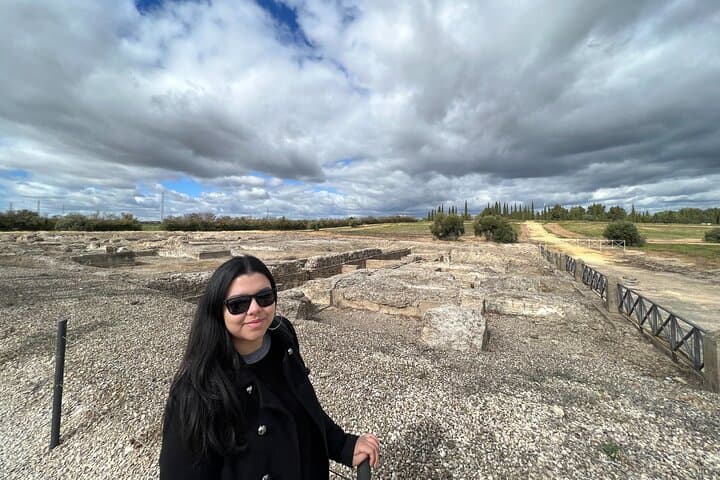
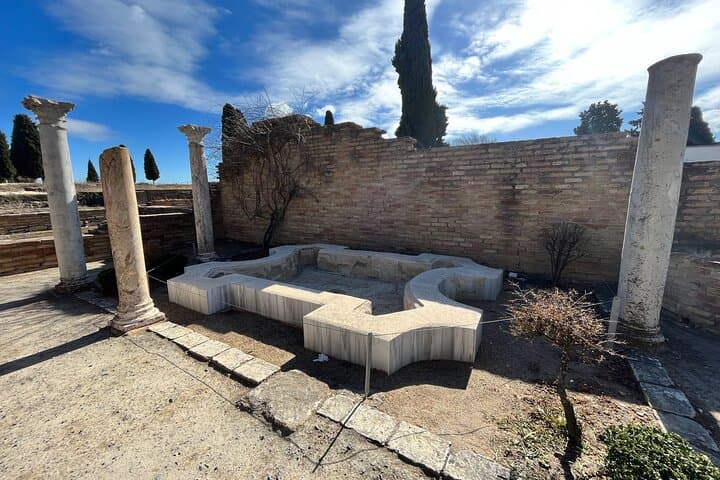
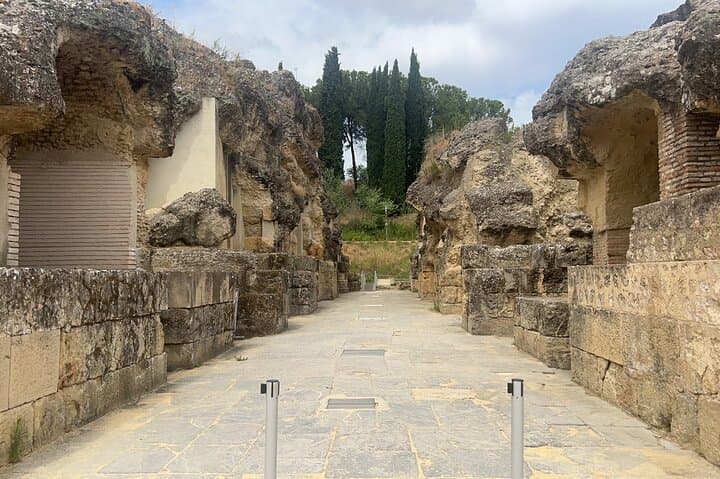
Dust and sun meet stone as you step into Itálica's wide avenues—columns cut by time, mosaics catching light like fragments of a vanished street life. Walks here move at an archaeological pace: short climbs to amphitheater tiers, low arches that frame orchards and distant cork oaks, and rooms where tile and tesserae still draw stories beneath your feet.
Verified experiences and guided adventures in the surrounding area.
Operated by ALTAI - Alba Tourism and Interpretation · Santiponce, Andalusia
Dust and sun meet stone as you step into Itálica's wide avenues—columns cut by time, mosaics catching light like fragments of a vanished street life. Walks here move at an archaeological pace: short climbs to amphitheater tiers, low arches that frame orchards and distant cork oaks, and rooms where tile and tesserae still draw stories beneath your feet.
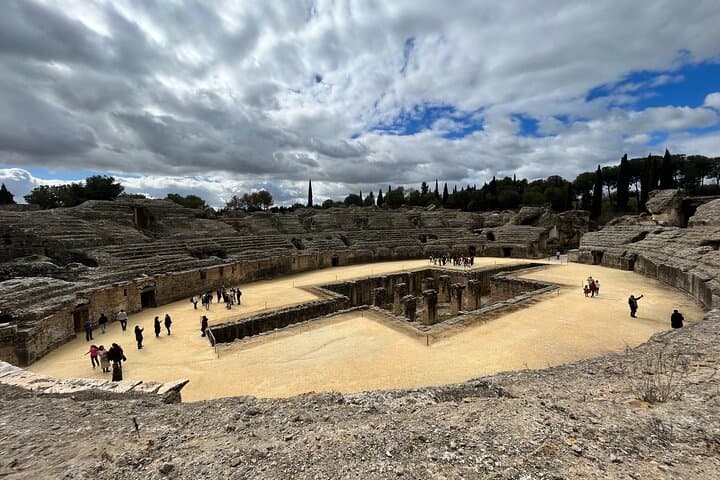
Founded in 206 BCE, Itálica grew from a military colony into a bustling Roman city and later produced emperors Trajan and Hadrian. The volcanic soils of the Guadalquivir plain left compact, walkable ground; builder’s stone and fired brick reveal construction methods that weathered centuries. Local culture blends Andalusian village life in nearby Santiponce with the quiet guardianship of archaeologists preserving delicate mosaics. The amphitheater—one of the largest in Hispania—still channels sound the way it did for gladiatorial matches and public spectacle; modern visitors sometimes recognize it from filmed scenes.
Practical guidance keeps the visit focused: the standard walk takes about two hours, with uneven surfaces and short stepped sections—good, supportive footwear matters. Bring water and sun protection in summer; visit early morning or late afternoon for cooler light and softer shadows across geometric mosaics. Tickets are paid onsite in cash (€1.50 per person) and guided tours often save time and add context. Respect ropes and signage—many surfaces are fragile—and allow 15–30 minutes for the amphitheater alone if you like to read inscriptions and imagine the city’s pulse.
moderate.
2 hours.
Moderate level of fitness for walking on uneven ground and some short steps; suitable for most active travelers.
Typical guided or self-guided visits last about two hours, with 60–90 minutes enough to see main highlights including the amphitheater and major houses.
No—site entry is paid onsite in cash (usually €1.50 per person); confirm current rates locally as they can change.
Many areas have uneven paving and steps; access is limited—contact the site in advance about specific accessibility needs.
Yes, private tours are offered for small parties; they often include pick-up options from central Seville or meeting at the archaeological site.
Itálica was founded in 206 BCE as a Roman colony and later became the birthplace of emperors Trajan and Hadrian; its amphitheater and mosaics reflect its urban importance in Hispania.
Many mosaics and floors are fragile—stay on marked routes and follow signage; local conservation efforts limit visitor impact and support ongoing archaeological work.
ALTAI - Alba Tourism and Interpretation operates guided outdoor trips and adventures with an emphasis on safety, stewardship, and memorable experiences.
Dust and sun meet stone as you step into Itálica's wide avenues—columns cut by time, mosaics catching light like fragments of a vanished street life. Walks here move at an archaeological pace: short climbs to amphitheater tiers, low arches that frame orchards and distant cork oaks, and rooms where tile and tesserae still draw stories beneath your feet.
Dust and sun meet stone as you step into Itálica's wide avenues—columns cut by time, mosaics catching light like fragments of a vanished street life. Walks here move at an archaeological pace: short climbs to amphitheater tiers, low arches that frame orchards and distant cork oaks, and rooms where tile and tesserae still draw stories beneath your feet.
Founded in 206 BCE, Itálica grew from a military colony into a bustling Roman city and later produced emperors Trajan and Hadrian. The volcanic soils of the Guadalquivir plain left compact, walkable ground; builder’s stone and fired brick reveal construction methods that weathered centuries. Local culture blends Andalusian village life in nearby Santiponce with the quiet guardianship of archaeologists preserving delicate mosaics. The amphitheater—one of the largest in Hispania—still channels sound the way it did for gladiatorial matches and public spectacle; modern visitors sometimes recognize it from filmed scenes.
Practical guidance keeps the visit focused: the standard walk takes about two hours, with uneven surfaces and short stepped sections—good, supportive footwear matters. Bring water and sun protection in summer; visit early morning or late afternoon for cooler light and softer shadows across geometric mosaics. Tickets are paid onsite in cash (€1.50 per person) and guided tours often save time and add context. Respect ropes and signage—many surfaces are fragile—and allow 15–30 minutes for the amphitheater alone if you like to read inscriptions and imagine the city’s pulse.