THE ADVENTURE COLLECTIVE® · Independent discovery and booking for outdoor travel

Step off the streets of Seville for a short drive to Itálica, a compact Roman city of amphitheatre tiers and intricate mosaics. This half-day private tour pairs expert commentary with convenient pickup, ideal for travelers who want a concentrated dive into Andalusia’s Roman past.
Step off the streets of Seville for a short drive to Itálica, a compact Roman city of amphitheatre tiers and intricate mosaics. This half-day private tour pairs expert commentary with convenient pickup, ideal for travelers who want a concentrated dive into Andalusia’s Roman past.
The day opens on a narrow Andalusian road as the vehicle slips away from Seville toward low olive groves and the flattened plains of the Guadalquivir.
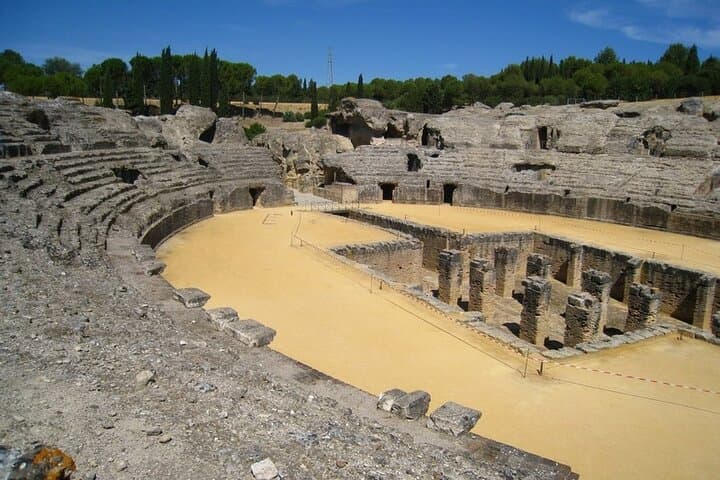
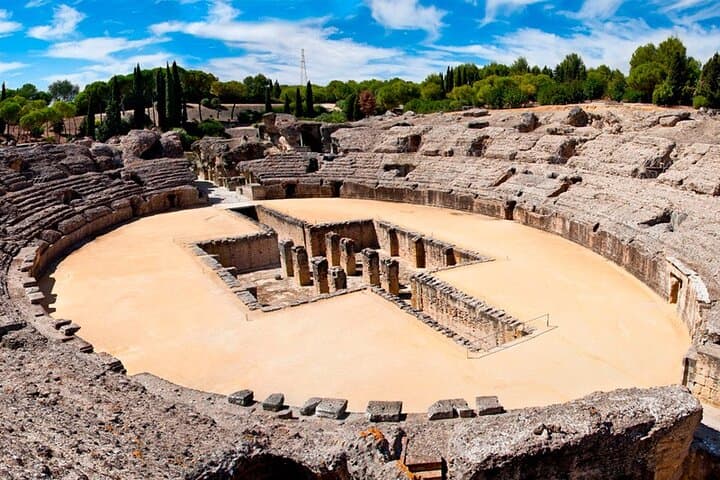
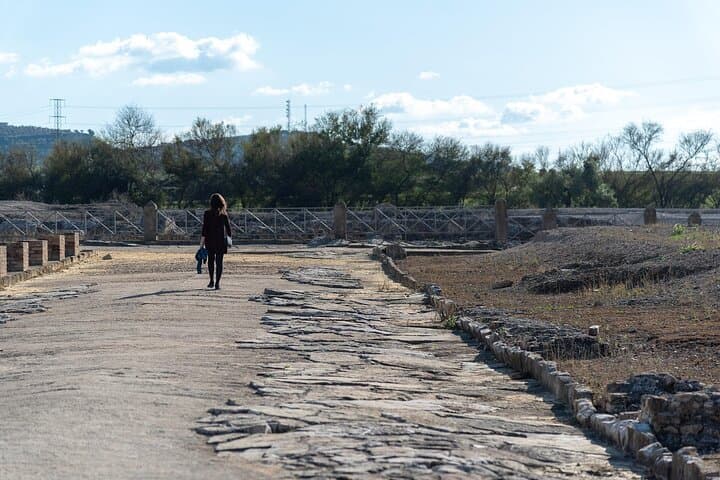
Arriving at Itálica, the amphitheatre looms not as a romantic relic but as a lived space — tiers of stone that once held 25,000 people, mosaics still glimpsing through time, streets that chart the grid of a Roman colony.
Verified experiences and guided adventures in the surrounding area.
Operated by Yannat.com · Santiponce, Andalusia
The day opens on a narrow Andalusian road as the vehicle slips away from Seville toward low olive groves and the flattened plains of the Guadalquivir.
Arriving at Itálica, the amphitheatre looms not as a romantic relic but as a lived space — tiers of stone that once held 25,000 people, mosaics still glimpsing through time, streets that chart the grid of a Roman colony.
Founded in 206 BCE for veterans of Scipio’s campaigns, Itálica was one of Hispania’s earliest Roman cities and the birthplace of emperors Trajan and Hadrian. The site’s geology is typical of the Guadalquivir basin: compacted alluvial soils that preserved Roman foundations and allowed large-scale urban planning. Local culture today sits in Santiponce, where small museums and tapas bars keep Andalusian rhythms alive between archaeological shifts.
On a guided two-hour walk you move from the amphitheatre’s worn seats into domus with geometric mosaics, imagining market stalls along the cardo. Guides point out building techniques, drainage channels, and how the site adapted to riverine floods and later agricultural reuse.
Practical guidance: wear sturdy shoes — paths are gravel and uneven — and plan visits in the morning or late afternoon to avoid midsummer heat. Bring water, sunscreen, and a light layer; the site has limited shade. The included private transfer from Seville saves transit time, so most of the three-hour booking is spent on-site with commentary and room to explore at a relaxed pace.
easy.
2–3 hours.
Light walking on uneven ground; suitable for most fitness levels with basic mobility.
Yes — the tour price includes entrance to the archaeological site, so you can skip ticket lines and spend the allotted two hours exploring with your guide.
This private tour includes hotel pickup and private transportation; independently, Itálica is reachable by local bus or a 20–30 minute drive northwest of central Seville.
Children are welcome and strollers can be used in parts of the site, but some areas have uneven surfaces and steps where a carrier is more practical.
Photography for personal use is allowed; basic restroom facilities are available near the parking and visitor areas but services are limited on-site.
Itálica was founded in 206 BCE for Roman veterans and later produced emperors Trajan and Hadrian; its urban plan reflects early Roman colonial design in Hispania.
Ongoing conservation focuses on stabilizing mosaics and structural remains while balancing visitor access; stick to paths to prevent erosion and respect fenced areas.
Yannat.com operates guided outdoor trips and adventures with an emphasis on safety, stewardship, and memorable experiences.

The day opens on a narrow Andalusian road as the vehicle slips away from Seville toward low olive groves and the flattened plains of the Guadalquivir.
Arriving at Itálica, the amphitheatre looms not as a romantic relic but as a lived space — tiers of stone that once held 25,000 people, mosaics still glimpsing through time, streets that chart the grid of a Roman colony.
Founded in 206 BCE for veterans of Scipio’s campaigns, Itálica was one of Hispania’s earliest Roman cities and the birthplace of emperors Trajan and Hadrian. The site’s geology is typical of the Guadalquivir basin: compacted alluvial soils that preserved Roman foundations and allowed large-scale urban planning. Local culture today sits in Santiponce, where small museums and tapas bars keep Andalusian rhythms alive between archaeological shifts.
On a guided two-hour walk you move from the amphitheatre’s worn seats into domus with geometric mosaics, imagining market stalls along the cardo. Guides point out building techniques, drainage channels, and how the site adapted to riverine floods and later agricultural reuse.
Practical guidance: wear sturdy shoes — paths are gravel and uneven — and plan visits in the morning or late afternoon to avoid midsummer heat. Bring water, sunscreen, and a light layer; the site has limited shade. The included private transfer from Seville saves transit time, so most of the three-hour booking is spent on-site with commentary and room to explore at a relaxed pace.