THE ADVENTURE COLLECTIVE® · Independent discovery and booking for outdoor travel

A private seven‑day tour that pairs world‑class surfing with organic cocoa farm visits in South Bahia. Expect surf lessons, reef snorkeling, coastal hikes and capoeira, all framed by warm water and the legacy of cocoa.
A private seven‑day tour that pairs world‑class surfing with organic cocoa farm visits in South Bahia. Expect surf lessons, reef snorkeling, coastal hikes and capoeira, all framed by warm water and the legacy of cocoa.
Salt wind and the rhythm of berimbau drums meet on the shore as you step from a cobbled street into the bright stretch of Itacaré's coastline. Coconut palms lean like old storytellers; waves push and shape the sand, daring you to move faster, to paddle out. Early mornings here are humid and fragrant with cocoa and seaweed; afternoons soften into long rides and warm water.
Verified experiences and guided adventures in the surrounding area.
Operated by Boutique Travel Experts · Itacaré, Bahia
Salt wind and the rhythm of berimbau drums meet on the shore as you step from a cobbled street into the bright stretch of Itacaré's coastline. Coconut palms lean like old storytellers; waves push and shape the sand, daring you to move faster, to paddle out. Early mornings here are humid and fragrant with cocoa and seaweed; afternoons soften into long rides and warm water.
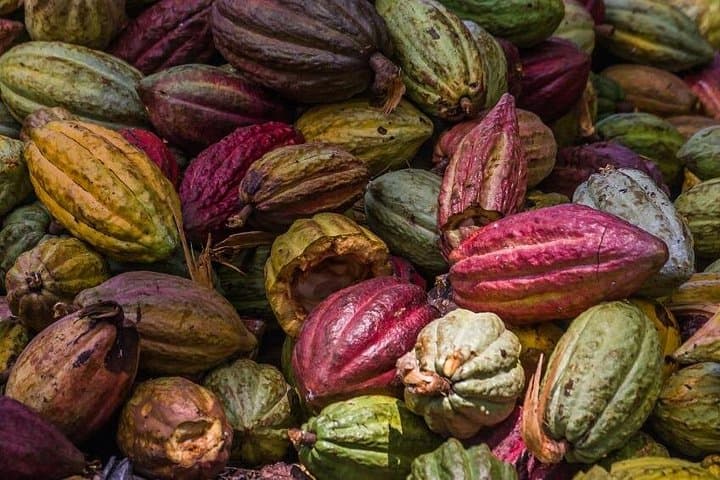
South Bahia’s coastline sits on narrow coastal plains backed by low, eroded hills of ancient metamorphic rock. Cocoa arrived in this region in the 18th century and reshaped its economy — Jorge Amado wrote about the boom and its human stories — and the working farms around Itacaré still produce organic chocolate visitors can taste and learn to craft. The region’s reefs create natural pools at Taipus de Fora and protect long rideable waves at Boca da Barra, while exposed points like Corais can throw long tubes on the right swell. Capoeira classes link you to an Afro-Brazilian martial-dance tradition that grew here under difficult circumstances and now pulses through local culture.
Practically: arrive at Ilhéus (about a 1‑hour transfer) and expect unpaved access to some beaches. Four Beaches trail is roughly a 5‑hour coastal walk with sandy sections and short rocky steps; bring reef shoes for low‑tide snorkeling and a lightweight rain layer for sudden tropical showers. Surf lessons are available for all levels; tide and swell determine which breaks are best. Carry cash for rural restaurants, use reef‑safe sunscreen, and respect farm biosecurity when visiting cocoa producers.
moderate.
7 days.
Suitable for travelers with basic fitness—able to walk sandy trails, swim and participate in surf lessons; light hiking and beach scrambling expected.
The road transfer is roughly 50–70 minutes depending on traffic and conditions; private transfers are typically coordinated with arrival times.
Lessons can be arranged during the tour and are suitable for beginners—your instructor will match conditions to skill level and pick an appropriate break.
May through September tends to bring stronger southern swells and more consistent surf at Pontal and other breaks, though surfable waves occur much of the year.
Yes—organic farms like Santa Tereza and Vila Rosa welcome visitors with guided tours and tastings; follow guides' instructions regarding paths and hygiene to protect crops.
Cocoa was introduced to Bahia in the mid‑18th century and drove a regional boom that shaped towns like Itacaré; author Jorge Amado captured this era in his novels.
Reef areas and organic farms are sensitive—use reef‑safe sunscreen, avoid touching corals, and follow local guidance to limit erosion and waste at small beaches.
Boutique Travel Experts operates guided outdoor trips and adventures with an emphasis on safety, stewardship, and memorable experiences.
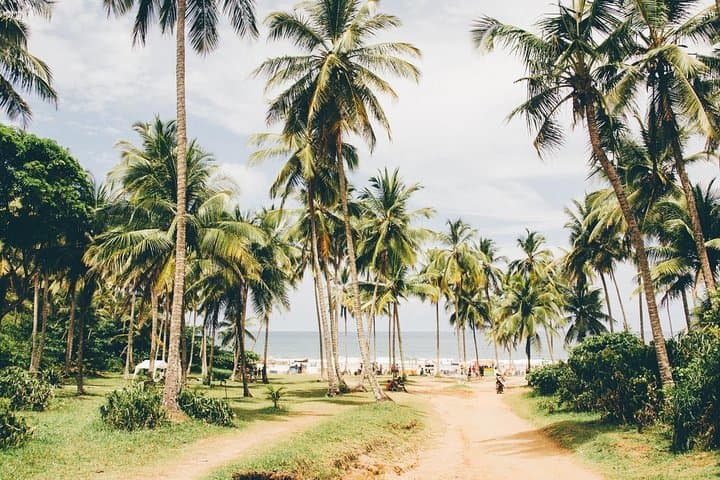
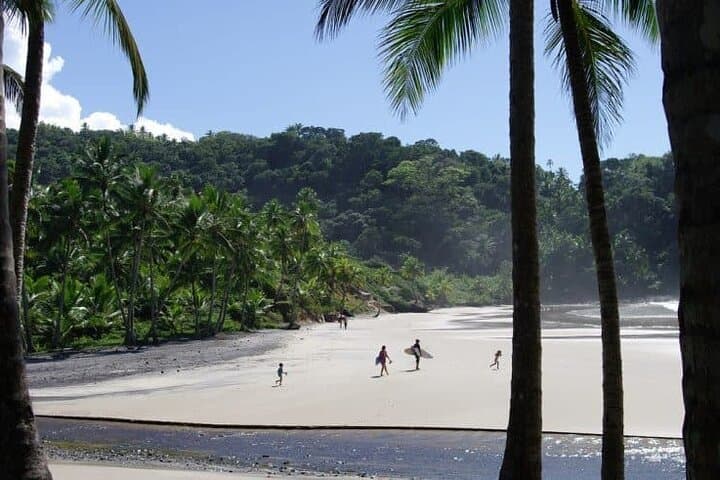
Salt wind and the rhythm of berimbau drums meet on the shore as you step from a cobbled street into the bright stretch of Itacaré's coastline. Coconut palms lean like old storytellers; waves push and shape the sand, daring you to move faster, to paddle out. Early mornings here are humid and fragrant with cocoa and seaweed; afternoons soften into long rides and warm water.
Salt wind and the rhythm of berimbau drums meet on the shore as you step from a cobbled street into the bright stretch of Itacaré's coastline. Coconut palms lean like old storytellers; waves push and shape the sand, daring you to move faster, to paddle out. Early mornings here are humid and fragrant with cocoa and seaweed; afternoons soften into long rides and warm water.
South Bahia’s coastline sits on narrow coastal plains backed by low, eroded hills of ancient metamorphic rock. Cocoa arrived in this region in the 18th century and reshaped its economy — Jorge Amado wrote about the boom and its human stories — and the working farms around Itacaré still produce organic chocolate visitors can taste and learn to craft. The region’s reefs create natural pools at Taipus de Fora and protect long rideable waves at Boca da Barra, while exposed points like Corais can throw long tubes on the right swell. Capoeira classes link you to an Afro-Brazilian martial-dance tradition that grew here under difficult circumstances and now pulses through local culture.
Practically: arrive at Ilhéus (about a 1‑hour transfer) and expect unpaved access to some beaches. Four Beaches trail is roughly a 5‑hour coastal walk with sandy sections and short rocky steps; bring reef shoes for low‑tide snorkeling and a lightweight rain layer for sudden tropical showers. Surf lessons are available for all levels; tide and swell determine which breaks are best. Carry cash for rural restaurants, use reef‑safe sunscreen, and respect farm biosecurity when visiting cocoa producers.