THE ADVENTURE COLLECTIVE® · Independent discovery and booking for outdoor travel

Walk vineyards and lavender at Tenuta Tre Terre while an enologist guides you through how Istrian grapes become wine, brandy and distinctive vinegar. Taste three fingerfoods paired with local wines and learn culinary tips for using artisanal vinegar at home.
Walk vineyards and lavender at Tenuta Tre Terre while an enologist guides you through how Istrian grapes become wine, brandy and distinctive vinegar. Taste three fingerfoods paired with local wines and learn culinary tips for using artisanal vinegar at home.
A warm breeze carries the scent of crushed grapes and lavender as you step onto the low terraces of Tenuta Tre Terre. Vine rows slope gently toward a horizon of olive trees; the estate’s vinegar barrels sit quietly like slow-moving storytellers. The guide—often an enologist—invites curiosity: how wine becomes vinegar, how acidity can brighten a dish, why local grapes give this region’s vinegars a distinct backbone.
Verified experiences and guided adventures in the surrounding area.
Operated by Wine in Nature · Rovinj, Istria County
A warm breeze carries the scent of crushed grapes and lavender as you step onto the low terraces of Tenuta Tre Terre. Vine rows slope gently toward a horizon of olive trees; the estate’s vinegar barrels sit quietly like slow-moving storytellers. The guide—often an enologist—invites curiosity: how wine becomes vinegar, how acidity can brighten a dish, why local grapes give this region’s vinegars a distinct backbone.
Istria’s wine culture stretches back to Roman times; terraces and small stone walls reflect centuries of hands shaping the land. Geologically, the peninsula’s karst limestone and patchy clay soils stress vines in a way that concentrates flavors. Culturally, food and drink are local rituals here: savory prosciutto, pungent cheeses and olive oil share table space with small-batch brandies and fermented vinegars.
On this 45–60 minute estate tour you’ll walk through lavender and vine, learn production steps from grape to barrel, and taste three fingerfoods prepared with estate vinegars paired with three Istrian wines. Expect clear explanations of health and culinary uses and practical tips for bringing these flavors home.
Practical notes: footwear should handle packed earth and short uneven steps; tours often accommodate small groups and run outdoors—bring sun protection. Aim for a morning or late-afternoon slot for cooler temps and softer light. If you want photos of rows and barrels, arrive early before the light flattens.
This is a short, sensory-driven experience: educational, accessible, and deeply tied to Istria’s agricultural rhythms.
easy.
45–60 minutes.
Light walking on flat to gently terraced ground; suitable for most fitness levels
The estate tour and tasting run about 45–60 minutes, including a short walk through vineyards and a tasting of three fingerfoods paired with wines.
This specific tasting does not allow minors—check booking details and contact the operator if bringing younger guests.
The walk is short but includes packed-earth paths and gentle steps; contact the provider ahead to discuss accessibility options.
You’ll taste three local Istrian wines, sample three fingerfoods made with the estate’s vinegars, and receive bottled water and interpretive commentary on vinegar production.
Istrian viticulture dates to Roman times; small family estates carried forward grape varieties and winemaking techniques adapted to the peninsula’s karst soils.
Many small Istrian estates practice low-intervention farming and limited-batch production—respect vineyard boundaries and follow tasting protocols to minimize impact.
Wine in Nature operates guided outdoor trips and adventures with an emphasis on safety, stewardship, and memorable experiences.
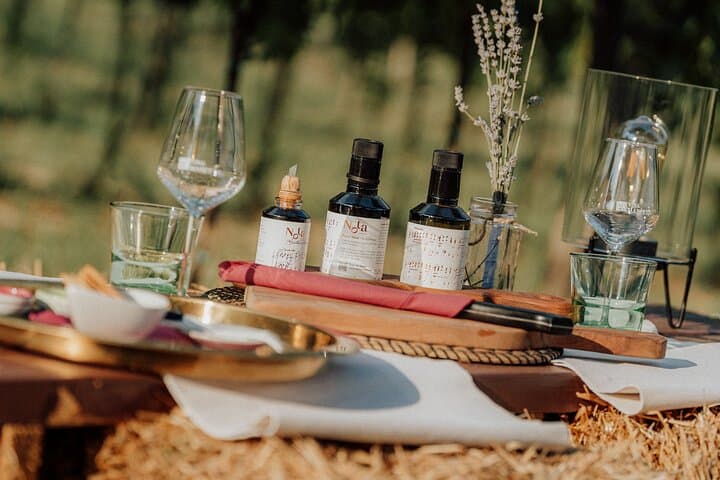
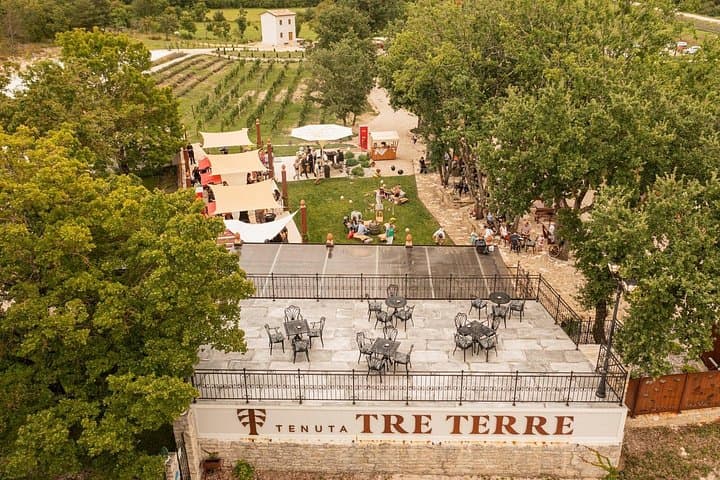
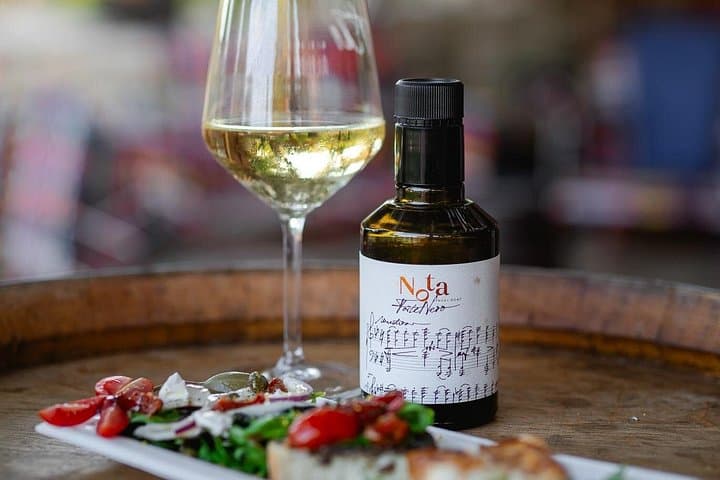
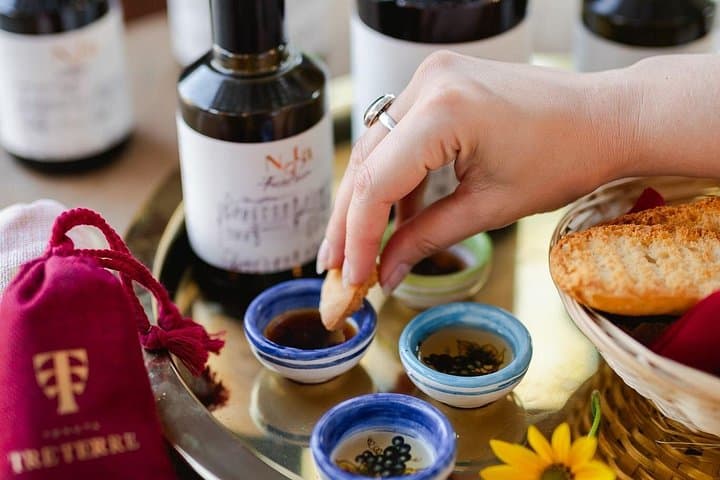
A warm breeze carries the scent of crushed grapes and lavender as you step onto the low terraces of Tenuta Tre Terre. Vine rows slope gently toward a horizon of olive trees; the estate’s vinegar barrels sit quietly like slow-moving storytellers. The guide—often an enologist—invites curiosity: how wine becomes vinegar, how acidity can brighten a dish, why local grapes give this region’s vinegars a distinct backbone.
A warm breeze carries the scent of crushed grapes and lavender as you step onto the low terraces of Tenuta Tre Terre. Vine rows slope gently toward a horizon of olive trees; the estate’s vinegar barrels sit quietly like slow-moving storytellers. The guide—often an enologist—invites curiosity: how wine becomes vinegar, how acidity can brighten a dish, why local grapes give this region’s vinegars a distinct backbone.
Istria’s wine culture stretches back to Roman times; terraces and small stone walls reflect centuries of hands shaping the land. Geologically, the peninsula’s karst limestone and patchy clay soils stress vines in a way that concentrates flavors. Culturally, food and drink are local rituals here: savory prosciutto, pungent cheeses and olive oil share table space with small-batch brandies and fermented vinegars.
On this 45–60 minute estate tour you’ll walk through lavender and vine, learn production steps from grape to barrel, and taste three fingerfoods prepared with estate vinegars paired with three Istrian wines. Expect clear explanations of health and culinary uses and practical tips for bringing these flavors home.
Practical notes: footwear should handle packed earth and short uneven steps; tours often accommodate small groups and run outdoors—bring sun protection. Aim for a morning or late-afternoon slot for cooler temps and softer light. If you want photos of rows and barrels, arrive early before the light flattens.
This is a short, sensory-driven experience: educational, accessible, and deeply tied to Istria’s agricultural rhythms.