THE ADVENTURE COLLECTIVE® · Independent discovery and booking for outdoor travel

Join a truffle hunter and trained dog in the oak forests of Slovenian Istria, then taste shaved truffle over fuži with a glass of Malvasia. This 2–3 hour, low-impact outing blends foraging skills, local history, and regional wine.
Join a truffle hunter and trained dog in the oak forests of Slovenian Istria, then taste shaved truffle over fuži with a glass of Malvasia. This 2–3 hour, low-impact outing blends foraging skills, local history, and regional wine.
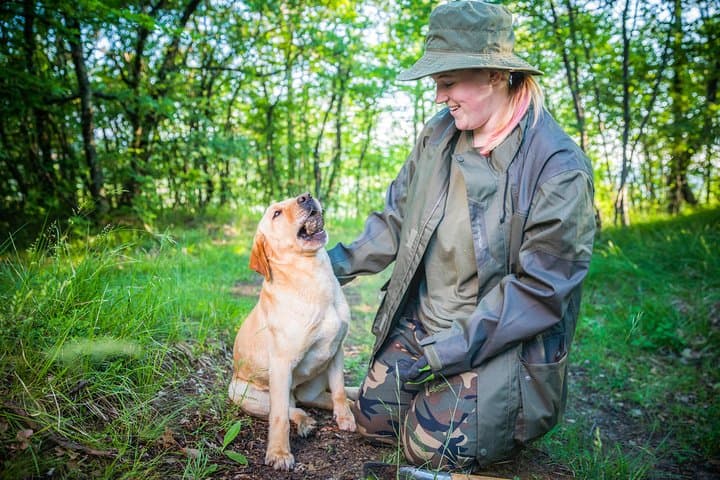
Dawn light filters through oak and hornbeam as a truffle-hunting dog noses along the leaf litter, urging you toward the hidden scent. In Slovenian Istria the forest feels quietly industrious: soil and roots holding centuries of nutrient memory, hills that have fed families for generations, and a coastal breeze not far off that keeps the air sharp.
Verified experiences and guided adventures in the surrounding area.
Operated by IstraTerra, experiences in Istria · Koper, Coastal–Karst
Dawn light filters through oak and hornbeam as a truffle-hunting dog noses along the leaf litter, urging you toward the hidden scent. In Slovenian Istria the forest feels quietly industrious: soil and roots holding centuries of nutrient memory, hills that have fed families for generations, and a coastal breeze not far off that keeps the air sharp.
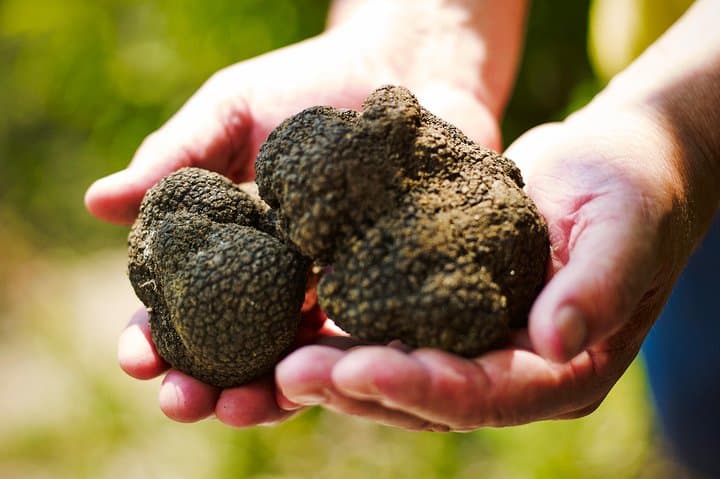
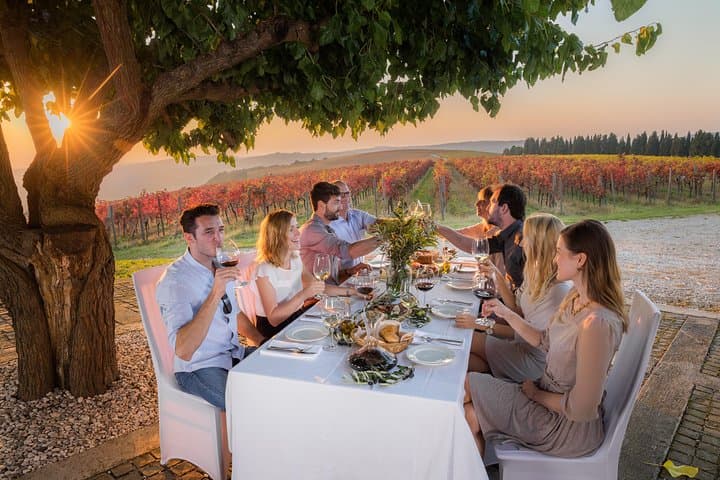
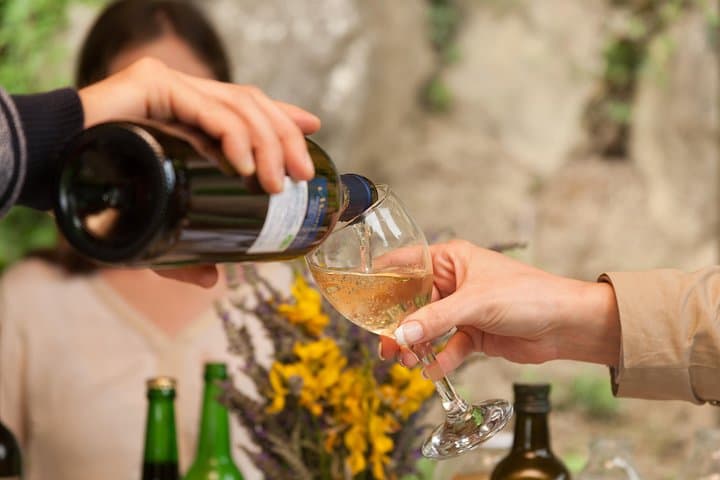
Truffle hunting here links geology and culture. The karst-influenced soils of the Coastal–Karst region produce pockets of black truffle where limestone gives way to humus; local hunters pair inherited knowledge with trained dogs rather than pigs to protect the mushroom-like fungi and surrounding understory. After the hunt you sit under a pergola, tasting fuži tossed with shaved truffle and sipping Malvasia—an Istrian white that brightens the truffle’s earthy weight.
This half-day experience is low-impact but sensory-rich. Expect 1–3 km of easy walking over forest trails and vineyard edges, with minimal elevation gain (typically under 150 m). The dog does the heavy lifting; guests learn identification, seasonality, and safe harvesting etiquette, then enjoy a guided tasting and local wine.
Practical notes: wear closed-toe shoes and quiet colors so you don’t distract the dog, tell organizers of food allergies in advance, and plan this activity in autumn–winter for the best chance of black truffles. Bring a camera, a light jacket for coastal breezes, and respect the landscape—truffle grounds recover slowly if overharvested. The trip is as much about learning where food comes from as it is about the meal at the end.
easy.
2–3 hours.
Suitable for most fitness levels; participants should be able to walk short distances on uneven ground.
The field component typically lasts 60–90 minutes within a 2–3 hour program that includes demonstration and tasting.
Children can join; vendors often allow kids but policies may vary—under-7s may have restrictions for the tasting portion.
Service animals are permitted but pets should be kept away from the working truffle dog to avoid interference.
Finds are common in season (autumn–winter) but depend on weather and nature’s variability; hosts adjust activities if conditions are poor.
Istria’s hinterland reflects centuries of mixed Mediterranean and Central European influence; local foodways and wine have deep roots in small family farms.
Truffle grounds are sensitive; sustainable harvesting practices and dog-led hunts minimize damage. Visitors are asked to follow local guidance and avoid digging outside supervised areas.
IstraTerra, experiences in Istria operates guided outdoor trips and adventures with an emphasis on safety, stewardship, and memorable experiences.
Dawn light filters through oak and hornbeam as a truffle-hunting dog noses along the leaf litter, urging you toward the hidden scent. In Slovenian Istria the forest feels quietly industrious: soil and roots holding centuries of nutrient memory, hills that have fed families for generations, and a coastal breeze not far off that keeps the air sharp.
Dawn light filters through oak and hornbeam as a truffle-hunting dog noses along the leaf litter, urging you toward the hidden scent. In Slovenian Istria the forest feels quietly industrious: soil and roots holding centuries of nutrient memory, hills that have fed families for generations, and a coastal breeze not far off that keeps the air sharp.
Truffle hunting here links geology and culture. The karst-influenced soils of the Coastal–Karst region produce pockets of black truffle where limestone gives way to humus; local hunters pair inherited knowledge with trained dogs rather than pigs to protect the mushroom-like fungi and surrounding understory. After the hunt you sit under a pergola, tasting fuži tossed with shaved truffle and sipping Malvasia—an Istrian white that brightens the truffle’s earthy weight.
This half-day experience is low-impact but sensory-rich. Expect 1–3 km of easy walking over forest trails and vineyard edges, with minimal elevation gain (typically under 150 m). The dog does the heavy lifting; guests learn identification, seasonality, and safe harvesting etiquette, then enjoy a guided tasting and local wine.
Practical notes: wear closed-toe shoes and quiet colors so you don’t distract the dog, tell organizers of food allergies in advance, and plan this activity in autumn–winter for the best chance of black truffles. Bring a camera, a light jacket for coastal breezes, and respect the landscape—truffle grounds recover slowly if overharvested. The trip is as much about learning where food comes from as it is about the meal at the end.